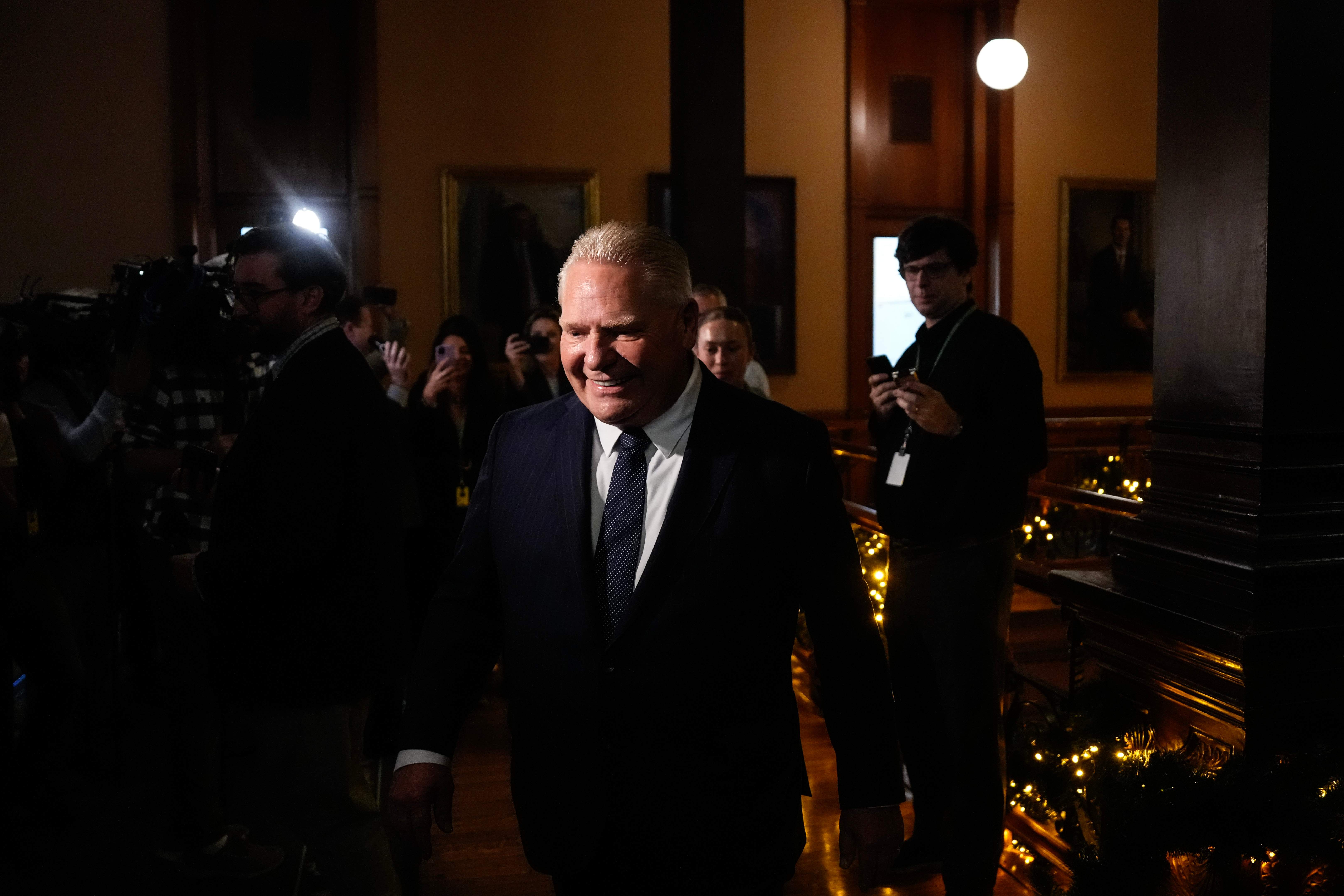
Elon Musk owns a piece of Hollywood's newest studio giant. Skydance Chairman and CEO David Ellison confirmed it publicly at the New York Times DealBook Summit on November 18, 2026.
Most headlines framed the news like a hostile takeover in slow motion. People immediately started arguing online about whether Musk would rewrite Star Trek, overhaul DC Comics, or turn CNN into an extension of his X feed.
They're looking at the wrong numbers.
Why Elon Musk Invested in Skydance After the Merger
Here's what actually happened. On October 6, 2026, Paramount Skydance closed its roughly $111 billion acquisition of Warner Bros. Discovery, renaming the combined conglomerate Skydance Corporation. Overnight, Hollywood's legacy studios shrank to four.
Two weeks later, on October 22, Semafor and CNBC reported that Musk had injected roughly $1 billion into the newly merged company as part of a broader post-merger equity raise. For nearly a month, neither Musk nor the studio said a word on the record.
Then Andrew Ross Sorkin pressed David Ellison on stage at DealBook. Ellison didn't dodge. "He doesn't invest in a lot of companies," Ellison said. "So to have his vote of confidence, and to have him as a shareholder, is an honor and a privilege."
Notice what Ellison didn't confirm. He never verified the $1 billion price tag on stage, though financial outlets including CNBC, Semafor, and Variety have stuck to that approximate figure.
If you've tracked media mergers over the past decade, you know why Ellison wanted that public endorsement so badly. Post-merger Wall Street sentiment is brutal. Skydance isn't just integrating two massive film lots—it's carrying roughly $80 billion in net debt. Interest expenses alone are projected to top $6 billion next year. Having the world's richest person park capital in your stock sends a signal to nervous institutional investors, even when the check itself doesn't solve the balance sheet.
The Math Behind Musk's Stake Nobody Checks
Let's put that reported $1 billion investment next to Skydance's actual capital structure. When you do the math, the panic over creative control falls apart fast.
- Total deal value: Roughly $111 billion for the Paramount–Warner Bros. Discovery combination.
- Net debt burden: Around $80 billion sitting on the combined balance sheet.
- Annual savings target: At least $6 billion in run-rate cost cuts promised by 2029.
- Larry Ellison's backing: David's father guaranteed more than $40 billion in equity financing to push the acquisition across the finish line.
Against $80 billion in net debt, a $1 billion equity check equals roughly 1.25% of the debt load. Compared to Larry Ellison's $40 billion equity commitment, it's under 2.5%. Even measured against the $6 billion in annual cost synergies management is scrambling to find, Musk's cash covers about one-sixth of a single year's target.
Voting power tells an even clearer story. Skydance operates on a dual-class stock structure. According to company filings and Variety, the Ellison family and RedBird Capital Partners hold 100% of the Class A voting shares through Harbor Lights Entertainment. Every outside backer—including Musk, board member Laurene Powell Jobs, and the sovereign wealth funds of Saudi Arabia, Qatar, and Abu Dhabi—owns non-voting equity.
Zero voting control. Not a single board seat announced.
Will Elon Musk Influence CNN, CBS, or HBO Max?
That brings us to the question every media reporter and film fan keeps asking. Does owning shares in Skydance give Musk leverage over editorial coverage at CBS News and CNN, or creative slates at Warner Bros. and Paramount?
On paper, no. In practice, billionaires rarely need voting shares to make executives listen, which is why skepticism is fair. You shouldn't blindly take any media CEO's word at face value when a major investor happens to control a rival social platform and hundreds of billions in personal wealth.
Still, Ellison put himself on the hook publicly at DealBook with two concrete commitments.
First, he addressed Alex Gibney's Musk, a four-hour documentary that premiered at the Venice International Film Festival and scrutinizes Musk's wealth, corporate practices, and political influence. Musk has attacked the film publicly. Skydance inherited a distribution deal with A24 to stream it on HBO Max in the first quarter of 2027. When Sorkin asked if the studio would bury it to appease its new shareholder, Ellison flatly refused. "We believe in independence," he said. "We don't believe in censorship of any kind. And again, we have that deal with A24. Of course we'll honor it."
Second, Ellison reiterated that CBS News and CNN are continuing to operate separately. Remember, Skydance already signed a September 2026 settlement with a coalition of 12 state attorneys general—including California and New York—that legally requires editorial independence at both newsrooms, alongside a mandate to release at least 30 theatrical films and over 180 TV shows per year. While Ellison acknowledged that CBS and CNN might explore some news-sharing down the road, gutting editorial independence would trigger immediate regulatory blowback and a consumer antitrust lawsuit that's already been refiled.
Honestly, the real test won't be a memo from Musk. It'll be watching whether HBO Max actually promotes Musk when it drops in early 2027, or quietly buries it in the algorithm without spending a dime on marketing.
What About a SpaceX or Starlink Partnership?
If Musk didn't buy voting control, why write a ten-figure check?
Look at distribution and personal ties. Musk and Larry Ellison have been close friends and co-investors for years—Larry famously put $1 billion into Musk's 2022 Twitter buyout. Backing David's studio empire is partly a billionaire favor among allies.
There's also an obvious commercial angle. Skydance is currently merging Paramount+ and HBO Max onto a single tech stack within the next year while folding together 50-plus cable networks into four divisions. Meanwhile, SpaceX reported third-quarter sales that more than doubled year-over-year, driven by Starlink's global satellite broadband network.
Bundling a combined Paramount+/HBO Max streaming tier with Starlink internet subscriptions—or streaming live CBS Sports and TNT Sports directly to planes, ships, and rural terminals—makes total strategic sense. David Ellison left the door wide open at DealBook, saying Skydance would be "thrilled" to collaborate if the right opportunity comes up, while confirming nothing is signed right now.
What Investors and Industry Watchers Should Track
If you're following Skydance stock (SKYD) or tracking how Hollywood's latest megamerger plays out, ignore the culture-war noise around Musk's shareholder status. Focus on three operational metrics that actually determine whether this company survives its debt load:
- Debt paydown velocity: Skydance just repaid and terminated a $4.0 billion Warner receivables securitization facility ahead of schedule in late November 2026. Watch quarterly filings to see whether management chips away at the $80 billion net debt pile using real free cash flow rather than accounting shuffles.
- The $6 billion synergy execution: Merging Warner Bros. Television Group and Paramount Television Studios under Channing Dungey and Matt Thunell is step one. Combining Paramount+ and HBO Max without triggering massive subscriber churn is the real high-wire act.
- Q1 2027 programming and distribution: Keep an eye on HBO Max's release of Alex Gibney's Musk documentary in early 2027, and watch SEC filings for any formal commercial agreements between Skydance and SpaceX. Until a distribution deal hits an 8-K filing, Elon Musk's stake in Skydance is just a headline-grabbing minority bet on a heavily leveraged studio turnaround.