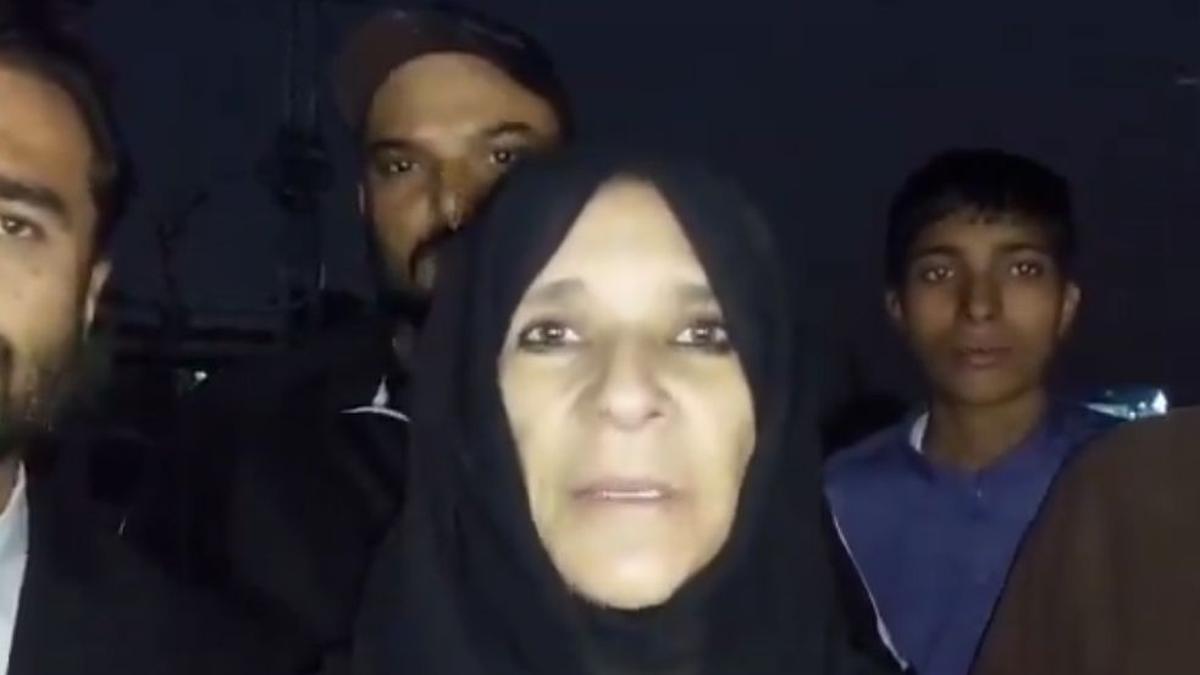
Rumours spread fast when governments lock down information. For weeks, frantic speculation about former Pakistani Prime Minister Imran Khan's safety flooded social media. Supporters panicked. Family members were barred from entry. Silence from Adiala Jail authorities only fueled the worst-case scenarios, prompting his son Kasim Khan to publicly demand tangible proof of life.
Then came the breakthrough.
Dr. Uzma Khanum, one of Imran Khan's sisters, finally secured permission for a brief, twenty-minute visit inside the high-security Rawalpindi facility. Her update shattered the darkest theories while exposing a grim reality. Imran Khan is alive, but his conditions behind bars are far darker than official statements admit.
Solitary Confinement and the War of Information
The primary misconception floating through political circles was that the seventy-three-year-old former cricket star had suffered physical harm or worse. Uzma Khan quickly dismissed those specific rumours after her face-to-face encounter. Physically, his health appears stable. Mentally and environmentally, however, the narrative changes entirely.
Locked away in solitary confinement for the majority of the day, Khan faces severe restrictions. He is allowed only minimal time outside his cell and remains cut off from standard communication channels. His legal team and relatives have repeatedly argued that this calculated isolation is designed to break his political spirit rather than manage a secure inmate.
Solitary confinement is a psychological weapon. When authorities restrict human contact entirely, isolation acts as a form of slow psychological strain.
The Political Pressure Cooker Outside Adiala Jail
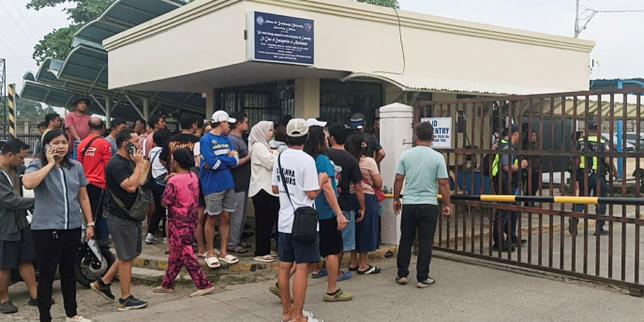
The government of Prime Minister Shehbaz Sharif didn't allow this visit out of sheer goodwill. Islamabad and Rawalpindi turned into armed fortresses ahead of the meeting. Officials deployed heavy police contingents, erected extra checkpoints, and slapped strict bans on public gatherings under Section 144.
Why? Because the Pakistan Tehreek-e-Insaf (PTI) party threatened mass demonstrations. When families are denied access to incarcerated political leaders for over a month, public distrust spikes. Lawyers demonstrated outside the Islamabad High Court, and grassroots supporters pushed past police lines to demand transparency.
The state's heavy-handed response shows a deep anxiety. Keeping a popular leader locked away under an information blackout creates a martyr complex that no amount of riot gear can easily suppress.
Direct Blame and Military Friction
During her brief window inside the prison, Khan didn't mince words about who he holds responsible for his ongoing detention. He directly pointed the finger at Pakistan Army Chief General Asim Munir.
The friction between Khan's populist movement and the military establishment remains the core driver of Pakistan's current instability. Ever since his ouster through a vote of no confidence and subsequent imprisonment starting in August 2023 across various corruption and state-gift cases, Khan has maintained that his legal battles are politically motivated proxy fights orchestrated by the military brass.
His sisters have warned repeatedly that any permanent harm coming to him will permanently fracture an already fragile political landscape.
Transparency remains the ultimate antidote to panic. Until regular, unimpeded family visits and legal consultations are restored, every rumour of mistreatment will continue to mobilize thousands on the streets.
Uzma Khan meets Imran Khan in Adiala jail
This video provides on-the-ground coverage and analysis regarding Imran Khan's condition inside Adiala Jail following his sister's visit.
http://googleusercontent.com/youtube_content/1