Geopolitics rarely operates with clean lines, and the autumn 2026 political cycle brought a jarring collision between American economic pressure and global energy flows. When reports surfaced that the Trump administration temporarily eased sanctions to facilitate Russian diesel exports, the move triggered immediate shockwaves from Washington to European capitals. Critics screamed about financial lifelines thrown to Moscow, while defenders pointed squarely at soaring domestic fuel costs.
Strip away the political posturing, and you find a complex web of market pressures, wartime friction between Washington and Kyiv, and hard economic realities that defy easy soundbites.
The Roots of the Dispute
To understand why a diesel agreement became the epicenter of a major foreign policy storm, you have to look at the domestic pressure cooker in the United States. Weekly U.S. diesel prices spiked dramatically over the course of 2026, climbing from $3.48 per gallon in early January to a punishing peak of $6.53 by late September. Agriculture, trucking, and manufacturing industries bore the brunt of these costs, turning energy prices into a toxic political liability ahead of the November midterm elections.
The administration faced a stark dilemma. On one hand, Washington had spent years enforcing rigid embargoes on Russian energy following the 2022 invasion of Ukraine, passing sweeping bipartisan legislation like the Lindsey O. Graham Sanctioning Russia and Iran Act. On the other hand, global refining bottlenecks and concurrent conflicts in the Middle East kept oil and fuel markets severely restricted.
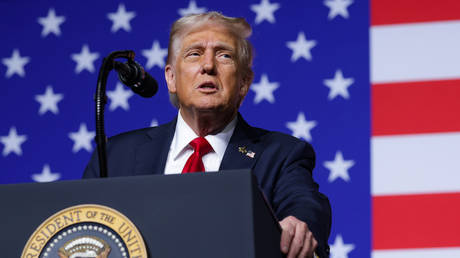
President Donald Trump announced an arrangement following discussions with Russian leadership, arguing that increasing global diesel supplies was necessary to bring down skyrocketing costs for American consumers and businesses. To make it happen, the U.S. Treasury Department's Office of Foreign Assets Control issued a six-month temporary license exempting specific Russian diesel transactions from existing sanctions through April 2027.
Why Allies and Lawmakers Pushed Back
The backlash was swift and fierce. Lawmakers from both sides of the aisle questioned how an administration could sign strict anti-Russia enforcement measures into law on one day and issue carve-outs for Moscow's fuel exports the next.
European leaders voiced profound frustration. For years, Washington had aggressively lectured European nations on the moral and strategic hazards of relying on Russian hydrocarbons. Easing restrictions to tap into those exact same markets—without prior consultation with traditional allies—sent an erratic signal about Western economic solidarity.
Meanwhile, Ukrainian officials viewed the arrangement as a direct betrayal while their infrastructure was being hammered daily. The timing coincided with intense friction behind closed doors regarding Kyiv's drone campaign against Russian oil refineries. American officials grew irritated that Ukrainian strikes on domestic Russian refining capacity were disrupting global fuel stability, leading to intense pressure on President Volodymyr Zelenskyy to halt those operations.
The Logistics Breakdown and Market Reality
Despite the high-stakes political maneuvering, the practical impact of the deal quickly ran into severe logistical and legal hurdles. Greenpeace and maritime tracking data identified several tankers carrying hundreds of thousands of tonnes of Russian diesel heading toward Western waters. However, uncertainty gripped the shipping sector immediately.
State-level officials and legal challengers—including New Jersey leadership—warned port operators and terminal managers that handling sanctioned Russian fuel could expose them to aggressive civil and criminal penalties under existing federal statutes that the temporary Treasury license failed to override. Consequently, several targeted tankers altered their courses, highlighting a glaring disconnect between executive branch waivers and the stubborn reality of maritime compliance and local enforcement.
Energy analysts noted from the outset that the actual price relief for American drivers was likely to be minimal. Global diesel markets are vast and heavily influenced by broader geopolitical shocks, meaning a handful of redirected shipments would struggle to move the needle at your local pump.
What This Means Moving Forward
The controversy surrounding the diesel arrangement exposes the deep vulnerabilities baked into global supply chains when superpowers attempt to balance wartime deterrence with domestic economic survival. It proved that when everyday living costs bite hard enough, political consistency often gets thrown out the window.
As legal challenges mount and international trust frays, the episode serves as a sobering reminder that energy independence and foreign policy alignment cannot be solved with temporary waivers. The underlying tensions between immediate consumer relief and long-term geopolitical strategy are not going away anytime soon.