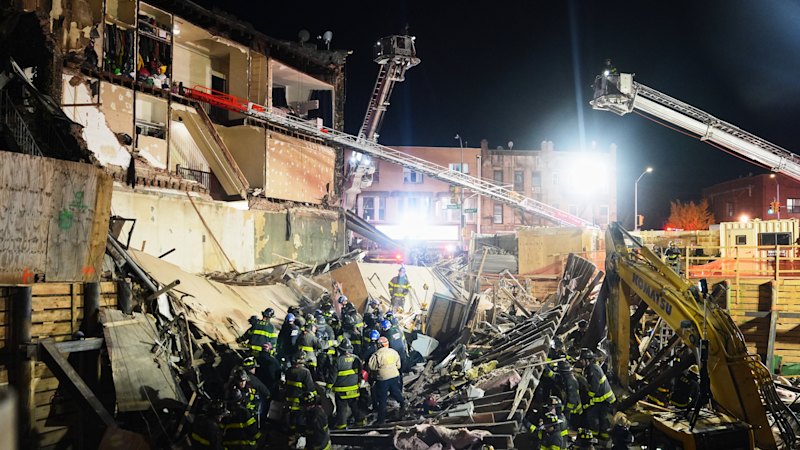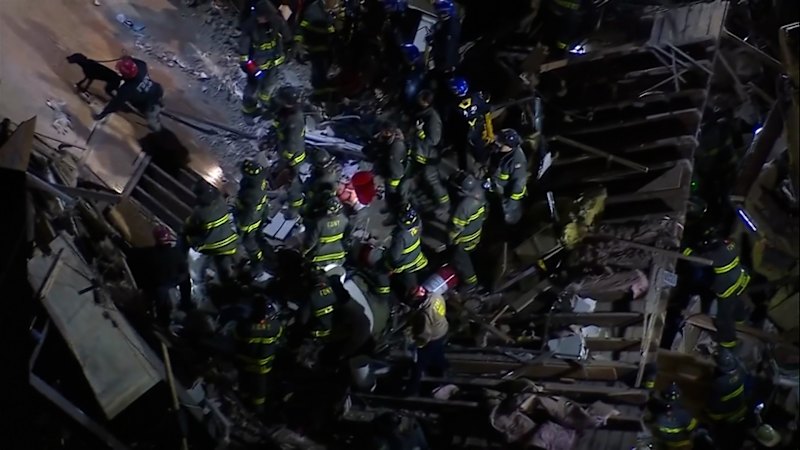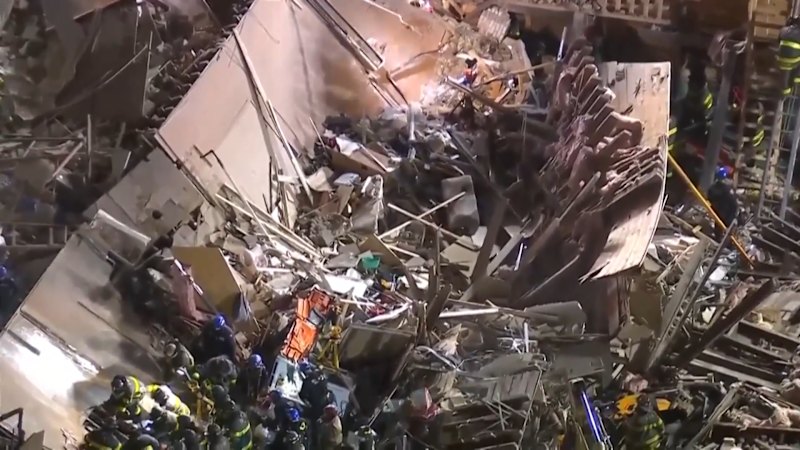
Structural failures don't just happen out of nowhere. When a New York building collapse leaves one dead and ten people injured, the headlines focus on the immediate chaos—dust clouds, sirens, and frantic rescue crews digging through concrete. Yet the real story almost always sits buried in decades of deferred maintenance, overlooked municipal violations, and aging urban infrastructure.
I've spent years analyzing urban construction failures and municipal safety records across the Northeast. Every time a wall gives way in Manhattan, the Bronx, or Brooklyn, the public reacts with shock. They shouldn't. New York City contains more than a million buildings, and tens of thousands of them were built before modern load-bearing codes even existed.
Why New York Buildings Fail Without Warning
Most people assume buildings collapse because of a sudden catastrophic event like an explosion or an extreme weather strike. That's rarely the case. In dense urban environments, gravity wins slowly before it wins all at once.
Water infiltration is the silent killer of brick-and-mortar structures. Freeze-thaw cycles force moisture deep into masonry joints, expanding and cracking the mortar from the inside out. Over twenty or thirty winters, a load-bearing wall loses its structural integrity while looking completely fine from the sidewalk.
Renovation work often triggers the final failure. Contractors frequently remove interior partition walls without realizing those walls have settled into load-bearing roles over decades of structural shift. One misplaced sledgehammer blow or an overloaded storage floor above can bring tons of brick crashing down in seconds.
The Hidden Danger of Overloaded Floors
Commercial spaces, garages, and older mixed-use properties face unique weight stresses. Consider the April 2023 collapse of a four-story parking garage on Ann Street in Lower Manhattan, which killed one worker and injured five others. Investigators immediately pointed to the sheer weight of modern vehicles—especially heavy electric vehicles and SUVs—parked on a deck built in 1925.
When a New York building collapse leaves one dead and ten people injured, investigators look straight at live-load calculations. Floors designed a century ago for light dry goods or residential furniture simply can't handle dense industrial equipment, heavy inventory, or unpermitted structural additions.
What Happens During the First Hour of an Urban Collapse
Search and rescue in a collapsed New York structure looks nothing like what you see in disaster movies. You can't just bring in heavy excavators and start lifting slabs. Shifting a single steel beam by two inches can trigger a secondary pancake collapse that crushes survivors trapped in void spaces underneath.
The FDNY Special Operations Command relies on a strict sequence when responding to structural failures. First, structural engineers stabilize unstable facades using heavy timber shoring before rescuers even enter the hot zone. Next, search teams deploy acoustic listening devices, fiber-optic cameras, and canine units to pinpoint faint sounds beneath the rubble.
Dust inhalation poses an immediate, lethal threat to both victims and first responders. Older New York buildings contain pulverized plaster, silica, lead paint, and asbestos. A collapse turns a city block into a toxic cloud within three seconds, forcing crews to work in heavy respiratory gear while battling extreme heat and zero visibility.
Reading the Warning Signs Before a Disaster
If you live, work, or walk near older construction in New York City, you don't have to guess whether a building is struggling. Structures telegraph their distress months—sometimes years—before a catastrophic failure.
Watch out for these specific red flags on any residential or commercial property:
- Diagonal stair-step cracks in exterior brick. Vertical cracks happen from normal settling, but jagged diagonal fractures running along mortar lines signal active structural movement.
- Doors and windows that suddenly jam. When a building frame shifts out of square, doorframes warp first. If three doors on the same floor suddenly stop latching in the same month, the floor joists are sagging.
- Bowing or bulging facade walls. Stand at the corner of a building and look straight up the brickwork. If the wall curves outward like a belly, the metal ties holding the outer brick veneer to the inner structural wall have rusted away.
- Crumbling concrete with exposed, rusted rebar. Steel expands up to six times its original volume when it corrodes, popping chunks of concrete right off ceilings and support columns.
How to Check Any NYC Building's Safety Record Yourself
You don't need an engineering degree to check if your apartment building, office, or local gym has active structural violations. New York City maintains one of the most transparent—and sobering—public building databases in the country.
Go directly to the NYC Department of Buildings (DOB) Building Information System and type in the street address. Look specifically for Class 1 (Immediately Hazardous) violations and open Environmental Control Board (ECB) infractions. Pay close attention to complaints mentioning "facade," "structural stability," "illegal conversion," or "work without a permit."
If you spot a severe structural hazard in your building or on your block, call 311 immediately and report a structural stability emergency. The DOB dispatches emergency response inspectors within hours for active structural threats, and they have the legal authority to issue an immediate Vacate Order if a wall or floor is at risk of failing.
The Reality of Municipal Inspections and Enforcement
Critics often blame city inspectors when a building gives way, but the math works against enforcement. The NYC Department of Buildings oversees roughly 1.1 million structures with a limited roster of field inspectors. Under Local Law 11 (now known as the Facade Inspection & Safety Program), buildings taller than six stories must undergo exterior inspections every five years.
That leaves a massive blind spot. Low-rise buildings—four- and five-story walk-ups, commercial storefronts, and aging industrial warehouses—fall outside those strict five-year facade mandates. Many of these properties haven't had a comprehensive structural review since the mid-twentieth century.
Property owners frequently treat DOB fines as a basic cost of doing business rather than an urgent call to repair crumbling masonry. Until criminal liability and aggressive property liens become standard practice for ignored structural violations, tenants and pedestrians remain exposed to preventable tragedies.
Check the DOB record for the building you're sitting in right now, walk the perimeter to inspect the lower masonry for fresh cracks, and report any unpermitted interior demolition to 311 the moment you hear jackhammers running without a posted city permit.