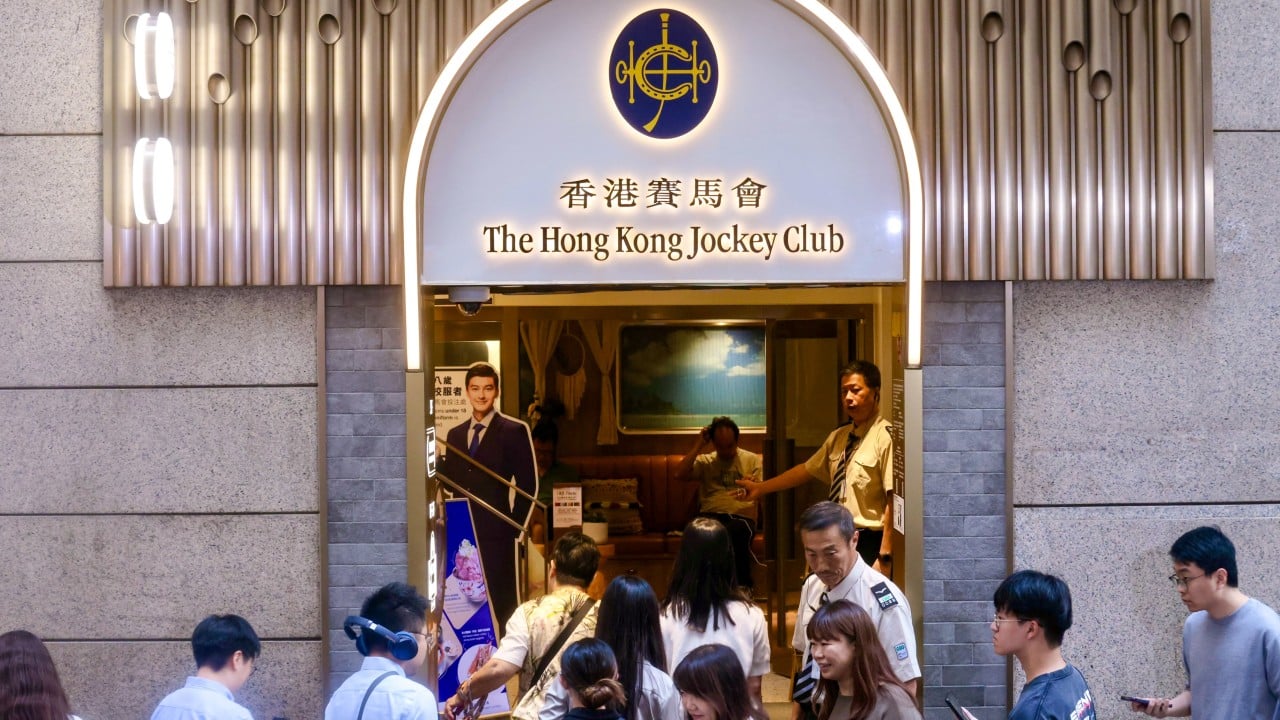
Everyone in Hong Kong suddenly becomes a mathematician the second a Mark Six snowball climbs toward HK$80 million. Lines snake out the door of the Stanley Street betting branch in Central, office pools sprout up over dim sum, and group chats fill up with people swearing by "hot" tail digits.
Yet most players walk up to the counter—or tap through the Classic 3-in-1 app—without understanding how the money actually gets built, why the odds don't care about past draws, or how ticket structure changes what happens when you hit five numbers. If you're putting HK$10 or HK$100 down on a mega snowball draw, you deserve to know how the machine really works.
How a Mark Six Snowball Reaches HK$80 Million
A regular Mark Six draw guarantees a minimum First Division Prize Fund of HK$8 million. That number doesn't magically jump tenfold on its own.
Every single regular draw skims a quiet deduction—9% of the Prize Fund after lower-division payouts are accounted for—and funnels it into a dedicated Snowball Pool. The Hong Kong Jockey Club holds those funds in reserve until scheduled festive events like Lunar New Year, Easter, Mid-Autumn Festival, or Halloween, or special Tuesday and anniversary draws. When the Jockey Club injects roughly HK$60 million from that reserve into a single draw and combines it with normal ticket turnover, the estimated First Division payout for a single HK$10 winning unit hits HK$80 million.
In late 2026, the Jockey Club added a crowd-driven twist to celebrate Mark Six's 50th anniversary. Under its "Hype Up. Jackpot Up." pilot initiative, the top-up amount wasn't fixed in advance. Instead, it scaled based on cumulative ticket turnover recorded at 2:00 pm the day before the draw:
- Below HK$60 million in turnover: The snowball top-up sits at HK$50 million, putting the estimated jackpot at HK$68 million.
- HK$60 million to just under HK$70 million: The snowball climbs to HK$55 million for a projected HK$73 million top prize.
- HK$70 million or higher: The full HK$60 million snowball unlocks, pushing the estimated First Division prize to HK$80 million.
Notice what else happens when a major snowball draw is announced. The Jockey Club routinely cancels the preceding regular draw—skipping a Thursday or Saturday slot—just to give punters extra days to buy tickets and build up that pool. More buying time means higher turnover, which directly feeds the final payout.
Where Every HK$10 Ticket Actually Goes
Before you start mentally spending HK$80 million on a flat in Mid-Levels, look at the math behind your ticket. Mark Six isn't a zero-sum pool where players split every dollar collected.
Under Hong Kong's Betting Duty Ordinance, only 54% of total ticket sales enters the Prize Fund. The remaining 46% is split three ways before a single ball drops:
- 25% goes straight to the Hong Kong government as Lottery Duty.
- 15% flows into the Lotteries Fund, which finances social welfare capital projects across the city.
- 6% goes to HKJC Lotteries Limited as operating commission.
That 54% Prize Fund then pays out fixed prizes first. Match three drawn numbers and you get HK$40. Three numbers plus the extra number pays HK$320. Four numbers gets you HK$640, and four plus the extra number lands HK$9,600.
Only after those fixed lower tiers and the snowball deduction are subtracted does the remaining pool split among the top three divisions. First Division winners share 45% of that remaining pool (plus any injected snowball reserve), Second Division winners (five numbers plus the extra number) share 15%, and Third Division winners (five numbers) share 40%.
If nobody matches all six drawn numbers, that First Division portion doesn't disappear. It rolls straight into the next draw as a fresh jackpot. That's how an HK$80 million snowball that goes unclaimed can easily surge past HK$100 million a few days later.
The Gambler's Fallacy and "Lucky" Snowball Numbers
Every time a big draw approaches, local media and Jockey Club promotional pages publish lists of "lucky numbers". For instance, historical data from past Halloween Snowball draws showed numbers 4, 22, and 29 appearing four times each, while 50th-anniversary tracking highlighted number 19 popping up five times across a ten-draw snowball streak.
Here is the honest truth. Those numbers aren't luckier than 1, 13, or 48.
A Mark Six drawing machine holds 49 physical balls. Before every broadcast on TVB Plus, independent representatives inspect the machine, verify the ball count, and select a ball box at random. The balls have no memory. They don't know it's a snowball draw, and they don't care that 19 came out last Tuesday.
Every single combination of six numbers out of 49 carries the exact same mathematical probability: 1 in 13,983,816. Your overall odds of winning any prize at all—down to the HK$40 seventh-tier payout—stand at roughly 1 in 54.
Why Number Selection Still Matters for Your Payout
While picking "hot" numbers won't improve your odds of winning, avoiding popular human patterns can dramatically protect your payout if you actually hit.
Think about how most casual players fill out a ticket. They use birthdays (numbers 1 through 31), anniversaries, lucky Cantonese homophones like 8 and 18, or clean geometric lines down the play slip. If a combination made entirely of numbers under 31 hits during an HK$80 million draw, you won't be celebrating alone. You could easily end up splitting that HK$80 million ten or twenty ways, turning a generational windfall into a much smaller check.
Numbers above 31—from 32 to 49—get picked noticeably less often by people relying on calendar dates. Choosing higher numbers or using a genuine Quick Pick doesn't change the 1-in-13.98-million odds of winning, yet it meaningfully reduces the chance of sharing the First Division pot with dozens of strangers.
Single, Multiple, and Banker Entries Explained
Walk into any Off-Course Betting Branch during a snowball rush and you'll notice experienced punters rarely buy a plain six-number single ticket. In fact, Jockey Club records show multiple-entry tickets frequently account for first-prize winners during major snowball draws—not because they carry magic luck, but because they cover more combinations.
Understanding the three entry formats keeps you from overspending by accident:
Single Entry
You pick six numbers out of 49. One combination costs HK$10. Simple, cheap, and capped at one shot at the jackpot.
Multiple Entry
You pick seven or more numbers, and the system generates every possible six-number combination from your pool. Picking 7 numbers creates 7 combinations (HK$70). Picking 8 numbers jumps to 28 combinations (HK$280). Picking 10 numbers explodes to 210 combinations (HK$2,100). Because the cost scales fast, the Jockey Club allows a Partial Unit Investment (PUI) of HK$5 per combination on Multiple and Banker bets. Win the First Division on a HK$5 partial unit, and you collect half of the full unit prize—HK$40 million instead of HK$80 million.
Banker Entry
This is the middle ground for players who feel strongly about one or two core numbers. You lock in one to five "Banker" numbers that appear in every single combination, paired with a wider pool of "Leg" selections. For example, picking 2 Bankers and 6 other selections generates 15 combinations (HK$150 at full unit, or HK$75 at partial unit). If your Bankers hit, your lower-tier prizes multiply across multiple winning lines at once. If your Bankers miss, the entire ticket is dead.
Practical Mistakes That Cost Winners Money
Buying the ticket is only half the equation. People lose out on Mark Six payouts every year through avoidable operational blunders.
- Missing the 9:15 pm cutoff: On draw nights, ticket sales close strictly at 9:15 pm—fifteen minutes before the 9:30 pm live draw. Waiting until 9:10 pm to log into the eWin portal or Classic 3-in-1 app during a massive snowball almost guarantees you'll hit server queues and get locked out.
- Informal syndicate handshakes: Splitting a HK$280 multiple-entry ticket with coworkers sounds harmless until that ticket wins. Hong Kong courts have seen real lawsuits—including groups of civil servants suing colleagues over multi-million-dollar Mark Six prizes—because nobody documented who contributed what before the draw. Always screenshot the ticket, list every contributor's name and share in a group message, and send it before 9:15 pm.
- Forgetting the 60-day claim window: Paper tickets fade in wallets and get washed in jeans pockets. Under HKJC rules, winning tickets must be presented for payment within 60 days of the draw date. Miss that deadline and your prize forfeits straight back into the pool. Digital bets through verified accounts settle automatically, eliminating lost-ticket risk entirely.
- Chasing losses with oversized multiples: Even at HK$80 million, the expected mathematical return on a Mark Six ticket remains negative because of the 46% tax, charity, and commission takeout. Treat a snowball ticket as cheap entertainment, never an investment strategy.
How to Play an HK$80 Million Snowball Smartly
If you're jumping into the next HK$80 million draw, keep your approach disciplined. Buy your ticket early in the day—or the afternoon before—via the official eWin site, Classic 3-in-1 app, or an Off-Course Betting Branch rather than fighting the 9:00 pm rush. Set a hard spending cap before you open the app, whether that's a single HK$10 Quick Pick or a shared HK$140 partial-unit 8-number multiple with friends. If you pick your own numbers, mix in several digits above 31 so you aren't sharing a dream payout with every birthday player in Kowloon. Finally, screenshot your group bet receipts before the 9:15 pm cutoff, tune in at 9:30 pm, and keep your day job until the funds actually clear.