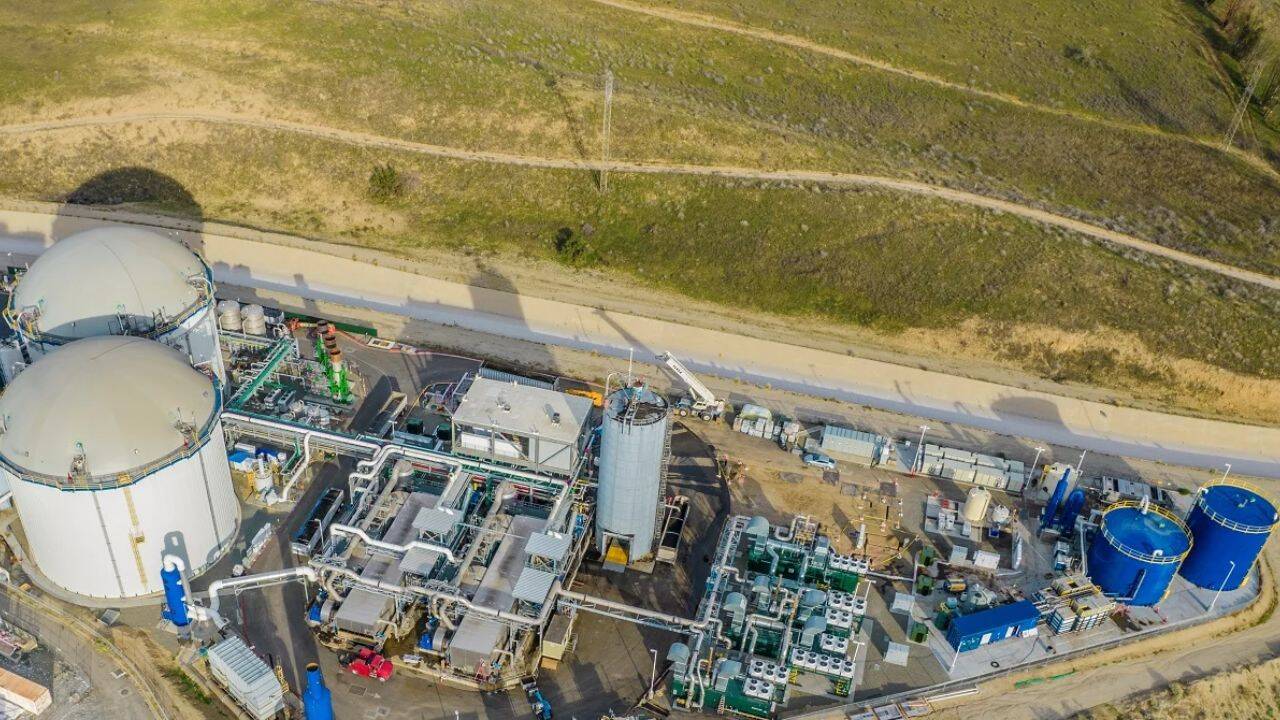
Most green energy headlines sound like fairy tales, so you can't blame people for rolling their eyes when they hear a single California facility turns 1,000 tons of daily organic waste into renewable gas.
I get the skepticism. Usually, "waste-to-energy" projects either drown in red tape, smell terrible for miles, or cost three times what their developers promised before quietly shutting down. Yet right in Rialto, California—sitting in the middle of the Inland Empire's massive logistics corridor—the Rialto Bioenergy Facility is actually doing the heavy lifting at industrial scale. You might also find this connected coverage insightful: Why New Brunswick Is Finally Putting Guardrails on Data Centre Projects.
It's not magic. It's a brutal, messy, high-tech operation designed to solve a problem most Californians only think about when their green curbside bin gets full.
The 1,000-Ton Reality Behind the Headline
Let's clear up what that 1,000-ton number actually represents, because rounded headline figures often hide the real engineering challenge. As highlighted in recent coverage by Engadget, the implications are worth noting.
Operated using technology from Anaergia, the Rialto Bioenergy Facility was built to process roughly 700 tons per day of source-separated organic waste alongside 300 tons per day of biosolids—the nutrient-rich organic sludge left over from municipal wastewater treatment. Put those two streams together, and you hit 1,000 tons of rotting, wet, complicated material every single day.
Why combine food scraps with sewage sludge? Because biology cares about carbon-to-nitrogen ratios. Food waste on its own can turn an anaerobic digester acidic and crash the microbial colony inside. Biosolids provide buffering capacity and steady microbial populations that keep the whole system stable.
If you've ever managed a backyard compost pile that turned into a slimy, foul-smelling mess because you dumped too many grass clippings in without dry leaves, you already understand the basic chemistry. Now scale that up to 1,000 tons every 24 hours, seal it inside massive oxygen-free tanks, and capture every cubic foot of gas that comes off the top.
Why California Had No Choice Under SB 1383
You don't build North America's largest landfill-diverted organic waste digester just because you care about polar bears. You build it because state law forced the market's hand.
California's Senate Bill 1383, which took effect in January 2022, mandated a 75 percent reduction in statewide organic waste disposal compared to 2014 levels by 2025. Landfills are one of the biggest human-caused sources of methane in the state. When banana peels, leftover pasta, and yard trimmings get buried under tons of plastic and drywall, they decompose without oxygen and vent raw methane straight into the atmosphere.
Methane traps over 80 times more heat than carbon dioxide over a 20-year window. Leaving it in landfills was a climate disaster waiting to happen, yet banning organics from landfills created an immediate bottleneck: where on earth do you put millions of tons of wet garbage?
Composting works well for clean yard trimmings, but post-consumer food waste from Los Angeles grocery stores, restaurants, and residential green bins is notoriously dirty. It arrives tangled in plastic bags, broken glass, forks, and packaging. Traditional compost facilities reject heavily contaminated loads because plastic shreds ruin their finished soil product.
That's where high-solids anaerobic digestion changes the economics. Before the waste ever hits a digester tank at Rialto, automated sorting lines—specifically Anaergia's OREX press technology—squeeze the organic mash through perforated plates under extreme pressure. Plastic wraps, cans, and forks stay behind. Pure, pumpable organic slurry pushes through.
How Garbage Actually Becomes Pipeline-Quality Gas
Once the contaminants get stripped out, the real work happens in the dark.
Inside massive anaerobic digesters heated to around 98°F (mesophilic conditions) or higher, billions of naturally occurring microorganisms feast on the organic slurry. Because the tanks are completely sealed off from oxygen, these microbes produce biogas—a raw mixture typically made up of roughly 55 to 65 percent methane, 35 to 45 percent carbon dioxide, and trace amounts of nasty contaminants like hydrogen sulfide and siloxanes.
You can't just pipe raw biogas into a delivery truck or a utility grid. Hydrogen sulfide turns into corrosive sulfuric acid when burned, and siloxanes—which come from everyday shampoos, cosmetics, and soaps washed down drains into biosolids—turn into microscopic glass-like silica deposits that shred engine pistons.
To make renewable natural gas (RNG), the facility runs raw biogas through a multi-stage upgrading system:
- Desulfurization and moisture removal strip out corrosive sulfur compounds and water vapor before they touch sensitive equipment.
- Activated carbon filters trap siloxanes and volatile organic compounds.
- Membrane separation pushes the gas through ultra-fine polymer fibers that let carbon dioxide molecules pass through while trapping pure methane on the high-pressure side.
What exits the back end is chemically identical to fossil natural gas—over 97 to 99 percent pure methane—ready for direct injection into the SoCalGas utility pipeline. Meanwhile, the solid material left over after digestion gets dried and converted into Class A fertilizer and biochar through pyrolysis, locking carbon into a solid form rather than letting it escape.
The Uncomfortable Truths Critics Bring Up
If you talk to environmental justice advocates or energy economists in Southern California, you'll hear valid pushback against mega-facilities like Rialto. Pretending RNG is a silver bullet does nobody any favors.
First, there's the local impact. Even with negative-pressure buildings and biofilters scrubbing exhaust air, moving 1,000 tons of organic waste and biosolids every day requires dozens of heavy diesel or natural gas semi-trucks rumbling through local streets. Rialto already sits in an air basin choked by warehouse truck traffic. Residents rightfully ask why their neighborhoods have to absorb the truck miles for Los Angeles County's food scraps.
Second, RNG isn't carbon-free at the tailpipe. Burning methane still releases carbon dioxide. The climate math only works because capturing methane from rotting food avoids massive atmospheric warming, earning the fuel a negative or near-zero carbon intensity score under California's Low Carbon Fuel Standard (LCFS). If you leak even two or three percent of that methane from pipes, valves, or digester seals, those climate benefits evaporate fast.
Third, the financial model relies heavily on environmental credits—specifically federal RINs (Renewable Identification Numbers) and California LCFS credits. When credit prices swing wildly, as they did during the LCFS oversupply slump between 2023 and 2024, project revenues take a beating. In fact, the Rialto Bioenergy Facility itself went through Chapter 11 restructuring in 2023 after facing feedstock ramp-up delays, rising construction costs, and shifting credit markets before emerging under new ownership structures to keep operating.
That financial turbulence is a huge detail most PR-friendly articles gloss over. Building first-of-its-kind infrastructure at this scale is brutal on early investors, even when the underlying engineering works.
Why Heavy-Duty Trucking Still Needs This Fuel
Battery-electric semi-trucks make plenty of sense for short regional routes, yet anyone who has looked at freight logistics knows batteries hit a wall on long-haul routes, heavy payloads, and remote corridors. Batteries weigh thousands of pounds, eat into cargo capacity, and require megawatt-scale grid upgrades that take utilities years to permit and build.
Compressed renewable natural gas (CNG/RNG) solves that bottleneck right now.
A heavy-duty tractor running a Cummins X15N natural gas engine can refuel in 15 minutes, haul full legal weight up steep mountain grades without range anxiety, and slash lifecycle greenhouse gas emissions by over 100 percent when fueled by food-waste RNG. Fleet operators like UPS, Amazon, and major waste haulers already run thousands of these trucks across California because the fueling infrastructure exists today.
Instead of waiting until 2035 for grid upgrades and battery breakthroughs, waste haulers literally use the fuel made from last week's spoiled produce to collect next week's trash. It's one of the few closed-loop industrial systems that actually works outside a PowerPoint slide.
What Businesses and Municipalities Can Do Right Now
You don't need to build a $200 million digester to apply the lessons coming out of Rialto. Whether you run a commercial kitchen, manage municipal waste contracts, or oversee fleet sustainability, the bottlenecks are surprisingly consistent.
Start with source separation discipline. The single biggest cost driver at facilities like Rialto is removing plastic, glass, and metal from organic waste streams. If your business or facility sends contaminated organics to a hauler, you pay higher tipping fees and force expensive mechanical presses to work overtime. Put clear visual signage on bins, train staff on what actually belongs in organics, and audit your dumpsters monthly.
If you manage a commercial fleet, evaluate RNG fueling contracts alongside electrification plans. Don't lock your entire capital budget into one technology while waiting years for utility transformers. Check local RNG station availability along your primary freight lanes and run a total-cost-of-ownership comparison factoring in California LCFS fuel discounts.
For local policymakers and solid waste planners, lock in long-term feedstock agreements before breaking ground. Rialto's early financial struggles proved that state mandates alone don't automatically put trucks at your tipping floor on day one. Municipalities need enforceable commercial collection ordinances and predictable tipping fee structures years ahead of facility commissioning so private operators can actually finance the steel and concrete.