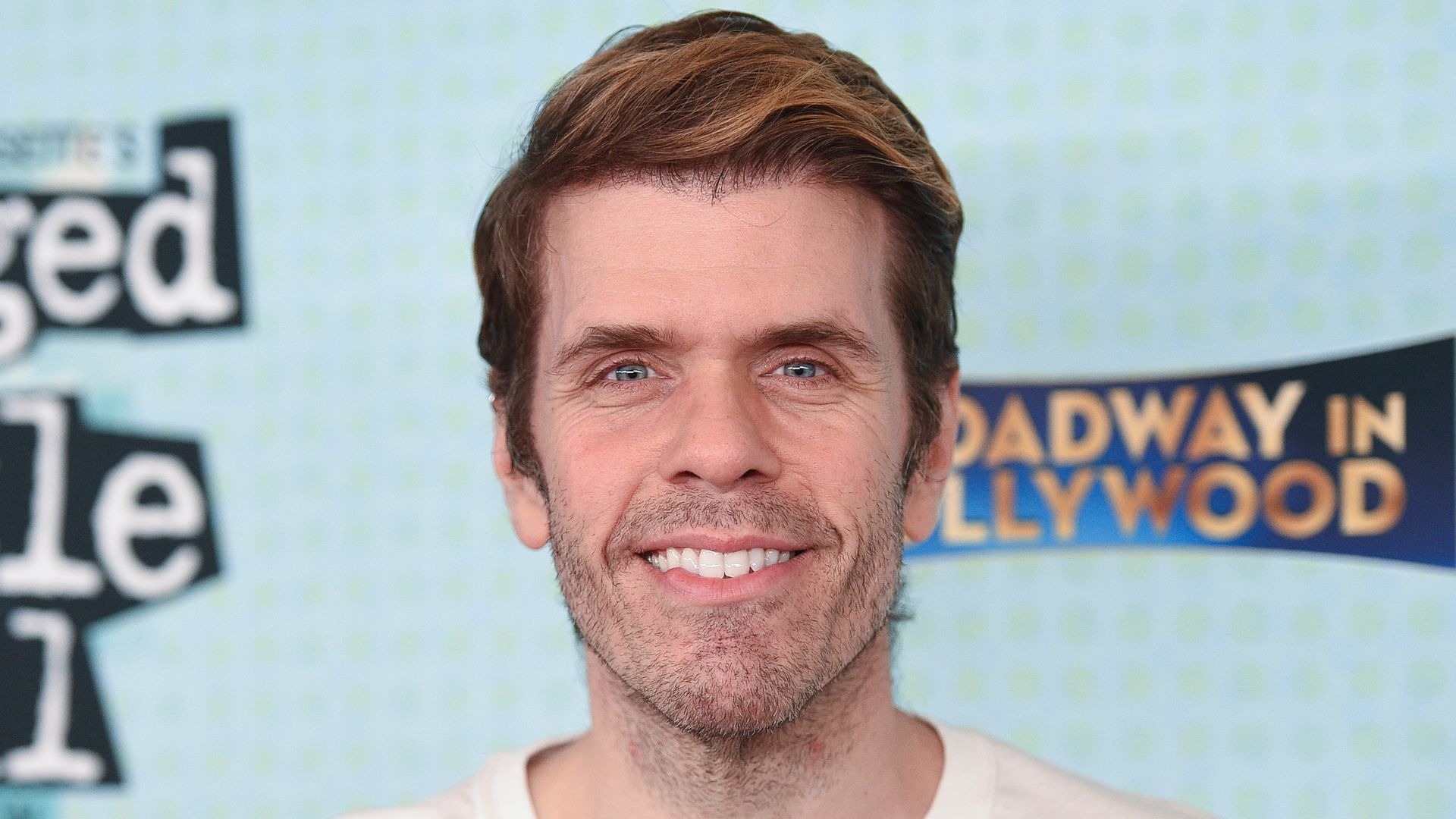
Celebrity blogger Perez Hilton remains hospitalized in serious but stable condition following a harrowing incident where he livestreamed acts of self-harm from his Miami-area home. The broadcast, which quickly triggered emergency calls from horrified viewers, laid bare the terrifying vulnerabilities of modern live-streaming platforms.
Police arrived at the scene late Tuesday evening, entering the residence before transferring the 48-year-old internet personality—whose legal name is Mario Lavandeira—to a local medical facility. He was subsequently placed under Florida's Baker Act, a legal mechanism allowing emergency psychiatric holds for individuals deemed an immediate danger to themselves.
Official updates released by his family and team confirm that Hilton sustained significant blood loss and additional injuries that require surgical intervention. While his condition is stable, medical providers note that his recovery will be a long process, with communication strictly limited to immediate family members and healthcare staff.
Why the Livestream Stayed Online
The incident immediately reignited intense public scrutiny regarding how major social media platforms police real-time video content. Viewers flooded comment sections pleading for him to stop, while simultaneously spamming emergency dispatch lines and social media channels with urgent warnings. Yet, the broadcast persisted long enough to be clipped and shared across rival platforms like X and Instagram.
TikTok representatives later addressed the systemic failure, admitting that automated moderation tools flagged the broadcast, but a human moderation error delayed its ultimate removal. By the time the stream was cut and the account banned, thousands had witnessed fragments of a mental health crisis unfold in real time. Critics argue that tech companies still lack the rapid-response infrastructure required to prevent self-harm content from gaining traction before irreversible damage is done.
The Human Cost Behind the Screen
For decades, Hilton built an empire on the high-stress, often toxic architecture of celebrity gossip culture. But recent months revealed a man grappling with severe physical and psychological strain. Earlier in the year, he spent weeks hospitalized in Las Vegas battling severe sepsis, an ordeal that he admitted fundamentally shifted his worldview.
In interviews following that scare, Hilton reflected openly on his past, expressing remorse for the bruising style of commentary that defined his early career. He pivoted toward personal faith and alternative ventures, attempting to reinvent his public footprint. Behind the scenes, however, the pressure of maintaining a digital presence while managing deep-seated personal battles proved unsustainable.
His family has emphasized that his three children are safe, shielded from the immediate trauma, and being cared for by relatives. Loved ones have urged the public to respect their privacy while navigating this critical juncture, asking supporters to rely on official statements posted to PerezHilton.com rather than unverified rumors circulating online.
Navigating Mental Health Crises in Public View
The wider fallout from this event forces a hard look at how digital culture handles visible distress. When public figures experience acute psychological breakdowns online, audiences often spectate rather than intervene effectively.
If you or someone you know is struggling with mental health, overwhelming distress, or thoughts of self-harm, help is available. In the United States, you can call or text the 988 Suicide & Crisis Lifeline at 988, or reach out to local emergency services immediately. Professional crisis intervention saves lives, and privacy combined with medical support remains the absolute priority for recovery.


