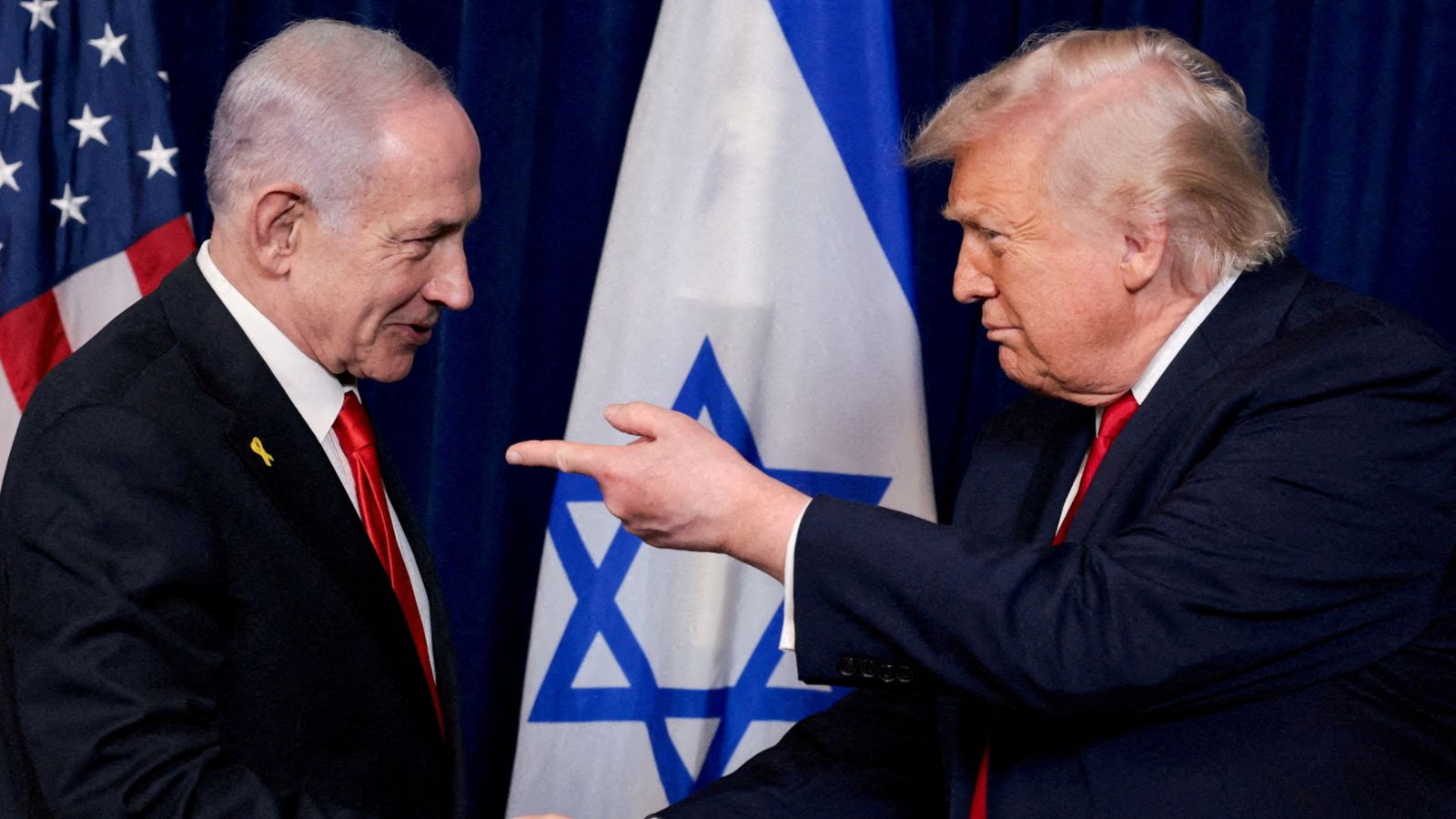
The media ecosystem loves a predictable script. For nearly a decade, the public has been fed a steady diet of the same ongoing theatrical production: London Mayor Sadiq Khan and Donald Trump locked in a bitter, high-stakes ideological war. The recent outrage cycle over spiking death threats directed at Khan following Trump’s rhetorical broadsides is just the latest act.
Mainstream commentators rush to their designated corners. One side decries the degradation of democratic discourse; the other dismisses the backlash as thin-skinned political posturing. Both sides miss the cold, transactional reality beneath the outrage.
This is not a clash of civilizations. It is a symbiotic branding exercise.
When you strip away the moral grandstanding, the feud between the London Mayor and the former US President reveals how modern political survival relies on having the perfect enemy. For both men, this public animosity is not a distraction from their political goals—it is the engine driving them.
The Lazy Consensus of the Outrage Economy
The standard narrative surrounding this feud operates on a flawed premise. We are told that these explosive exchanges are genuine ideological flashpoints that threaten the fabric of international diplomacy. Every time Trump posts a scathing critique or Khan issues a sternly worded condemnation, editors fire up the live blogs.
This framing ignores how political capital is manufactured today.
In a fragmented media market, politicians no longer build broad coalitions; they mobilize intense factions. To do that efficiently, you need a foil—a personification of everything your base fears and hates. Khan and Trump discovered early on that they were uniquely qualified to play that role for one another.
Consider the mechanics of their interactions:
- The Blueprint: Trump leverages London's knife crime statistics or local political controversies to signal to his domestic audience that European social democracy is failing.
- The Counterweight: Khan uses Trump's attacks to solidify his position as the global vanguard of progressive, cosmopolitan values, distracting from municipal policy failures back home.
- The Outcome: Both leaders dominate the news cycle, raise immense amounts of small-dollar donations, and fire up their respective core voters without ever having to pass a single piece of legislation.
I have spent years analyzing media strategy during major political campaigns, and the pattern here is undeniable. It is classic professional wrestling booking applied to geopolitics. They are "working the crowd," and the crowd falls for it every single time.
Dismantling the Premise of Political Accountability
When the media reports on a surge in security threats against a public official, the immediate response is to demand accountability from their rhetorical opponent. "Why won't Trump tone down the language?" ask the columnists. "Why does Khan keep taking the bait?" ask the pragmatists.
These questions assume that either leader wants the hostility to stop. They don't.
For Khan, being Trump’s primary British target is a massive political asset. It elevates him from a regional administrator managing transport budgets and housing shortages into an international statesman defending Western democracy. When Londoners are frustrated with a delayed subway line or rising crime rates, a well-timed public spat with an American billionaire effectively changes the conversation. It forces local critics into an uncomfortable position: if you attack Khan's record, you risk looking like you are siding with Trump.
For Trump, attacking the mayor of a major European capital serves as a perfect proxy war against the global establishment. It costs him nothing, requires zero policy nuance, and reinforces his narrative that traditional Western cities are in decline under progressive management.
The downsides to this strategy are real, and they are borne entirely by the public. When political discourse is reduced to personal feuds, actual governance becomes secondary. We stop talking about infrastructure, economic growth, or policing strategies, and instead spend weeks debating the tone of a social media post.
The Numbers the Legacy Media Ignore
The mainstream press frequently cites the volume of social media engagement surrounding these disputes as proof of their cultural significance. They show you charts of trending hashtags and quote counts to argue that the public is deeply invested in this ideological struggle.
Let's look at what those metrics actually mean.
Data from independent digital analysis firms consistently shows that the vast majority of online engagement during these political flare-ups is driven by automated bots, highly partisan hyper-users, and international observers who have no stake in London's governance or American domestic policy. The conversation is artificially inflated by algorithmic design.
While the headline-grabbing metrics spike, actual public sentiment among regular citizens show growing fatigue. Poll after poll indicates that everyday voters are far more concerned with tangible, local economic realities than the latest cross-Atlantic insults. Yet, because the media relies on the same outrage algorithms for ad revenue, the theater is granted top billing over substantive policy reporting.
Stop Asking if the Feud is Real—Ask Who it Benefits
The most common question asked in the wake of these controversies is whether the animosity between the two men is authentic. It is the wrong question. It does not matter if they genuinely dislike each other behind closed doors. What matters is that the public display of that dislike is highly profitable for their respective political brands.
If you want to understand modern politics, you have to look past the moral outrage and examine the incentives.
The contrarian truth that nobody wants to admit is that Sadiq Khan and Donald Trump are effectively business partners in the attention economy. They have built an international political apparatus fueled by mutual condemnation. To expect them to de-escalate is to misunderstand the very nature of their success. They will keep fighting because the moment the fighting stops, the spotlight fades—and neither man can afford to sit in the dark.
Turn off the television. Ignore the notifications. The script only works if you keep watching.