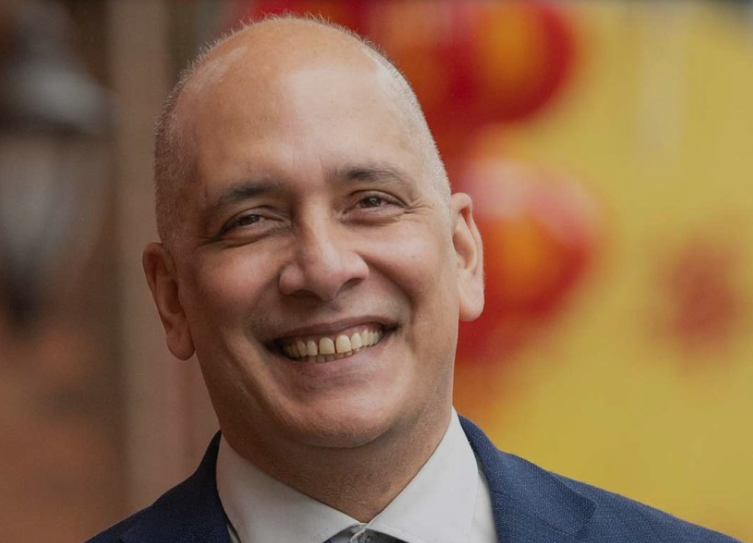
Pete Fry didn't just squeak past Ken Sim on election night. He blew the doors off the place.
While early coverage framed the race around projection calls on October 17, 2026, the final tally made it unmistakable: two-term Green Party councillor Pete Fry defeated incumbent mayor Ken Sim to become Vancouver's next mayor, flipping a city hall that Sim's ABC Vancouver had dominated since 2022. Official results put Fry at 98,748 votes compared to Sim's 67,598, a decisive 31,150-vote margin. For anyone watching Vancouver municipal politics closely, that gap wasn't a fluke. It was the culmination of four years of mounting friction over property tax freezes, climate rollbacks, and fractured coalitions on the left finally coming together. Also making news lately: The Quiet Arithmetic of a Fading Promise.
Why Projections Looked Closer Than Reality
Late-night election projections often make drama out of early ballot drops, and pre-election polls added to the suspense. Surveys in early and mid-October showed Fry and Sim essentially neck and neck among decided voters—around 28% to 27% in one poll—with a crowd of other contenders splitting attention. Voters also saw Colleen Hardwick, Kareem Allam, Rebecca Bligh, Muhammad Ahmad, Scott Gilbert, and Amauri Caliman in the mix. Additional insights regarding the matter are explored by USA Today.
Polling in big Canadian cities has a notorious blind spot in municipal elections. Turnout tends to hover in the 30% to 40% range in typical cycles, though 2026 bumped up to roughly 43.39% with 209,711 ballots cast. Advance voting surged dramatically too, topping 103,000 ballots—up 60% from five advance days in 2022. When voters who had stayed quiet in phone or online surveys actually show up, static snapshots fall apart fast.
Another piece of the puzzle was progressive consolidation. Earlier in the fall, COPE's Stephanie Allen withdrew from the mayoral race on September 2, and OneCity's William Azaroff stepped aside on September 8 and endorsed Fry. That didn't magically erase every competing voice—Hardwick still finished third and Allam fourth in the race—but it gave anti-ABC voters a much clearer rallying point than they had four years earlier.
What Actually Cost Ken Sim His Seat
When Ken Sim won in 2022 with 51% of the vote, ABC Vancouver swept majorities across City Council, the Park Board, and the School Board. Four years later, ABC was reduced to a single council seat held by Mike Klassen, with no Park Board commissioners elected.
Honestly, that kind of swing doesn't happen over a single policy dispute. It builds up.
- Tax freeze trade-offs: Sim leaned into his "Zero Means Zero" approach to freezing property taxes, including slashing planning and sustainability funding in November 2025 and pitching a zero percent property tax increase for 2027. Supporters liked keeping bills flat. Critics saw hollowed-out city capacity at a time when housing and affordability pressures were top of mind for residents.
- Climate whiplash: Under Sim's administration, city hall went back and forth on natural gas restrictions in new buildings—rolling back rules in May 2024, restoring them in December 2024 after public pushback, and reopening debates again. To voters who care about climate action, that zig-zagging looked reactive rather than principled.
- Fatigue with an overwhelming majority: Supermajorities feel invincible until voters decide nobody is checking the room. Across Metro Vancouver polling in October, a clear majority of residents said it was time for change, with 62% of Vancouver respondents expressing that view.
Sim didn't fight the verdict on his way out. In his concession remarks and final council appearance, he thanked residents, praised the meaning of serving as mayor, and told Fry to "knock it out of the park, buddy". It was a surprisingly gracious exit for a politician whose 2022 arrival had felt like a total takeover.
Pete Fry's Path to Becoming Vancouver's First Green Mayor
Fry's win is historic: he's the first Green Party candidate elected mayor of Vancouver, which remains the only major Canadian city with a municipal Green party. Yet his rise wasn't an overnight sensation. Before entering city council in 2018, Fry worked as a graphic designer and communications consultant and weathered losses in the 2014 municipal election and a 2016 Vancouver-Mount Pleasant provincial byelection.
What makes his coalition workable—and complicated—is the council he walked into after being sworn in on November 2, 2026. Rather than a single-party sweep like ABC had in 2022, the new council blends five Green councillors, four from COPE, one from OneCity, and ABC's Mike Klassen.
Coalition city halls are messy. Period. Having allies on housing and climate doesn't mean everyone agrees on zoning, budgets, or pacing. Fry's platform emphasizes reinstating the gas ban for new housing, bringing back a standalone Sustainability and Climate Office, expanding "missing middle" housing and complete communities, boosting tree canopies and cooling infrastructure, and setting up a new Office of Strong Communities. Turning those pledges into bylaws will take real negotiation across progressive slates rather than rubber-stamp votes.
Public Safety, Plebiscites, and the Real Policy Test
If you think electing a progressive mayor means every civic debate is settled, look at the non-binding plebiscite results from October 17. Voters passed both public safety questions—one on open-air drug use (137,178 Yes to 62,880 No) and another on a St. Paul's involuntary care facility (135,509 Yes to 63,722 No).
That detail matters a lot. Vancouver voters aren't handing city hall a blank check to ignore street disorder or mental health and addiction crises. Even as they moved left on mayor and council, residents signaled strong backing for tough or structured responses to public safety concerns. Balancing community health, renter protections against heat and smoke, affordable housing, and public safety is where Fry will be judged over the next four years.
Almost immediately after taking office in early November, Fry and the new council moved into substantive sessions in mid-November with motions aimed at reviewing or reversing several ABC-era policies across governance, housing, climate, and worker pay. Watching which ABC policies get repealed outright versus quietly reworked will tell you everything about how pragmatic this council actually is.
How to Follow What Happens Next at City Hall
If you live in Vancouver, run a business here, or just follow B.C. municipal politics, don't tune out now that the campaign signs are down. Municipal decisions on property taxes, rezoning, permits, and neighbourhood programs hit wallets and daily routines faster than federal headlines.
- Track council agendas and motions: Pay attention to early council meetings in November and December to see which ABC initiatives are rescinded and what new housing or climate rules are introduced.
- Watch budget trade-offs: See how Fry's team funds climate offices, green infrastructure, and community programs while keeping property tax increases realistic for homeowners and renters.
- Follow committee debates on public safety and housing: Look closely at how council reconciles progressive housing and social goals with voter sentiment expressed in the October plebiscites.
Vancouver election: Pete Fry defeats Ken Sim to become mayor and Mayor Pete Fry, new council targets ABC Vancouver policies in meetings this week offer ongoing coverage of the transition and early council votes.
Fry and Sim neck-and-neck for Vancouver mayor: Canada Pulse Insights poll provides pre-election polling context that helps show how tightly contested the race looked before election night results flipped expectations.


