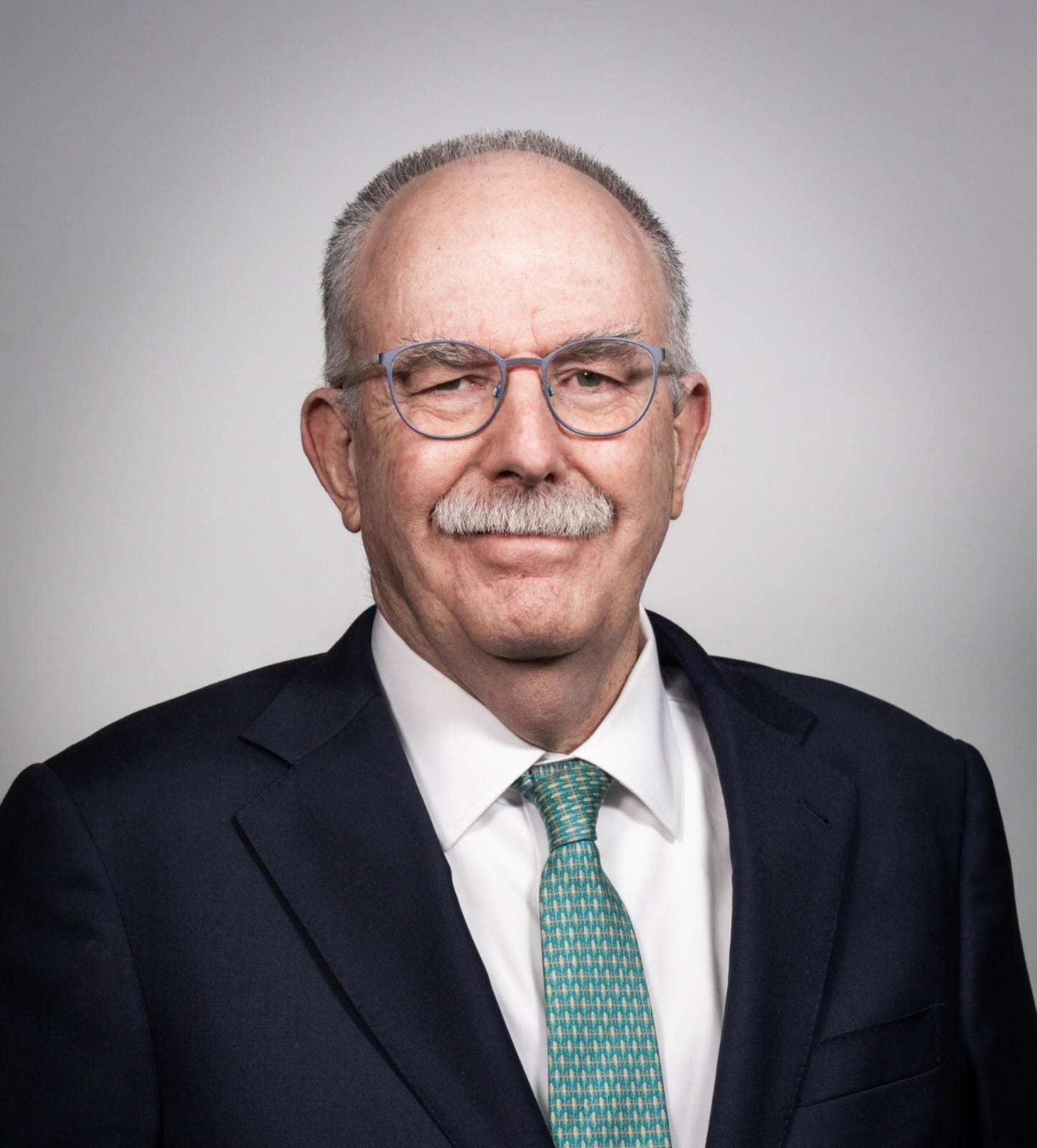
Peter Schrag didn't just cover the news. He saw the cracks in the foundation of the Golden State before they became craters. When he passed away recently at 94, he left behind a body of work that reads less like history and more like a warning manual for the current political climate. He spent decades at the Sacramento Bee and other outlets arguing that California was essentially sabotaging its own future.
The core of his argument wasn't about party lines. It was about how direct democracy—the very thing Californians often pride themselves on—became a tool for dismantling the public institutions that made the state great in the first place. If you've ever wondered why a state with so much wealth struggles with crumbling infrastructure and a perpetual housing crisis, Schrag’s work holds the answers.
The Prop 13 Ghost That Still Haunts Us
You can't talk about Peter Schrag without talking about his obsession with Proposition 13. To Schrag, this wasn't just a tax revolt. It was a "suicide pact." Back in 1978, voters decided to cap property taxes, which sounded great for homeowners at the time. But Schrag pointed out the massive unintended consequence: it shifted power from local communities to Sacramento.
He argued that this one piece of legislation effectively gutted the funding for what used to be the best public school system in the country. He saw the irony in a state that claimed to be progressive but voted to starve its own social ladder. He didn't mince words about it. He called it the "Mississippi-fication" of California.
Schrag saw that when you strip away the ability for local governments to fund their own services, you create a permanent state of dysfunction. People get angry that schools are failing or roads are broken, so they vote for more initiatives to fix them. Those initiatives then tie the hands of legislators even more. It's a loop. Schrag spent his career trying to pull us out of it.
Why Paradise Lost Is Still Essential Reading
In his 1998 book Paradise Lost: California's Experience, America's Future, Schrag laid out a thesis that felt cynical then but feels prophetic now. He argued that California is a laboratory for the rest of the nation. What happens here eventually migrates east.
He was one of the first major thinkers to identify the "ethnic gap" in voting patterns. He saw a demographic of older, mostly white voters making decisions that affected a younger, more diverse population that didn't yet have the same political power. He warned that this disconnect would lead to a breakdown in the social contract.
The Problem With Ballot Box Budgeting
One of Schrag’s most persistent gripes was with the initiative process itself. He wasn't against the people having a voice, but he hated how special interests hijacked the system. He wrote extensively about how "ballot box budgeting" made the state impossible to govern.
- Voters approve a bond for a new project.
- They refuse to approve the taxes to pay for it.
- Legislators are forced to cut other essential services to balance the books.
- The public gets more cynical about government.
It's a mess. Schrag’s writing made it clear that we've replaced representative government with a chaotic series of popularity contests funded by whoever has the deepest pockets.
A Career Defined by Intellectual Honesty
Schrag wasn't just a columnist. He was an immigrant who arrived in the U.S. from Germany as a child in the 1940s. That perspective gave him a unique appreciation for American institutions and a profound fear of what happens when they're neglected.
He worked at Saturday Review and the Sacramento Bee, but his influence went way beyond those mastheads. He was the guy other journalists read to understand what was actually happening in the state capitol. He had this way of taking a dry budget report and turning it into a scathing indictment of political cowardice.
He didn't just blame the politicians. He blamed the voters, too. He believed that democracy requires a level of civic responsibility that many Californians had traded for short-term financial gain. It was a tough pill to swallow, but he didn't care about being popular. He cared about being right.
Lessons We Haven't Learned Yet
Schrag’s death at 94 marks the end of an era, but his ideas are more relevant than ever. We're still dealing with the same "populist streak" he warned about. Whether it's the fight over housing density or the constant threat of recalls, the tension between direct democracy and effective governance is still the defining feature of California politics.
If we want to honor his legacy, we have to stop looking for easy fixes at the ballot box. We have to face the fact that a functioning society costs money and requires compromise. Schrag taught us that you can't have a world-class state on a bargain-bin budget.
What You Can Do Today
Don't just take my word for it. Go find a copy of Paradise Lost. Read his old columns in the Bee archives. You'll see that the headlines from twenty years ago look suspiciously like the ones from this morning.
The next time a complex initiative shows up on your ballot, think about the long-term impact. Ask yourself if it’s another "suicide pact" or a genuine step forward. Schrag’s work reminds us that the "populist streak" he feared is always just one election away from doing more damage.
Take a hard look at the California Legislative Analyst's Office reports before you vote. Stop falling for the thirty-second ads funded by billionaires. Start demanding that the people we elect actually have the power to do their jobs. That's the only way to get out of the trap Schrag spent his life describing.