Pope Francis doesn't want to debate Donald Trump. He made that clear. After a speech in which he warned against the rise of "tyrants" who exploit fear and build walls, the world immediately started pointing fingers at the Mar-a-Lago resident. But the Pope says we've got it all wrong. He wasn't talking about one man. He was talking about a global sickness.
People love a good fight. The media loves a David vs. Goliath narrative where the Vatican takes on the White House or the campaign trail. It sells papers. It gets clicks. However, the reality of papal diplomacy is a lot more complex than a Twitter feud. When Francis speaks about populist leaders, he's looking at a map that includes Europe, South America, and Asia—not just the United States. He’s looking at history, and frankly, he’s worried. Meanwhile, you can read related stories here: North Korean Kinetic Escalation and the Trilateral Deterrence Deficit.
The speech that sparked the fire
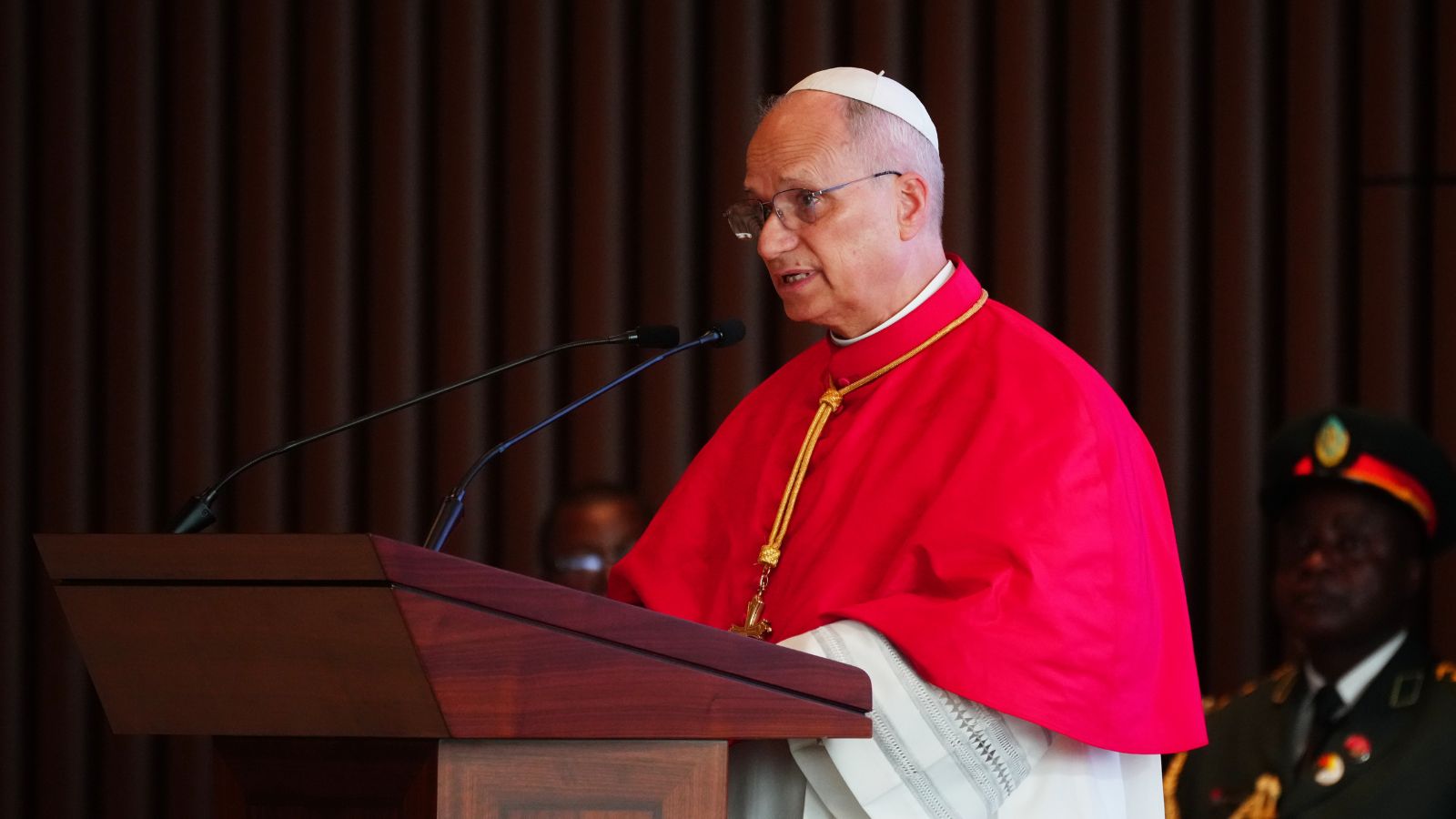
During a recent address, the Pope spoke about the danger of societies that retreat into themselves. He used the word "tyrants." He talked about those who use the "culture of waste" to discard the poor and the migrant. Because Trump has made border security and "America First" his brand, the connection seemed obvious.
The Vatican press office had to move fast. They clarified that the Pope’s remarks were a reflection on political philosophy, not a targeted strike on the GOP frontrunner. Francis himself later doubled down, saying it isn't in his interest to get into a ring with Trump. He’s a shepherd, not a political pundit. He doesn't want to influence an election directly, even if his values clearly clash with certain platforms. To understand the bigger picture, check out the detailed analysis by The New York Times.
Why the Pope avoids direct political combat
You might wonder why he doesn't just say the name. If he thinks the policies are wrong, why hide behind metaphors?
The Papacy plays a long game. Popes think in centuries, not four-year election cycles. If a Pope gets too bogged down in the mud of a specific country's election, he loses his moral authority to speak to the whole world. He becomes just another political actor. Francis knows that if he calls out Trump by name, he alienates millions of Catholic voters in the U.S. who see things differently.
It’s about strategy. By speaking in broad terms about "tyranny" and "populism," he forces everyone to look in the mirror. He’s not just talking about the guy on the news. He’s talking about the neighbor who supports harsh policies out of fear. He’s talking about the systemic greed that creates these leaders in the first place.
The actual points of tension
While he won't debate Trump, the ideological gap is a canyon. You can't ignore it.
- Migration: This is the big one. Trump wants walls. Francis says "bridges, not walls." The Pope has literally stood at the border and prayed for those who died trying to cross.
- Climate Change: Francis wrote Laudato si’, an entire encyclical on the environment. Trump has called climate change a hoax. These aren't just minor disagreements. They're fundamental differences in how they view the planet's survival.
- The Poor: Francis pushes for a "poor Church for the poor." Trump’s policies often lean toward deregulation and tax cuts that critics argue favor the wealthy.
What the media gets wrong about Vatican influence
The press wants a hero and a villain. They want the Pope to be the leader of the "Resistance." But the Pope isn't a liberal Democrat. He holds traditional views on plenty of topics that would make a progressive’s head spin. He isn't auditioning for a spot on a cable news panel.
When he talks about tyrants, he’s thinking about the 1930s. He’s thinking about how fear makes people trade their soul for a sense of security. He’s seen it in Argentina. He’s seen it in the history books of Europe. To him, the "tyrant" isn't a person—it's a pattern of behavior. It’s a way of treating the "other" as a threat instead of a brother.
Don't expect a Vatican endorsement anytime soon
If you're waiting for the Pope to tell you how to vote, don't hold your breath. He’s already told the faithful to "study the proposals, pray, and choose in conscience." That’s code for "figure it out yourself."
He believes the voters are responsible for the leaders they get. If a tyrant rises, it’s because the people let it happen. He’s more interested in why the public is so angry and afraid than he is in the specific person tapping into that anger. He’s diagnosing the fever, not just complaining about the patient.
How to read between the lines of Papal statements
Next time you see a headline saying the Pope "slammed" a politician, take a beat. Look at the original Italian or Spanish if you can. Look at the context of the whole speech. Usually, you’ll find he’s quoting scripture or social doctrine that has been around for a hundred years.
- Check if he used a specific name. (He almost never does).
- Look for the universal principle. (Is he talking about dignity, mercy, or justice?)
- Observe the timing. (Is he speaking to a specific group, like youth or diplomats?)
The Pope’s job is to be annoying to everyone in power. He’s supposed to be a thorn in the side of the status quo. If he only attacked one side, he’d be failing at his job. He’s just as likely to criticize a secular leftist government for its stance on life issues as he is to criticize a right-wing populist for his stance on refugees.
Pay attention to the themes of "encounter" and "dialogue" that Francis repeats. He thinks the biggest danger isn't one specific leader, but the fact that we've stopped talking to each other. By refusing to debate Trump, he’s actually practicing what he preaches. He’s refusing to feed the cycle of polarization. He’s staying in his lane, even if that lane is a high-wire act over a political volcano.
Stop looking for a soundbite and start looking at the substance of his warnings about how we treat the most vulnerable people among us. That’s where the real story lives. Check the official Vatican News site for the full transcripts of his Wednesday audiences if you want the unedited version. Don't let a twenty-word headline tell you what a man in a white robe thinks about the future of the world.