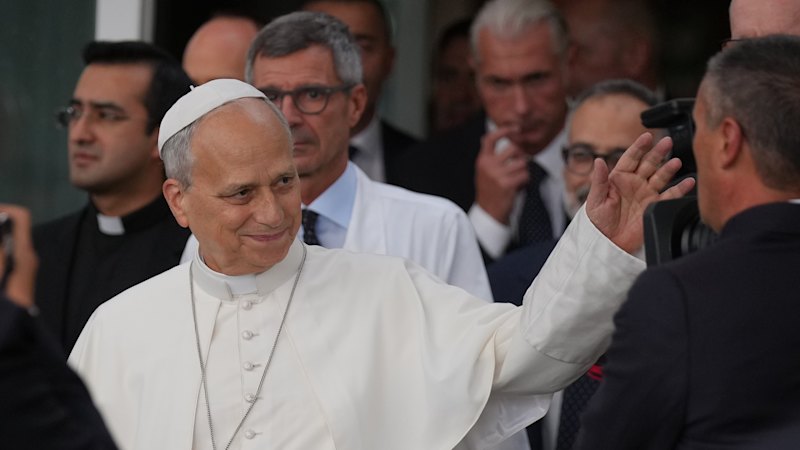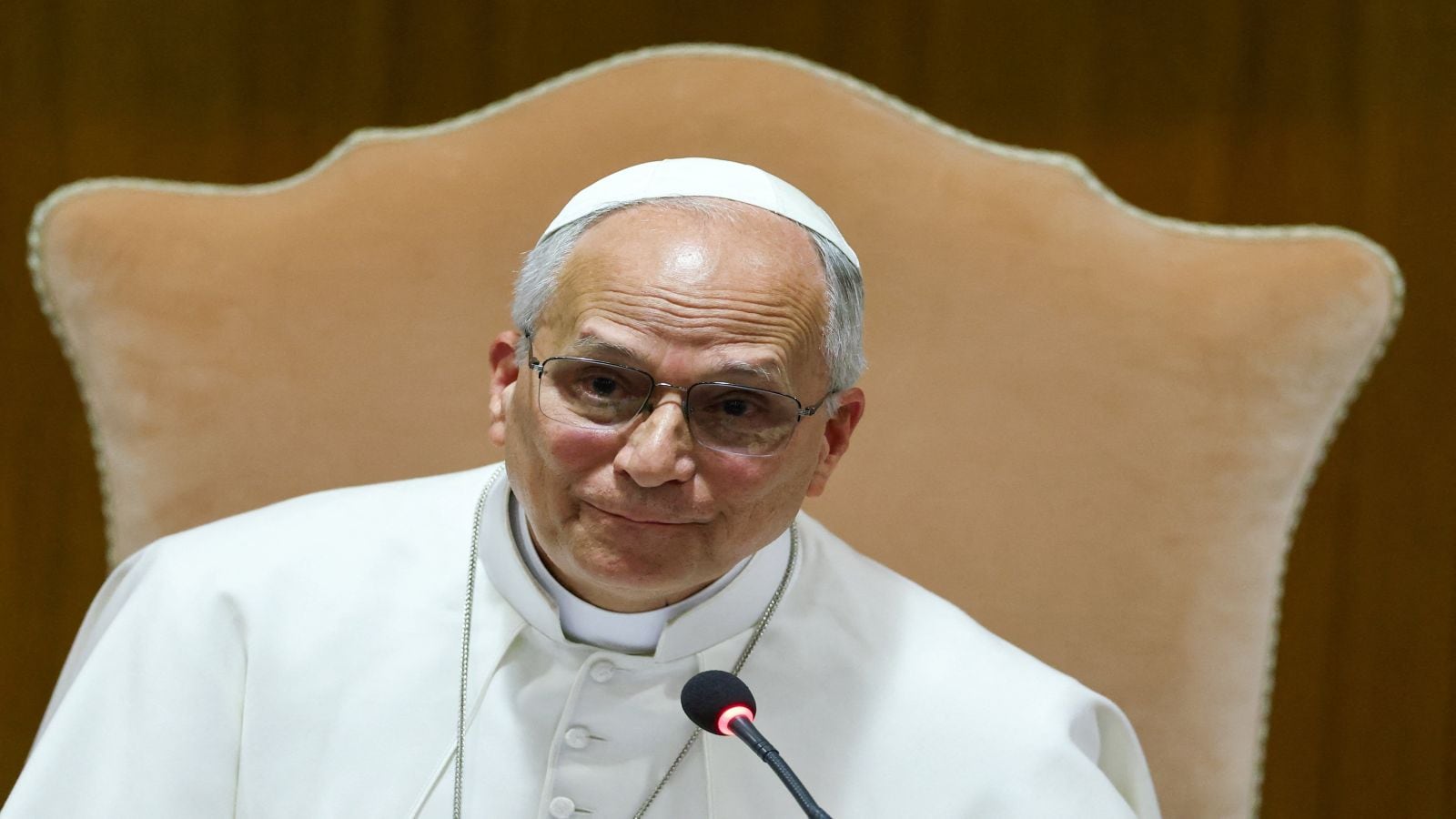
Four days after lung cancer surgery, Pope Leo XIV walked out of Rome's Agostino Gemelli Polyclinic and headed straight back to the Vatican. Most people in their seventies are still groggy from anesthesia and wincing at every deep breath on day four. Leo, 71, told reporters he felt "much better" and climbed into a black SUV headed home.
That quick return wasn't just a PR moment. It broke decades of Vatican secrecy around papal illness and showed how fast modern thoracic care can move when a tumor is caught early. Honestly, watching a sitting pontiff go from a surprise lung shadow to home base in four days forces you to rethink what recovery looks like after major chest surgery.
Why Pope Leo Returning to the Vatican Four Days Later Turned Heads
Traditionally, the Vatican treated a pope's health like a state secret until a crisis couldn't be hidden anymore. Remember Pope Francis's long hospital battle with bronchitis and bilateral pneumonia before his death in April 2025? That history still hung in the air when Leo, about 17 months into his pontificate, went in for an operation on October 13, 2026.
What made this case different started a week earlier. Leo told crowds in St. Peter's Square that doctors had found a lung nodule and planned to take it out. Then came the surgery at Gemelli Hospital, where surgeons removed the lower lobe of his right lung and confirmed adenocarcinoma, the most common form of lung cancer.
Initial expectations pointed to roughly a week in the hospital. Instead, Leo was discharged on Saturday, October 17, after just four days. Ten minutes later, he was back inside the Vatican gates. On the way out, he stopped briefly for a 13-year-old Ukrainian girl who handed him a homemade papal doll and shared how meeting him in St. Peter's Square the previous December had helped her through her own cancer treatment.
Lead thoracic surgeon Dr. Stefano Margaritora told Vatican News that Leo threw himself into recovery and projected a full surgical rebound in roughly 10 more days. Less than a week after leaving the hospital, on October 22, the Vatican announced the cancer was localized and required no further treatment. Even better, Leo kept his grueling 12-day November tour across Uruguay, Argentina, and Peru on track—and later joked aboard the papal plane that he wasn't at 100%, but felt "pretty good".
What a Lobectomy Actually Does to Your Body
Hearing "lung cancer surgery" makes most people picture a brutal, months-long crawl back to normal life. Sometimes it is. When a surgeon removes a lobe—a lobectomy, like taking out the lower lobe of the right lung—you lose a chunk of lung tissue. Your chest cavity doesn't just turn into empty air, though. The remaining lung tissue expands to fill the space, and your diaphragm and remaining lobes adjust over time.
Still, leaving the hospital in four days doesn't mean the body is finished healing. From a clinical standpoint, day four is just the starting line for real physical rebuilding.
- Respiratory therapy starts right away. Walking the halls and doing breathing exercises the day after surgery—just as Leo did—helps re-expand remaining lung tissue and clear secretions. People who stay flat in bed risk fluid buildup and pneumonia.
- Pain management is a balancing act. You need enough comfort to take deep breaths and cough effectively, without heavy sedation slowing your gut or dulling your alertness.
- Fatigue hits in waves. Even when lab tests look clean and doctors clear you for travel, stamina lags behind optimism. Long flights, crowded schedules, and time zones drain reserves fast—which explains why members of Leo's own traveling delegation and press corps caught sick during the South American trip while he pushed through.
There's a nuance here that headlines often flatten. A fast discharge after thoracic surgery usually signals two things: the procedure went smoothly without major air leaks or bleeding, and the patient was mobile early. It does not mean internal tissues and nerves are completely healed in 96 hours. Anyone comparing their own recovery—or a loved one's—to a high-profile public figure needs to remember that VIP care, early detection, and individual tumor biology shape outcomes massively.
Catching a Silent Shadow Before Symptoms Start
One of the sharpest takeaways from Leo's ordeal has nothing to do with church politics. He felt fine. There were no dramatic warning signs forcing him into the ER. Instead, doctors spotted a shadow on his lung during an annual checkup.
Lung cancer is notorious for staying quiet until it's further along. That's why finding a small, localized nodule early changes the whole conversation. When cancer hasn't spread beyond its spot and can be removed cleanly, patients often avoid grueling follow-up treatments like chemotherapy or radiation. As Leo put it later while flying home from Peru, the surprise diagnosis made him hope others wouldn't avoid routine checkups or preventive care out of fear.
Of course, medical reality comes with plenty of gray areas. Not every lung nodule is cancerous—many are benign scars or inflammation—and not every early cancer behaves the same way. Even when doctors say no extra treatment is needed right away, long-term follow-up typically relies on regular imaging like CT scans to watch for any changes over time. Medicine gives us strong tools, not guarantees, and specialists openly weigh scan intervals, surgical risks, and overall health case by case.
Practical Steps If You or Someone You Love Faces a Lung Nodule
If a scan turns up a lung spot or major surgery is suddenly on the table, panic is normal. Having a clear checklist helps you ask sharper questions and protect your recovery.
- Ask specific questions about the nodule or pathology. Find out the size, type (such as adenocarcinoma), whether lymph nodes or nearby tissue look clear, and whether the tumor appears localized.
- Clarify the follow-up plan before leaving the clinic. Don't walk out with vague reassurance. Ask whether the next step is a repeat CT scan in a few months, surgery, or additional testing, and get the timeline in writing.
- Prioritize early movement and breathing work after surgery. Follow your care team's guidance on walking, posture, and incentive spirometry or breathing exercises, and ask what symptoms—like fever, worsening shortness of breath, or sharp chest pain—require an immediate call.
- Pace your return to normal life. Even if you feel great early on, build in rest days and protect your sleep, especially before big trips or heavy schedules.
Check your upcoming preventive appointments, write down your top three questions before your next doctor visit, and treat early recovery as a marathon rather than a sprint.