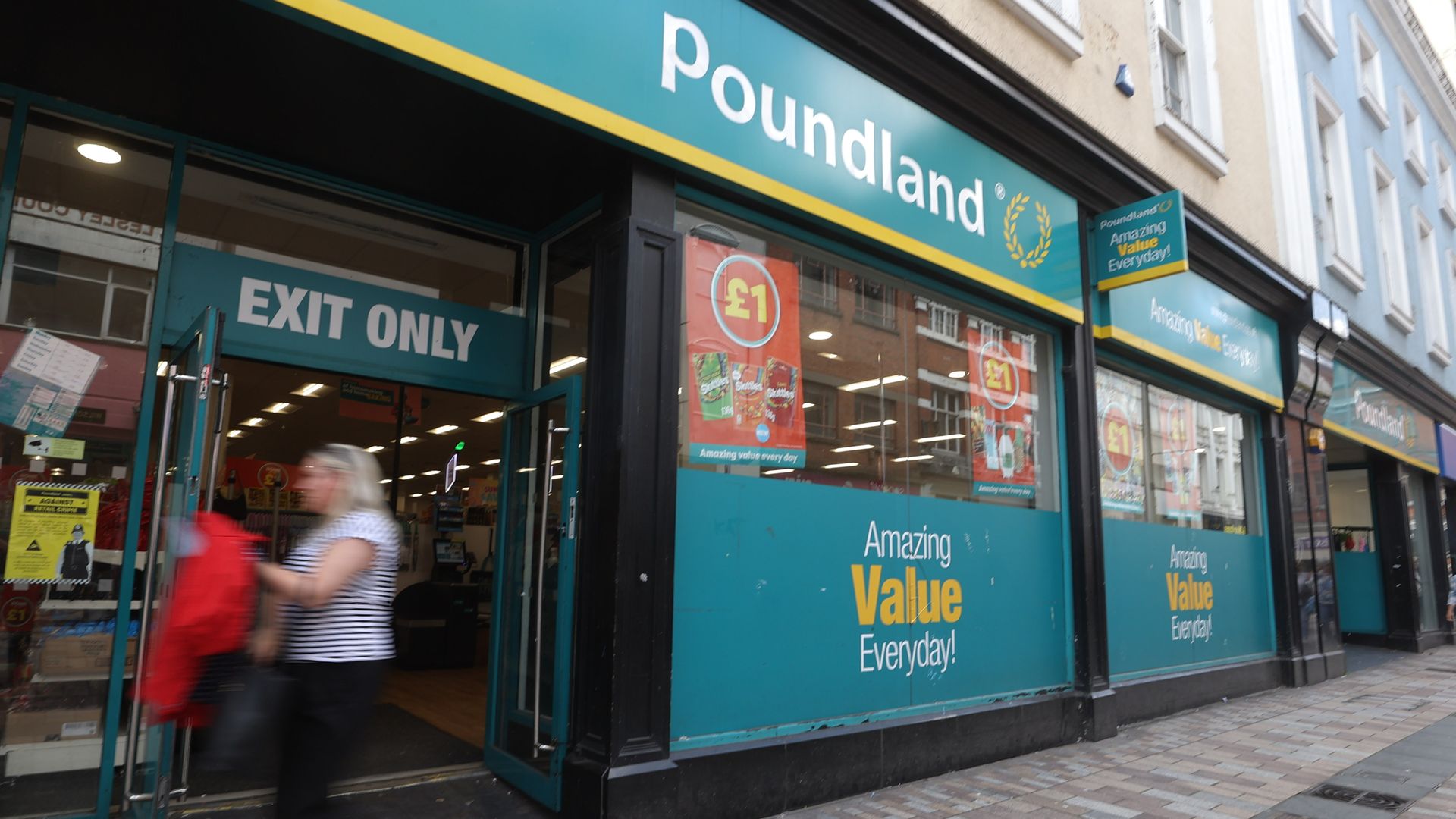
You don't usually go shopping for a mid-market footwear brand while your biggest UK retail asset is actively collapsing into administration. Yet that's exactly what Gordon Brothers is doing.
Even as Poundland slid into administration—putting more than 10,000 jobs at risk right before Christmas—its American owner emerged as a suitor for British shoe and accessories retailer Dune. To casual high street observers, the timing looks completely backwards. Why on earth would a firm under parliamentary fire for letting a 600-store discount giant fail suddenly eye a 34-year-old fashion footwear chain?
The short answer comes down to how distressed retail specialists actually make money. Gordon Brothers isn't a traditional high street operator trying to build a cozy retail empire. They're a restructuring and investment firm that hunts for undervalued intellectual property, wholesale distribution networks, and turnaround plays. And right now, Dune fits that profile to a tee.
The Poundland Fallout Changed Everything
You can't separate the Dune bid from the absolute wreckage happening at Poundland. When Gordon Brothers bought Poundland from European retail group Pepco for a nominal £1 back in June 2025, it looked like a classic distressed buyout. Fast forward to late November 2026, and the wheels have completely come off.
Poundland's board was forced to appoint AlixPartners as administrators after running out of funds to restock shelves during peak Christmas trading. CEO Barry Williams told staff bluntly that Gordon Brothers withdrew all borrowing facilities and access to bank accounts on October 27, leaving the business without enough cash to stay solvent.
Westminster is furious. MPs hauled Gordon Brothers executives in front of Parliament, accusing the firm of extracting millions of pounds while Poundland teetered on a knife-edge. The firm also rejected last-ditch rescue offers—including bids from finance firm Xyra Group—that unions and politicians hoped might save thousands of shop floor jobs.
Why Reputation Rarely Stops a Restructuring Firm
If you're wondering how a firm facing that level of political heat still gets a seat at the negotiating table for Dune, you're thinking like a PR manager, not a dealmaker.
In corporate restructuring, political outrage in London rarely freezes capital deployment out of Boston. Sellers and advisors care about one thing: certainty of funds. When a founder wants out and a business needs fresh capital, an aggressive buyer with deep pockets and zero fear of bad headlines often moves faster than traditional private equity.
Still, there's real friction here. Advisory sources watching the Dune sale have already noted that intense scrutiny over Gordon Brothers' handling of Poundland could complicate its participation. Nobody wants their legacy brand dragged into a parliamentary select committee hearing six months after signing a sale agreement.
What Is Actually Happening at Dune London
To understand why Gordon Brothers wants Dune, you have to look at why Dune is on the block in the first place.
Daniel Rubin founded Dune London back in 1992 from a single concession on Oxford Street. Over 34 years, he turned it into one of Britain's best-known footwear names, operating across 37 international markets with more than 350 stores and over 1,000 points of sale. In September 2026, preparing for retirement, Rubin brought in FTI Consulting to explore strategic options—ranging from a minority investment to an outright sale.
On paper, Dune has huge global reach. Its shoes sit inside major department stores like Next and Frasers in the UK, and Nordstrom and Dillard's in the United States. Management has been pushing hard to grow international sales from a third of total revenue to more than half.
The Numbers Behind the Sale
Look under the hood, though, and you'll see why a turnaround specialist is circling.
Dune's financial performance took a sharp hit leading into the sale process. In the financial year ending February 2025, the company's pre-tax losses jumped by 50.7% to £5.9 million. Even more concerning for traditional buyers, EBITDA collapsed from £4.9 million down to just £200,000.
That drop tells a very specific story about UK fashion retail:
- Rising store costs: UK business rates, higher minimum wages, and sticky commercial rents eat up retail margins fast when footfall softens.
- Heavy discounting: Mid-market shoe shoppers have gotten addicted to promo codes, squeezing full-price sell-through.
- Wholesale vs. retail drag: While international wholesale partnerships with US department stores look promising, running hundreds of physical concessions and standalone shops across the UK drags down overall cash flow.
Traditional private equity firms hate catching a falling knife when EBITDA drops by over 95% in a single year. Gordon Brothers, by contrast, makes its living buying into exactly that kind of operational distress.
Why Gordon Brothers Sees Value Where Others See Risk
Most people only know Gordon Brothers from the Poundland headlines or their past involvement with collapsed chains like Debenhams and Laura Ashley. That gives people a skewed view of how they operate.
They aren't just liquidators who show up with "Closing Down" stickers. Over the past decade, Gordon Brothers has increasingly bought brands to restructure their cost bases, strip out unprofitable physical stores, and lean heavily into licensing and wholesale.
If Gordon Brothers acquires Dune, they likely won't run it the way Daniel Rubin did for three decades. Here's what a restructuring playbook usually looks like for a brand like Dune:
- Prune the UK store estate. Unprofitable high street locations get renegotiated or shut down quickly to stop the £5.9 million cash bleed.
- Double down on US wholesale. The partnerships with Nordstrom and Dillard's are crown jewels. Expanding wholesale distribution in North America requires far less fixed overhead than running UK high street shops.
- Monetize the brand globally. With a presence already stretching across 37 markets, a new owner can use franchise and licensing models in the Middle East, Asia-Pacific, and Latin America to generate high-margin royalty fees without taking on local inventory risk.
Honestly, Dune is a much cleaner restructuring target than Poundland ever was. Poundland sells low-margin groceries and household basics across 600 massive stores where supply chain disruptions empty shelves within days. Dune owns a recognizable fashion brand with real pricing power and established international wholesale doors.
Will Daniel Rubin Actually Sell to Them
Being among the suitors doesn't mean winning the auction. FTI Consulting is running a competitive process, and Rubin has stated publicly that any decision will weigh the long-term health of the brand, its staff, and its customers.
That statement matters right now. Watching 10,500 Poundland workers face an uncertain Christmas while AlixPartners prepares to break up the chain is a brutal visual. For a founder who spent 34 years building a family-style business from a single London shop, handing the keys to Gordon Brothers carries serious reputational baggage.
Other trade buyers, brand management groups, or mid-market private equity funds could easily step in with cleaner track records—even if their headline valuation is slightly lower. Brand founders rarely want their life's work gutted in a pre-pack restructuring if a genuine growth investor is sitting at the same table.
What Investors and Retail Watchers Should Track Next
If you follow UK retail M&A, supply chains, or distressed debt, this deal is a litmus test for how toxic the Poundland collapse has become for Gordon Brothers.
Watch three specific signals over the coming weeks:
- FTI Consulting's shortlist: Pay attention to whether Gordon Brothers advances to final-round bids or quietly drops out once binding offers are due.
- AlixPartners' Poundland break-up: How aggressively Gordon Brothers enforces its secured creditor position during the Poundland administration will dictate whether any UK founder trusts them in 2027.
- Dune's wholesale momentum: Regardless of who buys the business, watch whether Dune shifts capital away from UK high street leases toward its US department store partnerships.
Check the Companies House filings for Dune Group later this season and track AlixPartners' administrator proposals for Poundland—those two documents will tell you far more about the future of British high street M&A than any press release ever will.