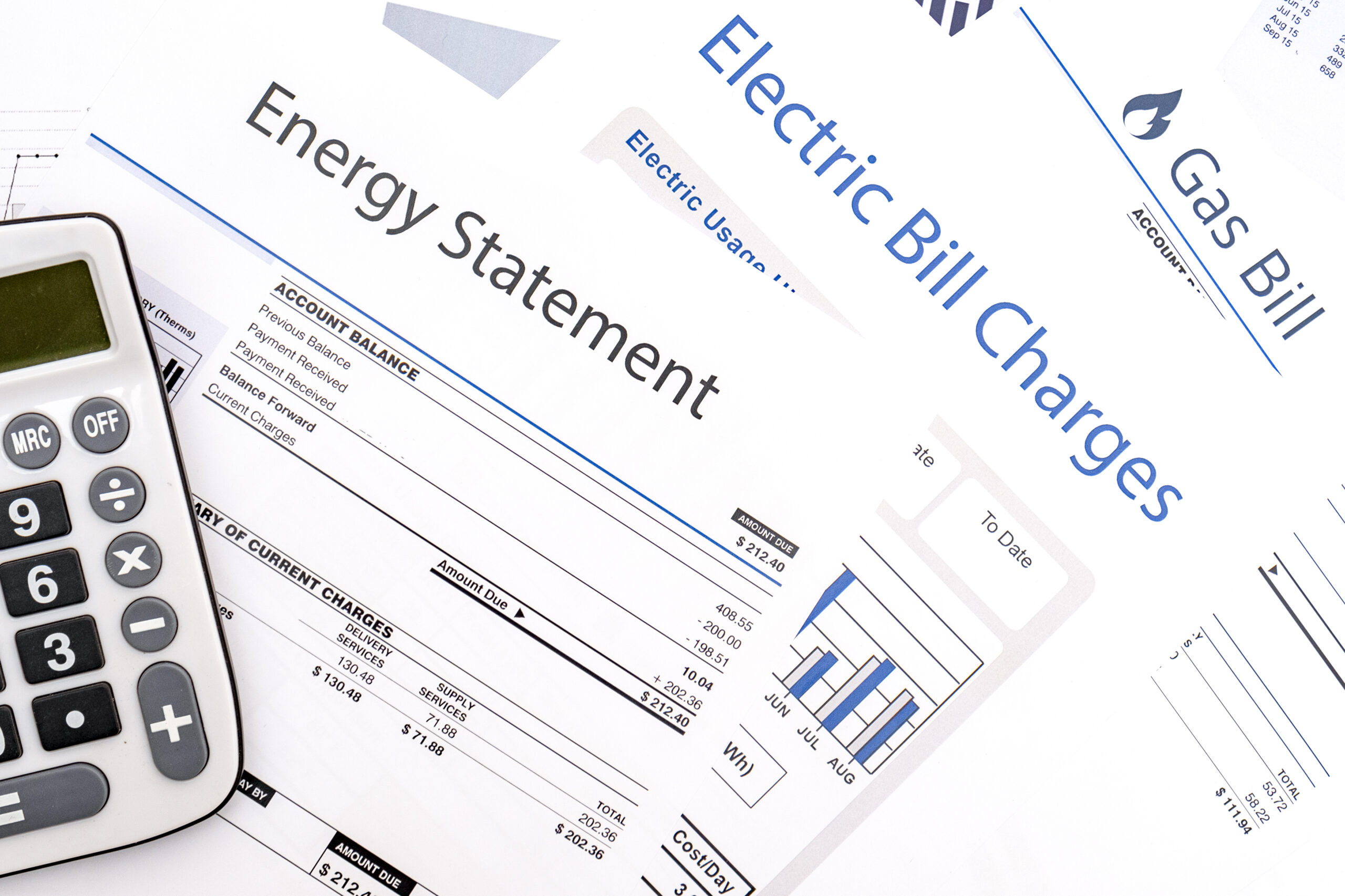
You've probably noticed your monthly utility bill creeping up, even if you haven't changed your habits. It's not just inflation. The culprit is a massive, invisible gold rush for electricity. Right now, giant tech companies are building "AI factories" that eat more power than entire cities. Historically, when a utility company builds new lines or plants to support these giants, they pass the bill to you, the residential ratepayer.
President Trump's latest strategy aims to flip that script. During his 107-minute State of the Union address earlier this week, he unveiled a "ratepayer protection pledge." The goal is simple: if Big Tech wants to build massive data centers, they have to "pay their own way."
It's a bold move. It’s also a necessary one. Our national grid is an aging relic, and it's currently being asked to support a 21st-century AI boom it was never designed for.
The Problem With Our Antique Grid
The U.S. electrical grid is old. Most of it was built decades ago. We're now seeing a surge in demand that is frankly mind-blowing. In 2023, data centers used about 4% of total U.S. electricity. By 2028, experts at the Lawrence Berkeley National Laboratory expect that to hit up to 12%.
In some places, the "interconnection queue"—the line to get new projects hooked up to the grid—is years long. Utilities are seeing hundreds of gigawatts in new requests. For context, 700 gigawatts of requests were filed in early 2025 alone. That's more than the entire U.S. consumed in all of 2023.
When a utility company sees this kind of demand, they don't just say no. They build. They build new natural gas plants, they delay closing old coal plants, and they string up miles of expensive high-voltage lines. Under the current "regulated utility" model, those costs are shared among everyone. That means you pay more for your morning toast so a trillion-dollar company can train a chatbot.
Making Tech Giants Build Their Own Power
The "ratepayer protection pledge" is the administration’s attempt to stop this cost-shifting. Trump isn't just asking these companies to pay a higher rate. He’s telling them to build their own power plants.
"They can build their own power plants as part of their factory, so that no one’s prices will go up," Trump said during the speech.
Think about that. Instead of leaning on the local grid, a company like Microsoft or Google would be expected to build a dedicated natural gas or nuclear facility right next to their data center. This "behind-the-meter" generation keeps the tech giants off the public grid. It ensures that the massive "spikes" in demand don't destabilize the neighborhood's supply.
Some companies are already jumping on this.
- Meta recently stated they already pay the full costs for their energy.
- OpenAI committed to "paying our own way" for their $500 billion Stargate project.
- Google is testing a "clean transition rate" where they fund new geothermal or solar projects specifically for their own use.
The Oil Factor and Energy Dominance
You can't talk about this without talking about "Energy Dominance." The administration’s plan relies heavily on ramping up domestic oil and gas production. The logic is that more supply equals lower prices.
Trump has declared a national energy emergency to fast-track fossil fuel projects. By pushing for more drilling and streamlining permits for pipelines, the goal is to flood the market with cheap natural gas. Since most data centers currently rely on gas-fired "peaker" plants to handle high loads, the administration believes "pumping more oil" (and gas) is the only way to keep the AI lights on without bankrupting the average American.
However, there's a catch. Renewable energy—specifically solar and wind—is often cheaper to build from scratch today. Even with the administration's focus on fossil fuels, 2025 saw renewables outperforming expectations. The market is basically pulling in two directions. The government wants more oil and gas; the tech giants want whatever is fastest and cheapest to keep their servers running.
Why This Pledge Might Be Hard to Enforce
It's important to be honest here: this pledge is currently non-binding. It’s a "handshake deal" between the White House and tech CEOs.
There are massive legal hurdles. Most electricity is regulated at the state level, not the federal level. If a state utility commission decides that a data center brings enough jobs to justify a tax break or a discounted energy rate, the federal government can't easily stop them.
We’re also seeing a "bipartisan" push in Congress to make these rules stick. Senators Josh Hawley and Richard Blumenthal introduced the GRID Act. If passed, it would legally require any new data center using more than 20 megawatts to find its own power source. It would give existing data centers a 10-year "off-ramp" to get off the public grid.
What This Means for Your Wallet
If the pledge works, your power bill should stabilize. By forcing the biggest users to build their own infrastructure, the local utility doesn't have to raise rates to cover billion-dollar upgrades.
But there’s a risk. If these tech companies start building their own private "micro-grids," they might stop contributing to the maintenance of the public grid altogether. This could leave a smaller number of residential customers footing the bill for the existing wires and poles.
Real-world impact by the numbers:
- Virginia: In "Data Center Alley," prices have jumped significantly over the last five years because of infrastructure build-outs.
- National Average: Electricity prices rose 11.5% in 2025, faster than general inflation.
- The Target: Trump previously vowed to cut electricity prices in half within 18 months. We’re not there yet—prices are actually up—but this data center move is the "hail mary" to get those numbers down before the midterms.
How to Protect Yourself from Rising Costs
Don't wait for the government or Big Tech to solve your bill. While the policy debate rages in D.C., you can take concrete steps now.
- Audit your "Always-On" load: Most homes have "vampire" devices that pull 10% of their power while turned off. Use smart strips to kill the power to your home theater or office setup at night.
- Check for "Time of Use" (TOU) Rates: If your utility is struggling with data center demand, they likely offer cheaper rates late at night. Shift your dishwasher and laundry runs to after 11 PM.
- Watch the Legislation: Keep an eye on local rate cases. If your utility is asking for a double-digit increase, show up at the public hearing or write to your state's Public Service Commission. Ask specifically how much of the rate hike is going toward data center infrastructure.
The era of "cheap, invisible" electricity is over. As AI scales, the fight over who pays for the wires is going to get louder. Whether it's through a voluntary pledge or a new law like the GRID Act, the message is clear: the days of homeowners subsidizing the "Cloud" are coming to an end.
Next Steps: Check your most recent utility bill for an "Infrastructure Charge" or "Rate Adjustment" line item. Search your local utility's name + "data center interconnection" to see if they are currently planning major upgrades in your area. If they are, expect a rate hike request soon. Don't be afraid to contact your state representative to ask where they stand on the "ratepayer protection pledge."