Political survival in Southern California requires a specific kind of armor. Over decades covering municipal scandals from downtown Los Angeles to the South Bay, I have watched mayors weather federal probes, zoning wars, and fiscal collapse. Yet few battlegrounds match the volatile intersection of real estate development, demographic change, and personal scandal that defines modern Inglewood politics. When an executive finds themselves cornered by grave accusations, the playbook rarely changes. Counter-attack, question motives, and frame the controversy as a calculated hit job orchestrated by unseen adversaries.
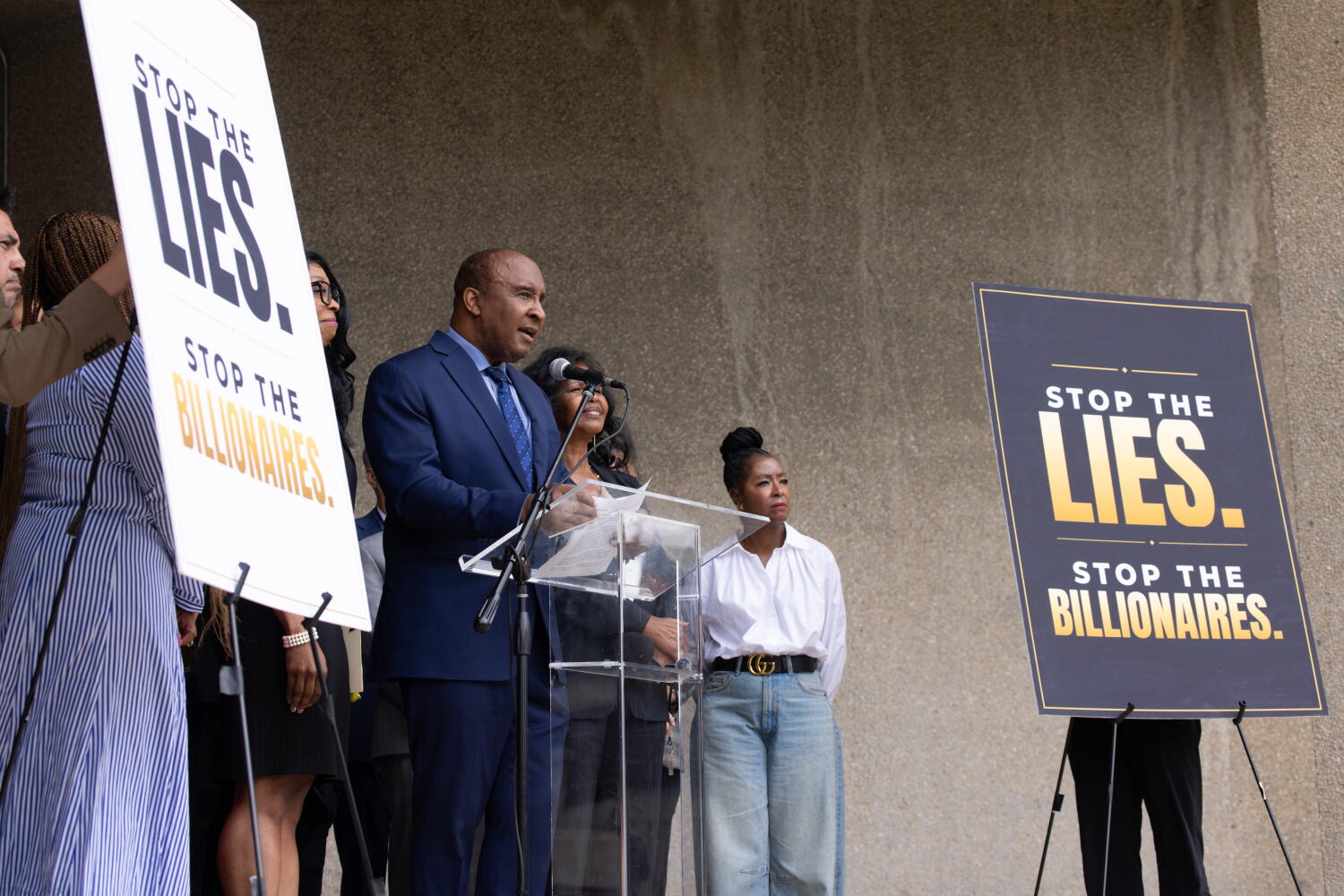
Mayor James Butts finds himself navigating that exact playbook. Amid serious allegations of groping and professional misconduct stemming from historical claims, the administration has pivoted aggressively. Instead of addressing the accusations within a standard institutional framework, the narrative has shifted toward a conspiracy. Rivals, according to the official defense, are weaponizing personal attacks to derail a development boom that has completely transformed the city.
To understand how we arrived at this moment, one must look closely at what Inglewood has become. For generations, the city was viewed through the lens of economic struggle, flight, and the shadow left by the departure of major sports franchises. That equation changed dramatically. The arrival of SoFi Stadium, the ongoing expansion of entertainment infrastructure, and the massive influx of capital turned a quiet suburban municipality into the premier commercial hub of the region. Billions of dollars in real estate value altered the stakes of local governance. When land becomes worth a fortune, political power ceases to be about managing pothole complaints. It becomes a high-stakes corporate enterprise where billions are negotiated behind closed doors.
The specific nature of the allegations introduces a heavy personal gravity into this high-stakes environment. Claims of sexual misconduct carry an immediate, visceral weight that traditional corruption charges lack. They strike at the core of personal character and public trust. When an executive faces such claims, the immediate public reaction divides along predictable partisan and factional lines. Supporters see an engineered distraction designed to halt progress, while critics view the accusations as long-overdue accountability catching up with a powerful figure.
Local political factions have been feuding for years over the distribution of economic benefits from the city's renaissance. Grassroots organizations and neighborhood advocates have consistently argued that the massive stadium projects and commercial developments bypassed the legacy residents who weathered decades of disinvestment. Gentrification pressures, rising rents, and displacement remain raw nerves across the community. Into this volatile social landscape drops a scandal involving the city's most visible and dominant political figure.
The strategy of accusing rivals of running a smear campaign is an ancient political defense mechanism. By claiming that political enemies orchestrated the timing and nature of the allegations, leadership attempts to invalidate the accuser while rallying a loyal base. It frames the controversy not as an inquiry into personal conduct, but as an existential battle for the soul of the city itself. If the mayor falls, the narrative goes, the progress of Inglewood falls with him.
Yet this approach carries profound risks for civic institutions. When every allegation of misconduct is reflexively dismissed as a political conspiracy, public trust in local government erodes entirely. Residents are left in a state of deep cynicism, unable to distinguish between legitimate governance and factional warfare. The institutional damage extends far beyond a single political career. It leaves a permanent scar on the integrity of municipal administration.
Investigating municipal power structures requires looking past the theatrical statements issued by public relations teams and examining the structural realities on the ground. The financial interests tied to Inglewood's ongoing transformation are staggering. Real estate speculators, construction conglomerates, and regional transport authorities all have millions resting on political stability. When leadership faces severe personal jeopardy, those financial interests suddenly become very nervous. Stability is the primary currency of urban development, and scandal is the ultimate destabilizing force.
The allegations against Mayor Butts have forced a reluctant conversation about accountability versus progress. For years, supporters excused authoritarian management styles and bare-knuckle politics because the results were undeniable. Downtown Inglewood was revitalized. Crime rates shifted. The tax base expanded exponentially. The unspoken bargain offered to the electorate was simple: accept heavy-handed leadership in exchange for unprecedented economic revival.
Scandals of this magnitude rupture that bargain. They force citizens and stakeholders to reevaluate the true cost of rapid modernization achieved under centralized, unyielding authority. As the legal and public relations battles unfold, the underlying friction between legacy community needs and corporate-driven expansion remains entirely unresolved.
The investigation into these claims will ultimately play out through legal channels, media scrutiny, and public opinion. But the broader reckoning for Inglewood goes deeper than any single courtroom verdict or press conference. It exposes the fragile architecture of modern urban revitalization, where billions of dollars in development rest upon the personal durability of a single political figure standing in the crosshairs of ambition and accusation.