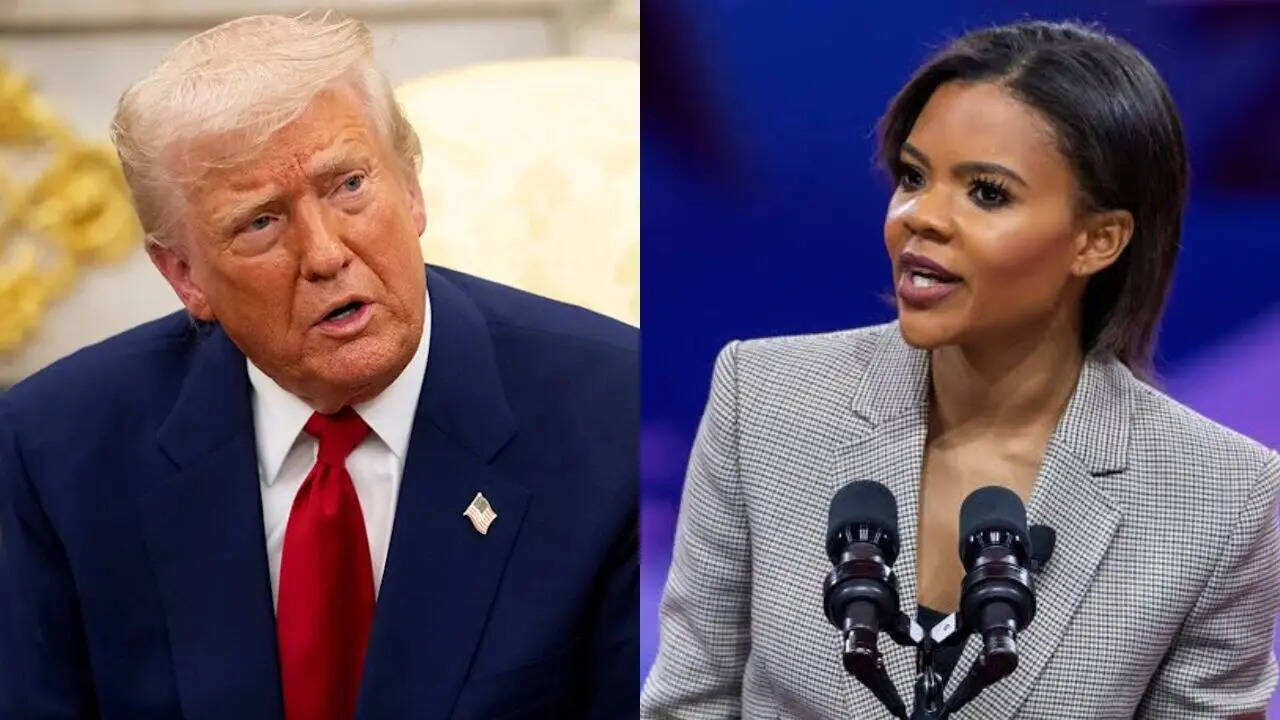
The gloves aren't just off. They've been shredded and tossed in the trash. During a recent fiery address, the President didn't hold back, taking direct aim at the growing influence of the "alternative media" ecosystem. Specifically, he targeted high-profile figures like Candace Owens and Tucker Carlson. He didn't just disagree with their politics. He went for the jugular, questioning their intelligence and calling them "low IQ" opportunists who trade national stability for clicks.
It’s a massive shift in how the White House handles online critics. Usually, the strategy is to ignore the noise. You don't feed the trolls, right? Not anymore. By naming these podcasters and pundits directly, the President is signaling that the administration views them as a genuine threat to public discourse rather than just fringe voices. He called them out for chasing cheap publicity. He labeled them losers. It’s the kind of rhetoric we usually see in a heated primary, not from behind a podium in the East Room. For a different look, check out: this related article.
Why the White House is Targeting Podcasters Now
The math is simple. Audience reach is shifting. For years, the executive branch focused on the "big three" networks and major newspapers. That's old world. Now, a single episode of a popular podcast can rack up more views than a primetime news slot. When Tucker Carlson or Candace Owens drops a video, it spreads through social feeds like wildfire. The administration knows this. They aren't just annoyed; they're reacting to a power dynamic they can't control through traditional press briefings.
The President's frustration stems from what he describes as a "race to the bottom." In his view, these creators aren't interested in policy or nuance. They want the viral moment. They want the clip that gets shared ten million times because it makes people angry. He argued that this business model rewards misinformation. If you say something sensible, nobody watches. If you say something outrageous, you're the top of the charts. He's tired of it. Further analysis on this matter has been published by Associated Press.
The Specific Beef With Owens and Carlson
It isn't a secret that Candace Owens and Tucker Carlson have built their brands on being thorns in the side of the establishment. Owens has been relentless in her critique of modern social programs and cultural shifts. Carlson has moved his entire operation to a more independent, less-filtered format where he tackles everything from foreign policy to domestic conspiracies.
The President’s "low IQ" comment was a calculated insult. It’s meant to devalue their expertise. By calling them "losers chasing cheap publicity," he’s trying to frame their work as a desperate cry for attention rather than a legitimate journalistic or activist endeavor. He’s telling his base—and the undecided middle—that these aren't people you should take seriously. They’re just people looking for a payday.
Owens and Carlson don't usually stay quiet when attacked. Their whole platform is built on being "canceled" or attacked by the elite. In many ways, the President gave them exactly what they want. He gave them more content. He became the "villain" in their next broadcast. This creates a feedback loop that’s hard to break. The President calls them names, they use those names to prove they’re "hitting a nerve," and their audience grows.
The Impact of Cheap Publicity on Public Policy
Words have consequences. When the leader of the country spends time during a formal address to bash podcasters, it changes the national conversation. Instead of talking about the economy or healthcare, we’re talking about a playground spat. But maybe that’s the point. Maybe the administration feels that these voices have become so loud they’re actually blocking the path of real policy implementation.
Think about the vaccine debates or foreign aid packages. In both cases, independent podcasters played a huge role in shaping public opinion, often in direct opposition to the government's narrative. The President sees this as sabotage. He sees it as people with no skin in the game messing with the gears of government just to sell supplements or get more subscribers. It’s a cynical view of the creator economy, but from his seat, it probably looks accurate.
Moving Past the Rhetoric
We have to look at what this means for the future of political communication. If the President is going to engage in this kind of name-calling, the line between "statesman" and "influencer" gets even thinner. It’s a messy way to govern. It’s loud, it’s angry, and it’s very personal.
Don't expect Owens or Carlson to back down. They’ll likely lean into the "low IQ" label as a badge of honor, claiming the "elites" are just scared of their message. It’s a classic play. If you want to stay informed, you have to look past the insults. Look at the actual points of contention. The President is mad because these creators are winning the attention war.
Stop letting the name-calling distract you from the actual data. Check the sources of the claims made on both sides. When a politician calls someone a "loser," they're trying to win an emotional argument because they might be losing the logical one. When a podcaster claims the world is ending, they're usually trying to keep you from clicking away. The truth is usually found in the boring middle ground that doesn't make for a good headline or a viral clip. Pay attention to the policies, not the personalities.


