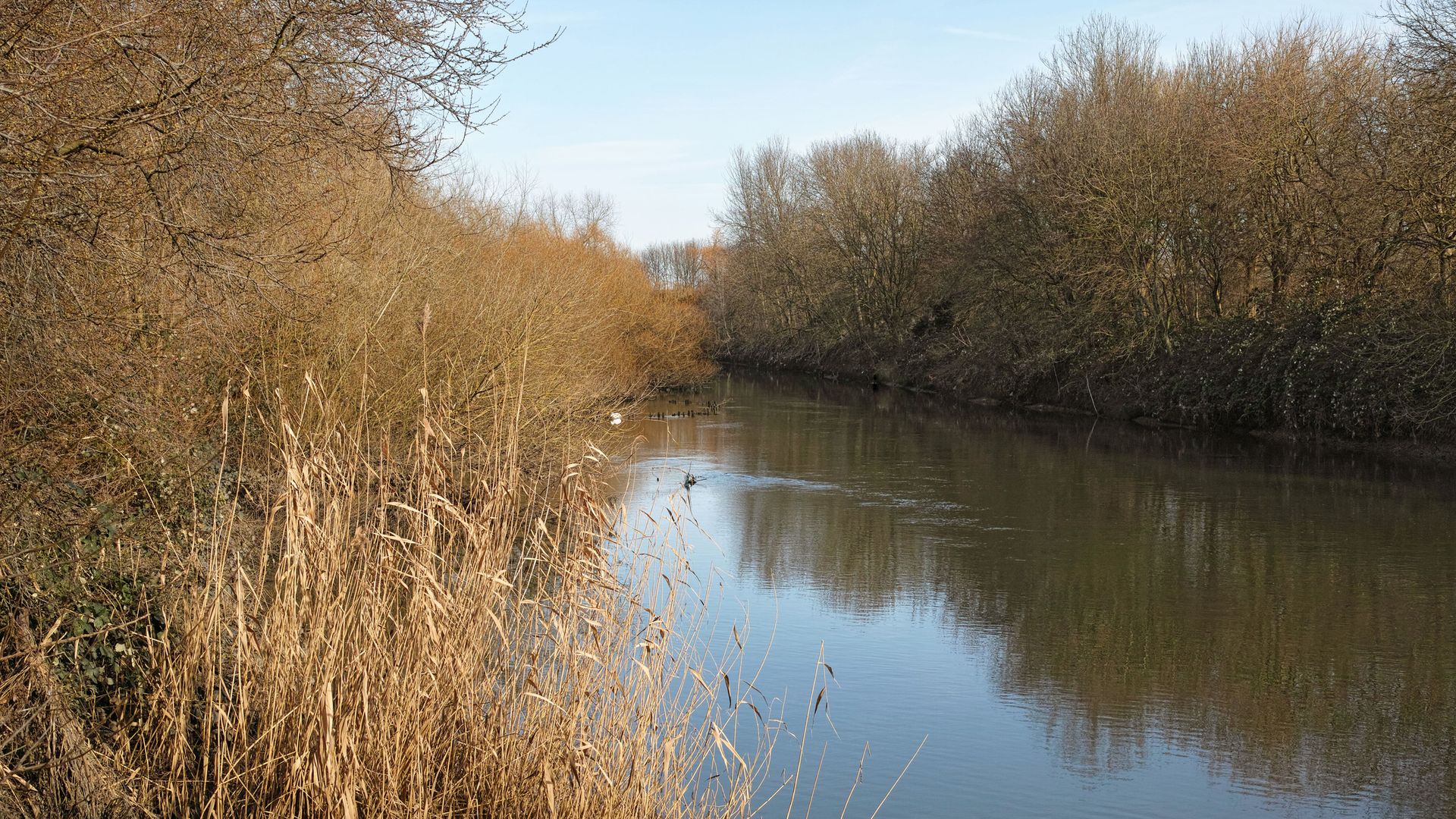
A twelve-year-old boy enters a local river and never surfaces, leaving behind a family shattered by unimaginable loss and a community searching for answers in the cold water. The incident follows a heartbreaking pattern that repeats itself across waterways every single summer. Emergency responders pull the child from the current hours later, labeling the event a tragic accident.
Yet calling these events accidents absolves institutions of systemic failures.
Rivers are deceptive predators. They lack the visible boundaries of swimming pools and the lifeguarded perimeters of public beaches. They possess hidden undercurrents, shifting silt bottoms, and cold thermal layers that can trigger sudden incapacitation in minutes. When a child drowns in a river, the public narrative usually focuses on individual vigilance or parental oversight. That framing misses the larger structural breakdown. We treat natural waterways as recreational spaces without implementing the environmental safety architecture required to manage them safely.
The Illusion of Safety in Natural Waterways
Decades of reporting on public safety reveal a stark disconnect between how people perceive open water and how water actually behaves. A swimming pool offers clear sightlines, controlled depths, and immediate rescue personnel. A river offers none of these things.
Water safety education consistently emphasizes personal responsibility. Swimmers are told to know their limits, check the current, and stay near the shore. These guidelines fail children and adolescents. Young minds underestimate physical power and overestimate their own stamina. When a twelve-year-old steps into a river, they do not perceive a dynamic hydraulic system capable of sweeping an adult off their feet. They see a place to cool off on a hot afternoon.
Municipalities share a heavy burden of responsibility. Many popular river access points lack basic safety infrastructure. Warning signage is often weathered, missing, or pitched at a reading level unsuited for children. Life ring stations are frequently vandalized or absent entirely. Local governments hesitate to install aggressive safety measures because doing so might imply liability or discourage public use of natural areas. This reluctance costs lives.
Understanding the Hidden Mechanics of River Drowning
The physical mechanics of river drowning differ fundamentally from pool or ocean incidents. Cold shock is the primary invisible threat. Even on a ninety-degree day, inland rivers fed by mountain runoff or deep groundwater can maintain temperatures below sixty degrees Fahrenheit.
When a body enters cold water, the mammalian dive reflex triggers an involuntary gasp. If a swimmer is underwater when this gasp occurs, they inhale water immediately. Panic sets in instantly. The heart rate spikes, blood pressure surges, and swimming technique breaks down within seconds.
Subsurface hazards compound the danger. Replicating a typical river rescue scenario reveals how quickly a minor misstep turns fatal. Imagine a child stepping off a shelving ledge into a deeper channel. The current accelerates over a smooth bedrock lip, creating a localized hydraulic drop. The water rolls back on itself, trapping objects and swimmers against the current. A strong swimmer caught in this recirculating flow struggles against an invisible wall of water. Without specialized knowledge of how to dive down and swim out along the bottom, exhaustion claims them within minutes.
Traditional public awareness campaigns ignore these physical realities. They rely on vague warnings about caution rather than teaching specific survival tactics. Telling a child to be careful in a river is useless. Children need to understand how currents work, what a boil looks like on the surface, and how to float defensively if caught in fast-moving water.
The Regulatory Vacuum and Community Response
Public land management agencies operate under conflicting mandates. They encourage outdoor recreation and tourism while managing the inherent risks of wild environments. This tension leads to an inconsistent patchwork of safety policies along major river systems.
Some jurisdictions invest heavily in swift-water rescue teams, public education programs, and physical barriers at high-risk swimming spots. Others take a hands-off approach, relying on reactive emergency response rather than proactive prevention. When a drowning occurs, resources pour into the recovery operation, but funding for preventive infrastructure rarely follows.
Community advocacy groups often step into the vacuum left by local government inaction. Grassroots organizations install loaner life jacket stations along popular river banks. They partner with school districts to integrate open-water survival training into physical education curricula. These localized efforts save lives, but they remain dependent on volunteer energy and private donations rather than stable public funding.
Liability fears continue to paralyze institutional reform. Municipalities worry that installing life rings or warning signs creates an assumption of safety that exposes them to lawsuits if a drowning occurs. Legal frameworks must evolve to protect public entities that make good-faith efforts to secure dangerous natural recreation areas. When the law penalizes proactive safety measures, neglect becomes the path of least resistance.
Shifting the Paradigm of Water Safety
Preventing future tragedies requires dismantling the assumption that river drownings are unavoidable acts of fate. We must treat wild waterways with the same regulatory seriousness applied to public roadways and construction sites.
Infrastructure improvements must become standard practice along recreational rivers. High-risk zones require physical deterrents, clear hazard markers indicating undercurrent strengths, and accessible flotation devices installed at regular intervals. Emergency communication towers should be placed near remote access points where cellular service fails.
Educational institutions must update their water safety frameworks. Standard swim lessons taught in heated indoor pools do not prepare children for the sensory assault of murky, cold, fast-moving river water. Curricula must incorporate open-water scenarios, teaching children how to handle unexpected immersion, react to cold shock, and navigate currents safely.
The loss of a child in a river leaves a permanent scar on a community. Honoring that grief requires more than temporary mourning. It demands structural accountability, realistic safety infrastructure, and an unyielding refusal to accept preventable deaths as the cost of enjoying the natural world.