Six months ago, the horizon caught fire.
Most of us watched it happen through a piece of glass, a five-inch screen glowing in a dark room while the coffee went cold. We saw the smoke plumes over the shipping lanes, the sudden flash of intercepted steel in the desert night, the grim anchors on cable news talking about supply chains and strategic chokepoints like the Strait of Hormuz. We shook our heads. We muttered about gas prices. Then we went back to our emails.
Distance is a luxury. For half a year, we have lived safely cushioned by thousands of miles of ocean, land, and routine, assuming that a conflict in the Middle East is something that happens over there. Something watched, analyzed, and eventually filed away into the archives of distant history.
Except economic shockwaves do not respect borders, and they certainly do not care about distance.
Consider a hypothetical freight forwarder named Marcus, sitting in a drab, windowless office in Rotterdam. Marcus doesn't care about geopolitics for its own sake; he cares about containers. He cares about diesel. Six months into this conflict, Marcus’s world has shrunk. The ships carrying electronics from Asia, the machinery parts from Europe, the raw inputs for everyday manufacturing—they aren't taking the shortcut through the Red Sea anymore. They can't. The risk of a drone strike or a hijacked hull is simply too high.
So they turn south. They round the Cape of Good Hope.
Add thousands of miles to every voyage. Add weeks of extra fuel consumption. Add skyrocketing insurance premiums for vessels daring to cross volatile waters. Multiply that single container by tens of thousands crossing the globe every single day.
Suddenly, the cost of moving a box from a factory floor to a storefront has doubled, then tripled. And Marcus isn't absorbing that cost. Neither is the shipping conglomerate.
Consumers pay.
We feel it at the grocery store checkout. We feel it when the utility bill arrives, bloated by fluctuating energy markets. We feel it when we try to buy a new appliance or fix a broken car and discover that the necessary component is sitting on a tanker burning extra fuel off the coast of Africa. The Iran war is exacting an economic toll, but it is doing so with surgical, profound inequality.
While the average household stretches a paycheck just a little bit further to cover the basics of modern survival, another group is looking at the ledger and smiling.
Investors prosper.
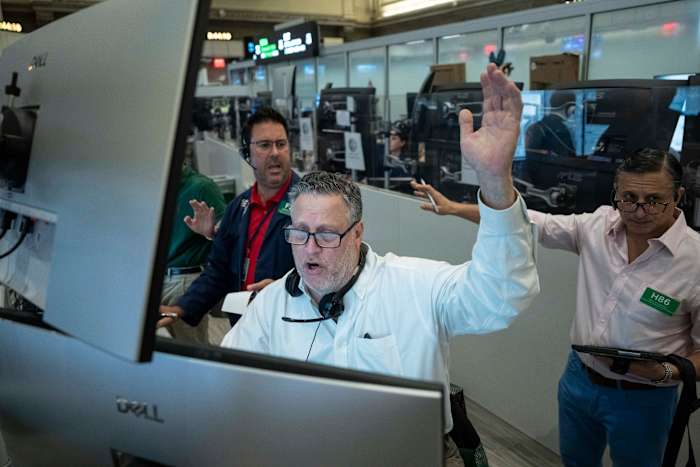
This is the grim paradox of modern conflict. When the world destabilizes, capital flees toward certainty. Defense contractors see order books swell to sizes not seen in a generation. Energy giants reap windfall profits as oil prices surge on the mere whisper of supply disruptions. Speculators who positioned themselves correctly six months ago are cashing out, their portfolios fattened by the very volatility that is crushing small businesses and weighing heavily on working families.
It is an uneven toll. That phrase sounds sterile when you read it in a financial report. It sounds like an academic abstraction. An uneven economic toll.
Let’s translate what that actually means.
It means a bakery in Ohio closing its doors because the cost of natural gas to run the ovens spiked beyond sustainability, while three thousand miles away, a hedge fund manager allocates capital into a booming aerospace stock and books a record quarter. It means a young couple postponing their first home purchase because inflation, stoked by commodity shocks, pushed mortgage rates just out of reach.
Wars are fought with munitions, but they are sustained by logistics, and their aftershocks ripple through the delicate web of global commerce long after the initial headlines fade. Six months in, the initial panic has worn off. The markets have adjusted. Traders have priced in the chaos. The volatility has become the new normal.
That normalization is the most dangerous part.
When disruption becomes routine, we stop asking why things cost more. We accept the shrinkflation on the grocery shelves. We accept the creeping rise in utility rates. We accept that wealth is quietly concentrating in the hands of those insulated from the damage, while the burden is distributed downward onto shoulders already tired from years of economic turbulence.
We are paying a hidden tax on a war we are not fighting.
The ships will eventually return to the shorter routes. The smoke over the shipping lanes will clear. But the reallocation of wealth that happened over these past six months—the quiet transfer of capital from the many who pay to the few who profit—will leave a mark that outlasts the conflict itself.
The horizon is quiet tonight. But the receipt is already in the mail.