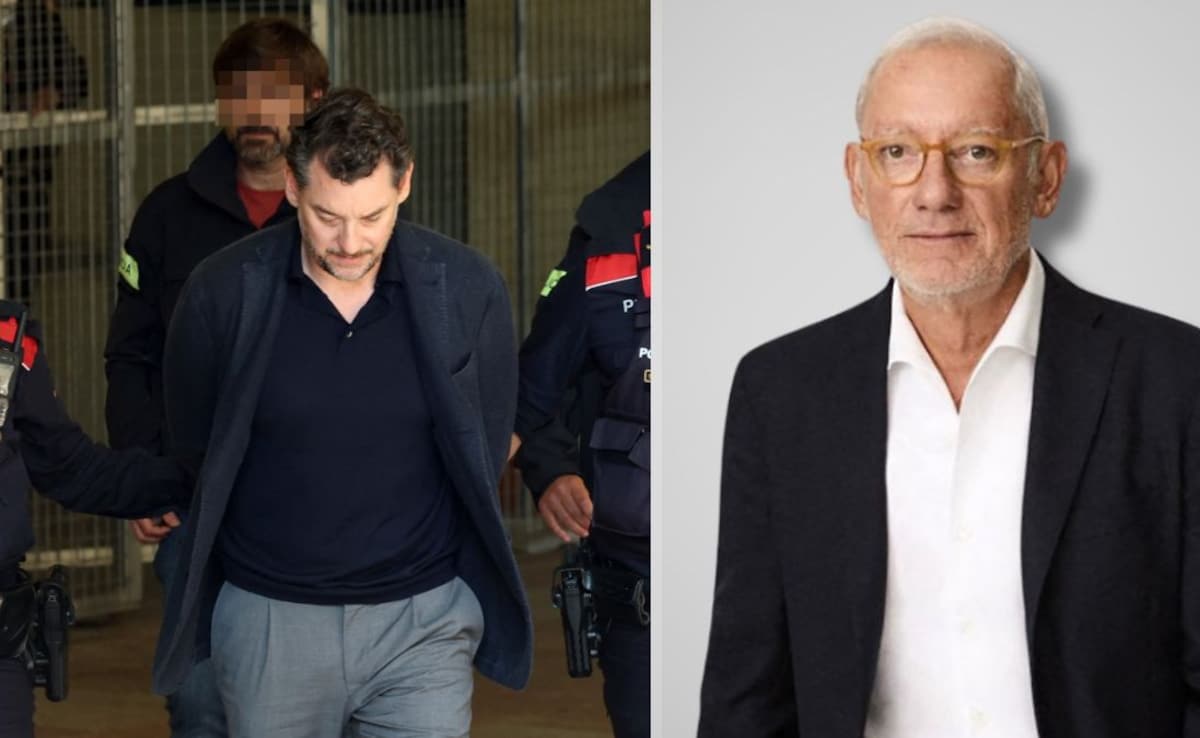
The marble floors of a billionaire’s estate feel entirely different from the concrete of a Spanish holding cell. One radiates quiet, generational power. The other absorbs sound, light, and hope.
For decades, the name Andic has been synonymous with the pinnacle of global fashion. Isak Andic founded Mango, transforming a single shop in Barcelona into a multi-billion-dollar empire that dictates what millions of people wear every single day. It is a world of fabric, aesthetics, runway shows, and immaculate public relations. But luxury cannot insulate a family from the cold reality of a criminal homicide investigation. Expanding on this idea, you can also read: Why Western Sanctions on Afghanistan are the Real Cause of Child Sales.
When the news broke that a Spanish court set a $1 million bail (€920,000) for Jonathan Andic, the founder’s son and a former high-ranking executive within the fashion dynasty, the numbers flashed across financial terminals and news tickers. To the markets, it was a data point. To the public, it was a glimpse into a high-stakes legal drama. But beneath the staggering wealth and the dry legal terminology lies a messy, deeply human tragedy that no amount of money can neatly resolve.
The Weight of a Million Dollars
A million dollars is an abstract concept to most. It represents a lifetime of savings, a dream home, or total financial security. In the upper echelons of European commerce, it is the price of a temporary pass out of a prison cell while waiting for a judge to decide your fate. Experts at The Guardian have also weighed in on this trend.
The decision by the instructing judge to grant bail in a murder inquiry is a high-stakes legal tightrope. Under Spanish law, provisional detention without bail is reserved for cases where the risk of flight, destruction of evidence, or reoffending is severe. By setting the bail at a seven-figure sum, the court acknowledged two things simultaneously: the gravity of the allegations and the immense financial resources of the accused.
Consider the mechanics of the justice system when wealth enters the courtroom. For an ordinary citizen, an impossibly high bail is a de facto life sentence behind bars while awaiting trial. For the heir to a retail fortune, the sum is accessible, yet the psychological weight remains. The money is paid, the heavy iron doors swing open, and the accused steps out into the Mediterranean sun. But freedom under these conditions is an illusion.
Passports are confiscated. Weekly check-ins at the courthouse become the new routine. The world shrinks. The wealth that once bought privacy and comfort now ensures that every movement is scrutinized by investigative journalists, corporate boardrooms, and prosecutors.
Shadows Over the Empire
To understand why this legal battle has sent shockwaves through the business world, one must understand what Mango represents. This is not just a company; it is a meticulously crafted image of modern, sophisticated Mediterranean lifestyle. Isak Andic built it from nothing, arriving in Barcelona as an immigrant and constructing a retail juggernaut that rivals Zara.
Jonathan Andic was not just a passive beneficiary of this wealth. He was groomed for succession. He stepped into executive roles, managing creative direction and corporate strategy. He walked the halls of power, rubbed shoulders with cultural elites, and carried the responsibility of safeguarding a family legacy.
When a member of such a dynasty is implicated in a murder inquiry, the corporate facade cracks. The contrast is jarring. On one side of the ledger are the seasonal collections, the sustainable fabric initiatives, and the soaring profit margins. On the other side is a forensic file, a judge’s stern decree, and a family name dragged into the grim reality of a criminal court.
The true burden of this situation does not fall on the corporate entities or the stock prices, which often fluctuate and recover based on market whims. It falls on the human beings caught in the wake of the accusation. A family patriarch watches his life's work become the backdrop for a true-crime headline. Defense attorneys work past midnight in wood-paneled offices, dissecting police reports. Somewhere, a victim's family watches the news, grappling with the bitter realization that wealth changes the tempo of justice.
The Mechanics of Discretion
The legal process in Spain moves with a deliberate, sometimes agonizing slowness. An instructing judge wields immense power during the investigative phase, acting as both investigator and gatekeeper of civil liberties.
In high-profile cases, the pressure on these judicial officers is immense. Grant bail, and the public cries foul, alleging that the rich buy their way out of consequences. Deny bail, and the defense argues that the presumption of innocence is being violated for the sake of a media spectacle.
The court's insistence on a massive financial guarantee is a systemic compromise. It binds the accused to the jurisdiction through their assets. If Jonathan Andic were to flee, the money is forfeited, and the family name is permanently ruined. The bail is not a punishment; it is a tether.
But the tether stretches across a vast social divide. The reality of the legal system is that it forces us to confront uncomfortable truths about equality before the law. The law is written to be blind, yet it cannot help but notice the size of a defendant's bank account when determining the logistics of their detention.
Beyond the High Walls
The media coverage will eventually thin out. The headlines will transition from front-page scandals to minor updates buried in the legal sections of European newspapers. The fashion world will move on to the next season, the next trend, the next marketing campaign.
But for the individuals inside the circle of this investigation, time has slowed down to a painful crawl.
Imagine the quiet inside the Andic family residences. The wealth is still there. The art on the walls, the manicured gardens, the security details at the gates—none of it has vanished. Yet the atmosphere is irrevocably altered. Every phone call carries a potential update from the legal team. Every public appearance is calculated, parsed for weakness or arrogance.
The son of the billionaire steps out of the courthouse, flanked by lawyers who shield him from the camera flashes. He enters the back of a darkened vehicle. The doors close with a muted thud, cutting off the shouting of reporters and the noise of the city.
The vehicle pulls away, moving through the streets of Barcelona, passing the very stores that bear his family's name. The neon signs glow brightly, casting a long shadow over a man who discovered that a million dollars can buy a temporary release from a cell, but it cannot buy a clean slate.


