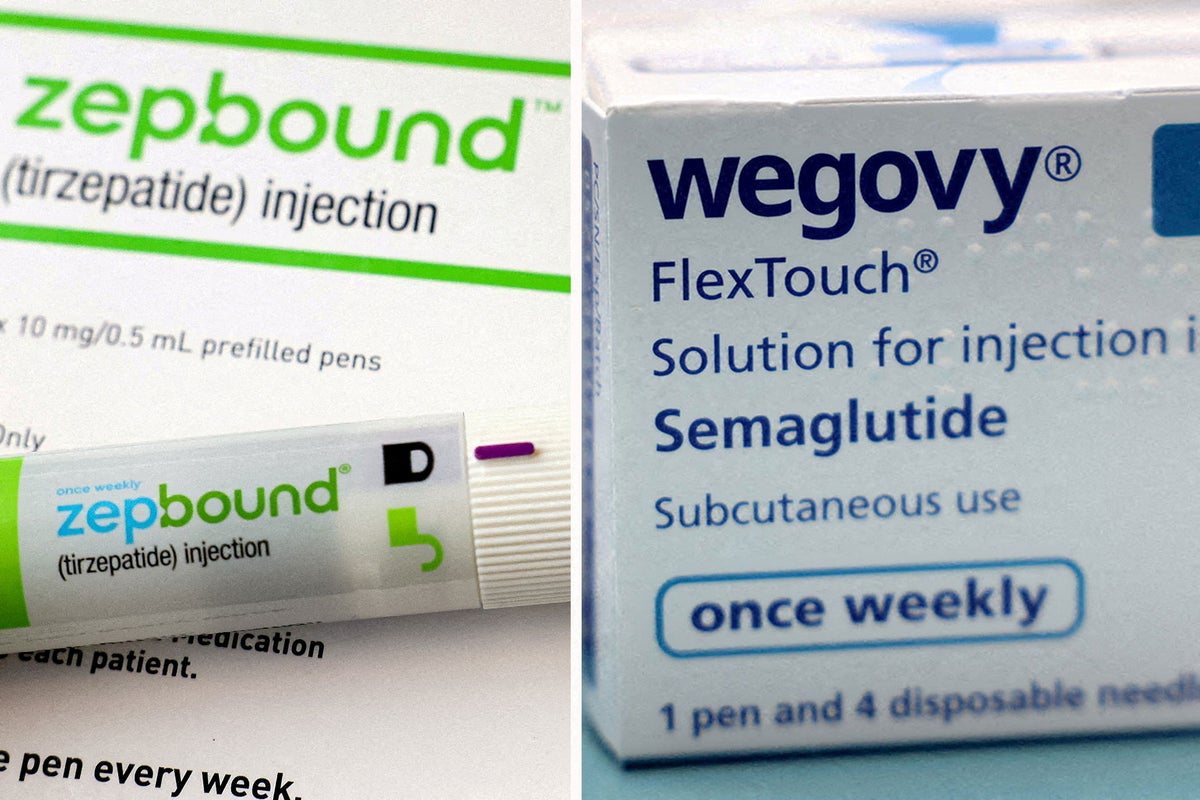
Every Tuesday morning, a woman named Sarah sits at her kitchen table in Ohio, staring at a small plastic pen. Inside is a clear liquid called Wegovy. She wipes her thigh with rubbing alcohol, presses the needle down, and waits for the click. For Sarah, this is not about vanity. It is about a lifelong war with her own biology, a relentless hunger that felt less like an appetite and more like a screaming alarm bell that never turned off. The medication mutes the alarm. It works.
But there is a second, sharper sting that has nothing to do with the needle. It happens at the pharmacy counter. Recently making news in related news: The Hidden Cost of the Cradle.
Sarah pays more than one thousand dollars every month out of pocket. Her insurance company considers the drug a lifestyle luxury, like Botox or teeth whitening. To them, obesity is still viewed as a moral failing, a lack of willpower that can be solved with a gym membership and fewer carbs. Meanwhile, three thousand miles away in Copenhagen, the executives at Novo Nordisk are mounting a massive, quiet campaign to change how the financial machinery of healthcare values a human life.
The battle lines are drawn. On one side is a pharmaceutical giant trying to force insurers to foot the bill. On the other are the gatekeepers of health insurance, terrified of the catastrophic strain these astronomical prices could place on their bottom lines. Caught in the middle are millions of people who finally see a exit ramp from a chronic disease, only to find it blocked by a toll booth they cannot afford. More information on this are explored by Medical News Today.
The Chemistry of Desire
To understand why a company would lobby governments and corporate boards to cover a weight loss jab, you have to understand what happens inside the brain when the biological switch is flipped. For decades, the cultural consensus was simple. Eat less, move more. If you are heavy, it is your fault.
But medical science has quietly dismantled that myth.
Obesity is a complex, relapsing metabolic disease. When Sarah takes her weekly dose, she is injecting a synthetic version of GLP-1, a hormone her body is supposed to naturally produce after a meal to signal fullness. In a healthy system, the hormone whispers to the brain that the tank is full. In a body with obesity, that whisper is often drowned out by a genetic and chemical torrent. The drug does not just burn fat; it chemically rewrites the internal dialogue of desire.
Consider the sheer scale of the crisis. Over forty percent of American adults live with obesity. It is an epidemic that underpins almost every major chronic killer of our time, from type 2 diabetes and stroke to cardiovascular disease and joint degeneration. The medical community knows this. Novo Nordisk knows this. Yet, the insurance framework remains stuck in the nineteen-seventies, treating weight management as an aesthetic choice rather than a medical necessity.
The Trillion-Dollar Math Problem
The corporate strategy behind the push for insurance coverage is not born out of pure altruism. Novo Nordisk has become Europe’s most valuable company on the back of these weight loss injections. But they have hit a ceiling. The pool of wealthy individuals who can pay out of pocket indefinitely is shrinking. To sustain their historic growth, they need the deep pockets of employer-sponsored health plans, Medicare, and private insurers.
The argument Novo Nordisk is making to corporate boardrooms is framed entirely around long-term economic survival. They point to data showing that treating obesity today prevents a catastrophic heart attack or kidney failure ten years down the road. It is a pitch based on preventative economics. Spend a little now, save a fortune later.
But the insurers are looking at a completely different set of spreadsheets.
The average American changes health insurance providers every few years. If an insurer pays twelve thousand dollars a year for Sarah’s medication today, they might not reap the financial benefits of her avoided heart attack a decade from now because she will likely be on a competitor's plan by then. For the insurance executive, the math is brutal. The costs are immediate and certain; the savings are distant and speculative.
The sheer volume of potential patients creates a terrifying financial horizon for these companies. If even a fraction of the eligible population gets a prescription covered, the premium costs for every single insured person in the country could skyrocket. It is a financial paradox. A breakthrough medicine exists that could genuinely cure a defining health crisis of the century, but the system built to fund health cannot absorb the cost of its own success.
The Invisible Stakes
We treat health care as a system of logic, but it is ultimately a system of triage.
Behind closed doors, employers are quietly dropping coverage for weight-loss drugs because the line item on their corporate balance sheet is growing too fast to ignore. They are forcing employees back into the old cycle of blame. When the coverage disappears, patients do not just stop taking the drug; their bodies actively fight to return to their highest weight, a biological rubber band snapping back with terrifying force.
The human cost of this financial chess match is measured in anxiety and inequality. A two-tier system is emerging. The affluent can buy their health, achieving lower blood pressure, reduced systemic inflammation, and a longer life expectancy through private wealth. The working class is left to rely on a broken system that tells them to simply try harder, ignoring the reality that their biochemistry is stacked against them.
This is the tension that Novo Nordisk is leveraging. By funding advocacy groups, lobbying politicians, and publishing study after study detailing the cardiovascular benefits of their drugs, they are trying to make it socially and politically impossible for insurers to say no. They want to turn public pressure into a vice grip.
The Final Chord
The sun sets outside Sarah’s kitchen window. The empty plastic pen sits in the trash can, a tiny piece of medical engineering that represents both a miraculous scientific triumph and a profound systemic failure. She will lose weight this month. She will also look at her bank account and wonder how many more months she can buy.
The debate over who pays for these injections is not just a corporate skirmish over profit margins and premium caps. It is a mirror held up to our society's deepest anxieties about health, wealth, and human worth. We have finally found a way to ease the heavy burden that millions carry in their own bodies. Now, we are forced to watch as the gatekeepers of our health try to decide exactly how much that lightness is worth.