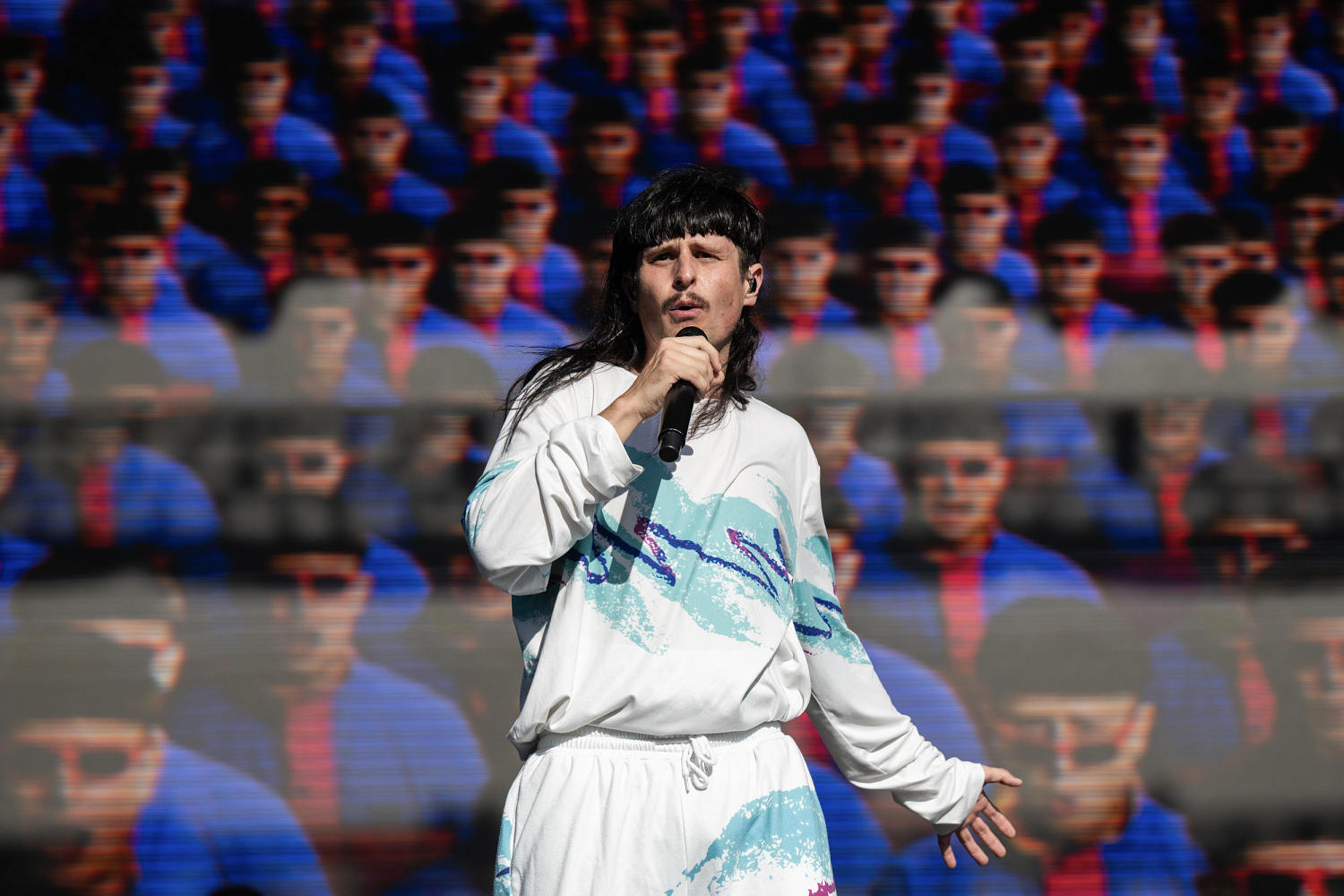
The physical remains of Oliver Tree Nickell arrived back in California on Sunday, June 21, concluding a bureaucratic nightmare that forced his family to navigate a complex international repatriation process following a fatal midair helicopter collision in Rio de Janeiro, Brazil. The 32-year-old alternative pop artist died on June 14 alongside five others when two aircraft clipped each other over the Recreio dos Bandeirantes neighborhood. Because the ensuing impact triggered a massive fire in an electric vehicle parking lot, identifying the bodies required intensive DNA and dental matching, stalling the return of his body for nearly a week.
While fans worldwide process the shocking loss of an artist defined by his bowl-cut haircut and satirical persona, the disaster has exposed deep fractures behind the scenes of his final months. The tragedy occurred during an international tour that many close to him claim he was exhausting himself to fulfill. Furthermore, his sudden demise has triggered a multi-million-dollar battle over an estate that he actively tried to alienate from his own family just weeks prior to the crash. In related updates, take a look at: When Time Stops Standing Inside the Sound of Jill Scott.
The Midair Disaster Over Rio de Janeiro
Aeronautical accidents of this nature rarely stem from a single mechanical failure. Investigators in Rio de Janeiro are focusing heavily on human error, evaluating whether local air traffic control or a severe miscommunication between the two pilots caused the morning collision. Tree was traveling in a helicopter operated by pilot Alexandre Souza, alongside Argentine YouTube star Gaspar "Gaspi" Prim, Lucas Vignale, and Lucas Brito Chaves. Their aircraft crossed paths with a second helicopter piloted by Charles Marsillac, who was flying alone.
The impact was instantaneous. The wreckage plummeted into a commercial vehicle showroom, detonating lithium-ion batteries that fueled an intense, hours-long inferno. Emergency services faced immediate structural hazards, meaning the recovery process was compromised from the opening hours. Vanity Fair has also covered this critical issue in great detail.
For the families involved, the delay in repatriation was not merely a matter of paperwork. Brazil’s Centro de Investigação e Prevenção de Acidentes Aeronáuticos must cross-reference flight manifests with biological data before any remains can cross international borders. The U.S. Embassy eventually intervened to expedite the removal from the local morgue once forensic teams verified the matches, allowing the flight back to California to proceed over the weekend.
The Art of Faking Death Meets Real Tragedy
The internet reacted to the initial news reports with a toxic wave of skepticism. This cynicism was completely understandable given the history of the performer. Throughout his career, Tree weaponized the concept of his own demise as a marketing strategy. He staged elaborate retirement press conferences, held mock funerals on social media, and frequently claimed to have suffered career-ending injuries in scripted publicity stunts.
This history created a bizarre scenario where fans refused to believe the real event had occurred. For the first 48 hours, online forums treated the deadly crash as another piece of performance art designed to promote his fourth studio album, Love You Madly, Hate You Badly.
The reality is far more somber. The contrast between an artist who spent a decade playing an unkillable, absurd cartoon character and the brutal reality of an aviation disaster has left the alternative music community reeling. Fellow musicians like T-Pain and Bebe Rexha have shared tributes that look past the internet memes, focusing instead on the intense, exhausting work ethic that drove his career.
The Secret Will and the Fight for the Millions
The financial fallout from the crash is shaping up to be an ugly, protracted affair. In late April, during an appearance on a prominent digital media circuit, Tree openly stated that he had restructured his will to ensure his biological family would not inherit his wealth. He argued that familial inheritance corrupted creative drive, asserting that his fortune should fund external artistic grants rather than a comfortable life for his relatives.
Representatives confirmed that his estate intends to fulfill a version of this mandate by establishing an endowment titled the Dr. Oliver Tree Extremely Epic Grant for Baby Geniuses. Yet, estate attorneys recognize that verbal declarations on promotional broadcasts rarely hold up against determined legal challenges when millions are at stake.
With an estimated net worth hovering around four million dollars, alongside a highly lucrative catalog of masters and publishing rights for viral tracks like Life Goes On, the legal battle will likely center on his mental state and the formal validity of his final documentation. A sudden death in a foreign country adds layers of jurisdictional confusion. The legal teams must untangle assets spread across international touring accounts, merchandise corporations, and record label structures.
The Atlantic Records Battle That Cast a Shadow Over His Final Days
To understand the intense pressure Tree was under before boarding that helicopter, one must look at his deteriorating relationship with the corporate music system. He had spent the spring publicly fighting his longtime label, Atlantic Records. The dispute centered on a common grievance among modern musicians: the industry's obsession with short-form digital videos.
Tree claimed the label had effectively shelved his latest creative output because he refused to spent his days manufacturing forced internet trends to appease algorithmic metrics. He wanted to make large-scale, conceptual art, while the corporate apparatus demanded constant, disposable output for mobile screens. This corporate standoff forced him to rely heavily on grueling international touring schedules to maintain his independence and finance his elaborate stage setups out of his own pocket.
Living out of suitcases for years without a permanent residence, he pushed his physical limits to remain relevant outside the corporate machinery. The tour in South America was a direct effort to solidify a global fanbase that didn't depend on corporate backing. The commercial reality of modern music means that when an artist breaks with a major label, they lose their financial safety net, making every high-risk international date essential for survival.
The investigation into the collision over Rio de Janeiro will continue for months as flight data and communication logs are analyzed. The physical circus that Oliver Tree constructed around his life has vanished, leaving his family to handle the silent, bureaucratic clean-up in California while corporate lawyers prepare to dissect what remains of his intellectual property.