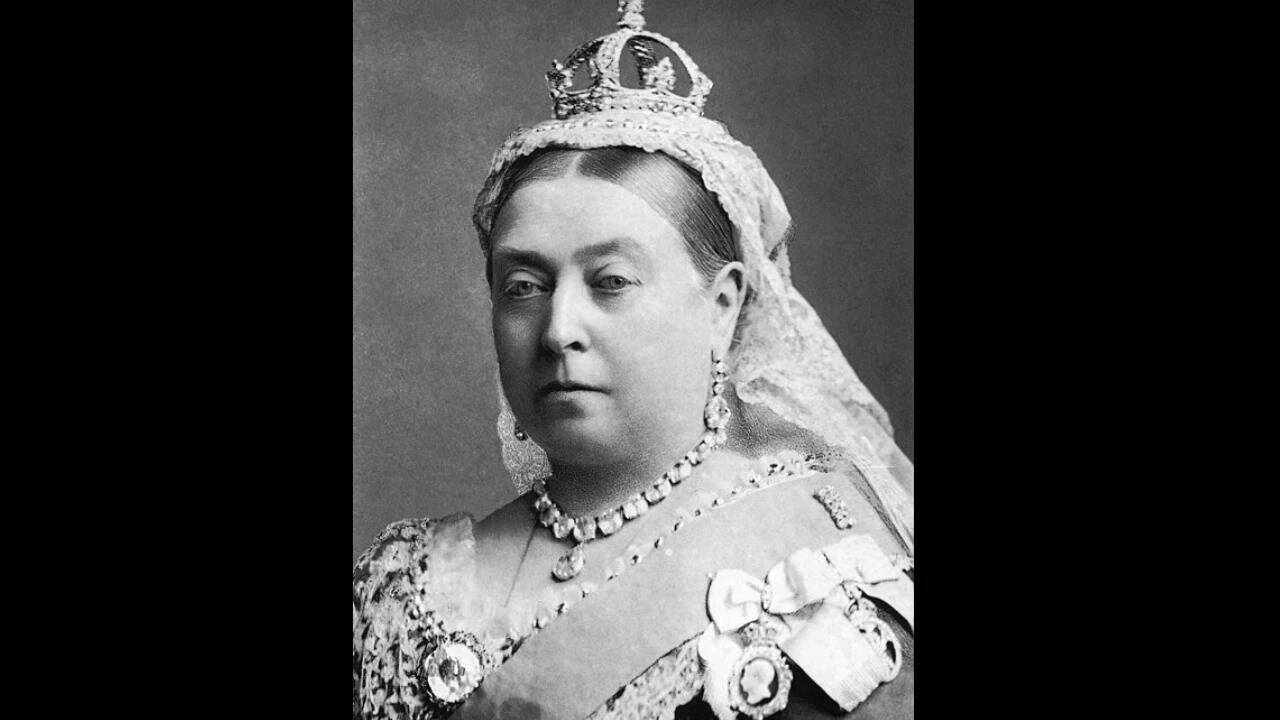
History remembers Queen Victoria through a dense fog of black mourning dresses, strict moral codes, and an empire so vast it covered a quarter of the globe. People forget she was just an eighteen-year-old girl standing in a drafty palace when she heard she was the sovereign. No one hands you a manual for ruling the largest global superpower of the nineteenth century.
When you look closely at her famous diary entry from that exact morning, you realize she wasn't just recording history. She was trying to steady her own shaking hands.
Her exact words echo through time. Since it has pleased Providence to place me in this station, I shall do my utmost to fulfill my duty towards my country. I am very young and perhaps in many things, though not in all, inexperienced, but I am sure that few have more real good will and more real desire to do what is fit and right than I have.
You've probably read variations of that quote on inspirational posters or in dusty biography chapters. Most people miss the raw panic hiding behind the royal phrasing. Victoria wasn't flexing her newfound muscle. She was terrified. She was writing to convince herself she wouldn't completely ruin the country.
The Weight of an Accidental Crown
Let us strip away the royal pageantry for a second. Victoria was not supposed to sit on the throne. Her father was the fourth son of George III, putting her a distant fifth in line for the succession. Her childhood was an isolated cage known as the Kensington System. Her mother and ambitious advisor John Conroy kept her away from other children, monitored her every breath, and never let her walk down a flight of stairs without holding an adult hand.
They wanted a weak, compliant queen they could easily manipulate.
Then her uncle William IV died in the middle of the night. The Archbishop of Canterbury and the Lord Chamberlain rode horses through the dark to Kensington Palace, arriving before dawn. They woke up a half-dressed teenager in her bedroom to tell her the old king was gone.
She did not ask for the job. She did not lobby parliament. She just inherited a massive, volatile mess.
We rarely talk about the sheer shock of sudden responsibility. Most of us spend years preparing for a promotion, a career shift, or a major life milestone. Victoria got a kingdom dropped in her lap before breakfast. Her reaction wasn't arrogance. It was absolute humility mixed with a stubborn refusal to back down.
Moving Past the Widow of Windsor Stereotype
Pop culture loves to flatten historical figures into cardboard cutouts. Victoria gets stuck with the Victorian era caricature. We picture an old woman who hated fun and banned smiling.
That version is completely fake.
Young Victoria was loud, stubborn, emotional, and deeply passionate. She loved dancing until four in the morning, gossiping with her maids, painting watercolors, and riding horses at breakneck speeds. When she wrote about Providence placing her in power, she wasn't trying to sound like a pious saint. She was acknowledging a brutal reality. She had zero choice in the matter, so she had to make it work.
We can learn a lot from that mindset today. Life rarely hands us clean, predictable transitions. You get thrown into demanding roles at work, unexpected family crises, or sudden financial pressures without any real preparation. You feel like an imposter. You wonder if you have what it takes.
Victoria's secret weapon wasn't her bloodline. It was her absolute commitment to figuring things out as she went.
What Leadership Actually Looks Like
Look at how she handled her first prime minister, Lord Melbourne. She was a teenager with absolute authority over a constitutional monarchy, and he was a seasoned, cynical political operator fifty years her senior. Instead of firing him or pretending she knew everything, she leaned in. She spent hours every single day reading state papers, asking uncomfortable questions, and learning the machinery of government.
She didn't hide her inexperience. She weaponized her willingness to learn.
Too many modern professionals try to fake expertise they do not possess. They use buzzwords, dodge direct questions, and pretend they have every answer. That approach usually fails. Real authority comes from owning your current gaps while showing an aggressive drive to close them.
When Victoria wrote that she had "real good will and more real desire to do what is fit and right," she was pointing to character over pedigree. Intelligence matters, but raw grit matters more when things fall apart.
Applying Royal Realism to Modern Life
You don't need a crown or an empire to apply these lessons to your daily grind.
Stop waiting until you feel completely ready to take on a big challenge. You will never feel ready. Readiness is a myth invented by procrastinators. Victoria took the throne feeling young, inexperienced, and overwhelmed, and she still managed to give her name to an entire epoch of human progress, industrial transformation, and scientific discovery.
Embrace your current limitations without letting them define your ceiling. Acknowledge what you do not know, find mentors who can teach you the ropes, and commit to doing the work properly.
The next time you face a massive hurdle and feel totally unqualified to clear it, remember the teenager in the Kensington bedroom. Take a deep breath, accept the station you have been placed in, and simply do your absolute utmost.
Get to work.