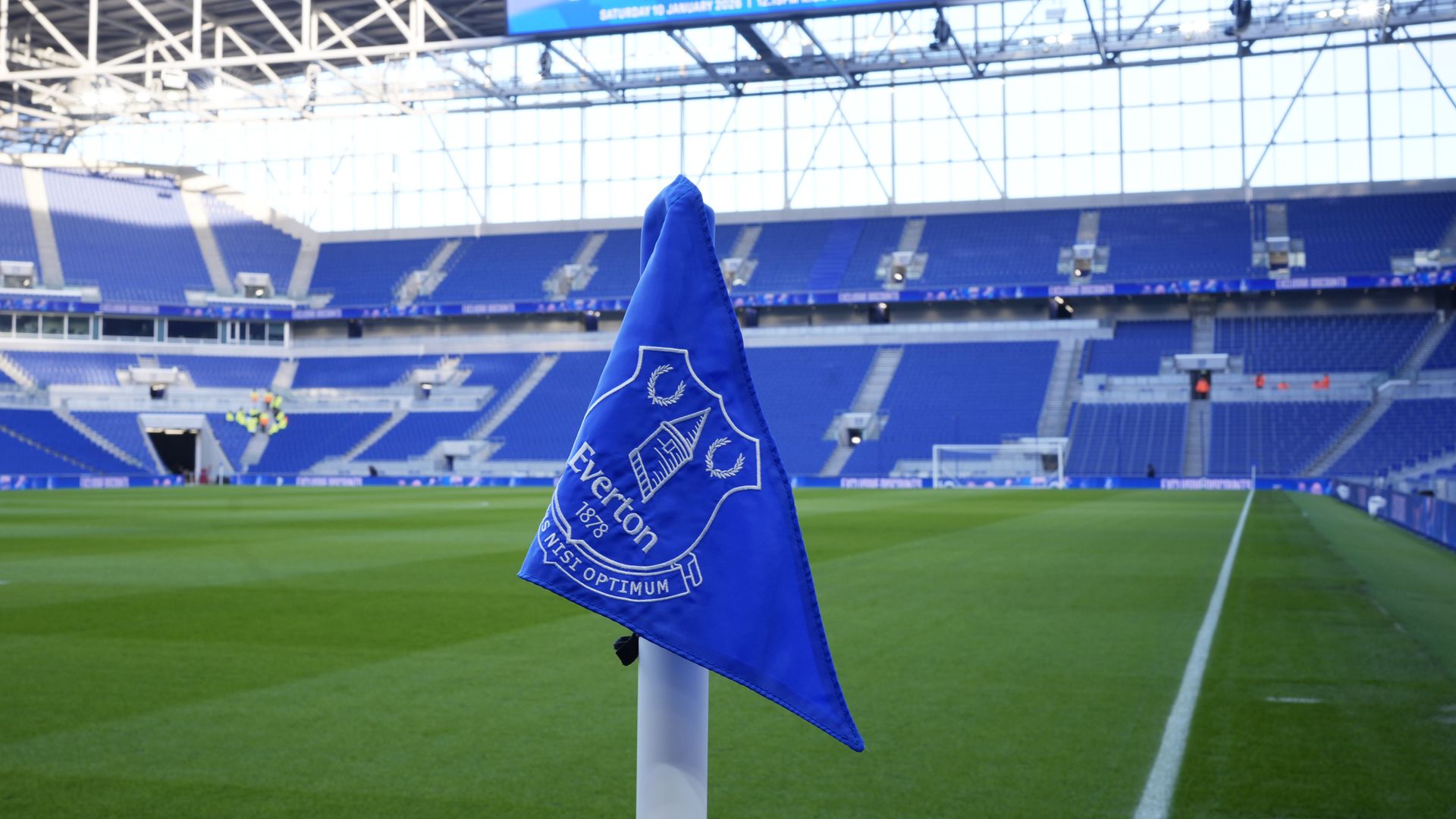
Every time a Premier League club hits the market months after a takeover, the headlines scream about instability, failed wealth, and sudden buyer remorse. The lazy consensus writes itself. Fans panic, pundits point fingers at reckless sovereign funds or opportunistic American private equity, and the cycle of hysteria continues. Everyone assumes a quick sale equals a distressed asset.
They are dead wrong.
I have spent decades watching boardrooms trade English football assets like high-yield crypto tokens. The truth nobody in the sports media wants to admit is that short-term exits are often the exact execution of a cold, calculated financial playbook. A quick flip is rarely a sign of panic. It is a feature of modern football economics, designed to maximize valuation before regulatory tightening or capital expenditure cliffs destroy margins.
The Financial Illusion of Long Term Stewardship
Modern football ownership has devolved into a fairy tale sold to season ticket holders. We cling to the romantic notion of the benevolent local custodian who pours personal wealth into a stadium like an adoring grandfather. That era died when television rights monetization turned clubs into media franchises.
When a consortium buys a Premier League outfit and puts it back on the block twenty-four months later, the peanut gallery cries foul. They point to short-termism. They argue that stability requires patience. But patience in modern corporate finance is a polite word for value destruction.
Look at the mechanics. A modern takeover does not rely on buying a club to run a local social club. It relies on operational restructuring, wage-to-revenue ratio optimization, and commercial contract renegotiation within the first eighteen months. Once the low-hanging fruit of operational efficiency is plucked, the growth curve flattens.
If you clean up a balance sheet, renegotiate kit deals, and optimize sponsorship inventory, you have captured the easiest value creation phase available in football administration. Remaining past that window exposes you to macroeconomic headwinds, player depreciation, and the brutal reality of Premier League relegation risk. Selling early locks in an internal rate of return that traditional industries would kill for.
Debunking the Distressed Asset Fallacy
The mainstream narrative treats every aborted ownership project as a rescue mission. When a club goes up for sale after two years, the immediate assumption is that the owners ran out of cash or discovered unexpected infrastructure debt.
This is amateur analysis.
Imagine a scenario where a private equity group acquires a mid-table Premier League side for four hundred million pounds. They inject fifty million into training ground upgrades—which under modern accounting standards can be structured strategically—and leverage commercial partnerships across untapped overseas markets. Two years later, valuations across the league have spiked due to new international broadcasting cycles and incoming American capital looking for trophy assets.
If an offer lands on the desk for eight hundred million pounds, refusing it out of loyalty to a five-year plan is financial malpractice. Taking the double is not failure. It is the entire point.
The mistake critics make is evaluating football clubs through the emotional lens of the supporter rather than the cold ledger of an asset manager. Fans measure success in trophies and tenure. Capital allocators measure success in return on invested capital and risk-adjusted time horizons. When those two metrics collide, the emotional camp inevitably shrieks about betrayal.
The Regulatory Pincer Movement
There is another reason quick exits are surging, and it is a factor the pundits completely ignore: regulatory compression.
The independent football regulator is coming. Financial Sustainability Regulations are tightening screws across the English football pyramid. UEFA rules on squad cost ratios are shrinking the margin for error. Operating a Premier League club like a high-risk venture capital play is becoming legally treacherous.
Smart money reads the regulatory tea leaves. If you bought a club before the full weight of these compliance frameworks materialized, your exit window is narrower than you think. Waiting five years means operating under tighter spending caps, lower amortization flexibility, and increased scrutiny from state-backed competitors who treat hundred-million-pound losses as a rounding error.
Selling now is not running away. It is getting out before the regulatory noose tightens around speculative valuations.
What Actually Happens Next
When this club inevitably changes hands, expect the same tired think pieces about the soul of the sport dying on the altar of capitalism. Ignore them. The soul of the sport was monetized the moment the Premier League broke away in 1992.
The next ownership group will not be saviors, and the previous ones were not villains. They are participants in a ruthless market where sentiment is a tax on returns. Stop treating football clubs like cathedrals and start treating them like what they are: the most aggressively traded equity in global sport.
If you want stability, buy a government bond. If you want football, accept that the boardroom is a trading floor.