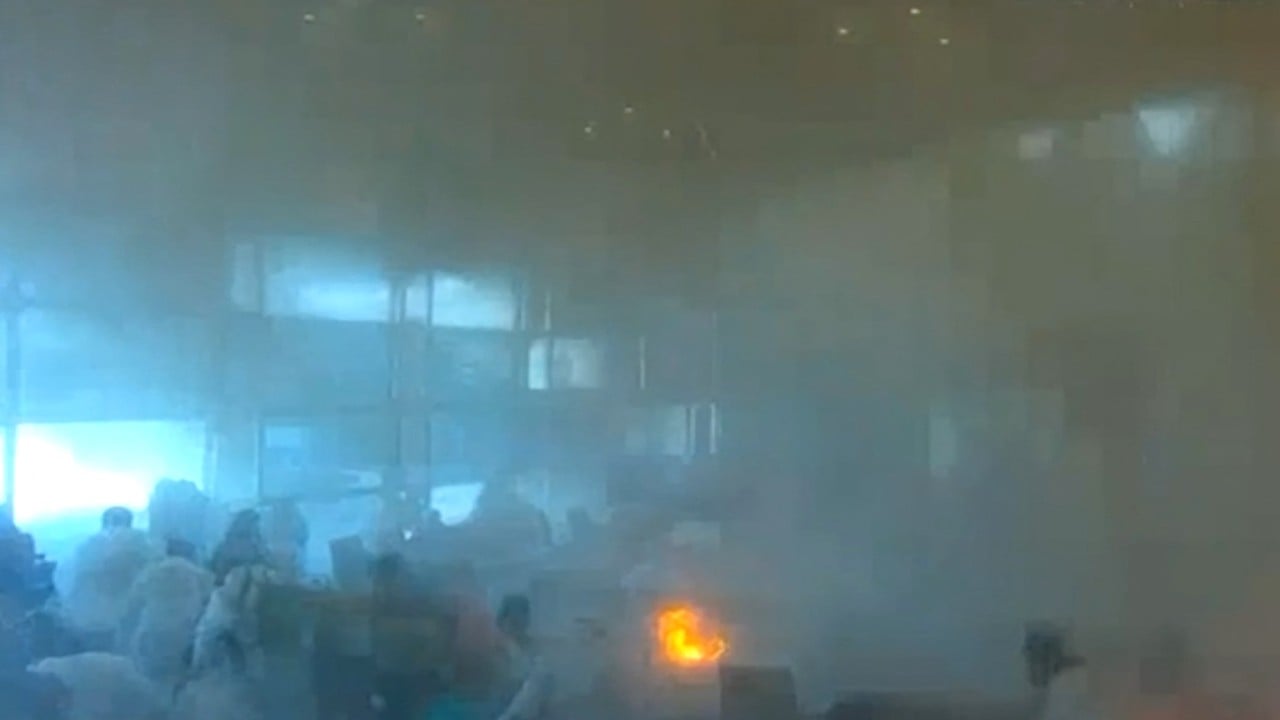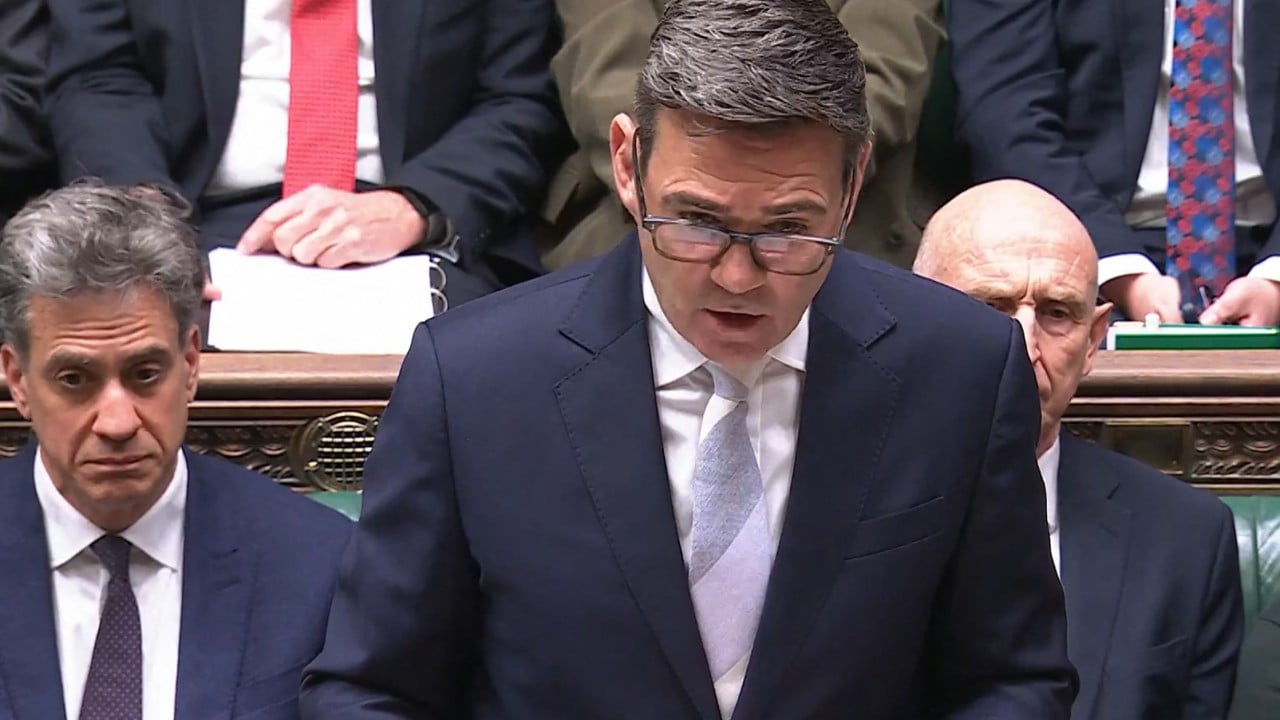
Shadow wars rarely announce themselves with massive explosions or formal declarations. Instead, they creep in through midnight security breaches, suspicious communications, and whispered intelligence briefings. When British Prime Minister Andy Burnham stood before Parliament to declare that a security threat at RAF Fairford was "almost certainly" directed by Iran's Islamic Revolutionary Guard Corps (IRGC), he didn't just point fingers. He pulled back the curtain on how modern states fight without technically going to war.
If you've been following hybrid conflict, the targeting of a British airbase hosting United States military assets shouldn't shock you. But the sheer audacity of running sabotage operations on European soil demands a hard look at how vulnerable Western critical infrastructure really is.
The Anatomy of a Shadow Plot
Let's look at what actually happened behind the scenes. RAF Fairford in Gloucestershire isn't just any runway. It's a strategic springboard used by US heavy bombers, making it a high-value target for any adversary looking to disrupt transatlantic military coordination.
When intelligence services uncovered a coordinated security plot targeting the base, the fallout was immediate. The Pentagon ordered the precautionary withdrawal of its bombers from the facility. That's the primary objective of modern hybrid warfare. You don't necessarily have to destroy a fleet on the tarmac if you can scare the operator into moving it miles away through sheer operational friction.
British authorities made several arrests following the episode, though the subsequent release of suspects under precautionary measures sparked fierce public debate and confusion. Critics wondered how a suspected terror cell could slip through initial legal nets while international indictments piled up. But intelligence gathering rarely moves at the speed of a 24-hour news cycle. Operating through proxies, cutouts, and coded instructions routed through foreign prisons, state-backed actors excel at exploiting the legal and procedural gaps in open societies.
Why Iran is Changing the Rules in Europe
Tehran has predictably denied any involvement, dismissing Western accusations as unfounded. Iranian officials have pointed to the initial release of arrested suspects as proof that the allegations don't hold water. Yet, the accumulation of evidence tells a different story.
European capitals are waking up to a grim reality. The conflict in the Middle East doesn't stay in the Middle East. When Western nations provide logistical backing, intelligence sharing, or staging grounds for operations against Iran, Tehran treats European territory as a legitimate theater for retaliation.
We've watched this playbook evolve over the past year. From attempted digital intrusions into critical infrastructure to physical intimidation campaigns targeting dissidents and journalists in London, the IRGC has outsourced a growing portion of its dirty work to local criminal networks and proxy operatives. It’s cheap, it offers plausible deniability, and it forces domestic security agencies to play an exhausting game of whack-a-mole.
The Cost of Porous Security
You have to wonder how local installations handle threats that transcend ordinary policing. Standard base security is built to deter petty crime, trespassers, or conventional perimeter breaches. It's rarely optimized to stop sophisticated, state-sponsored intelligence operatives who use encrypted channels and local recruits to probe for weaknesses.
When a superpower has to pull its strategic assets out of a key allied nation because of a foiled sabotage attempt, deterrence takes a hit. It sends a clear signal to adversaries that Western domestic security can be rattled without firing a single missile across an international border.
Governments are scrambling to patch these holes. Britain responded by tightening sanctions against key Iranian security figures, targeting the architecture of counterespionage and overseas operations. But sanctions and stern parliamentary speeches won't stop determined operatives from shopping for local muscle on encrypted messaging apps.
Protecting open societies from asymmetric threats requires a fundamental shift in mindset. Law enforcement, domestic intelligence, and military counterintelligence have to share data instantly before local anomalies turn into strategic disasters. Until Western nations treat hybrid sabotage with the same urgency as traditional military attacks, incidents like the one at RAF Fairford will keep happening in the dark.