Money alone doesn't fix broken healthcare systems. But sometimes, a targeted check from an unexpected source cuts right through bureaucratic red tape. Back in 2000, fashion executive Ralph Lauren committed a $5 million gift to build a state-of-the-art cancer center right in New York City's Harlem. It wasn't just a PR stunt. It fundamentally shifted how an underserved urban community accessed life-saving screenings and treatment.
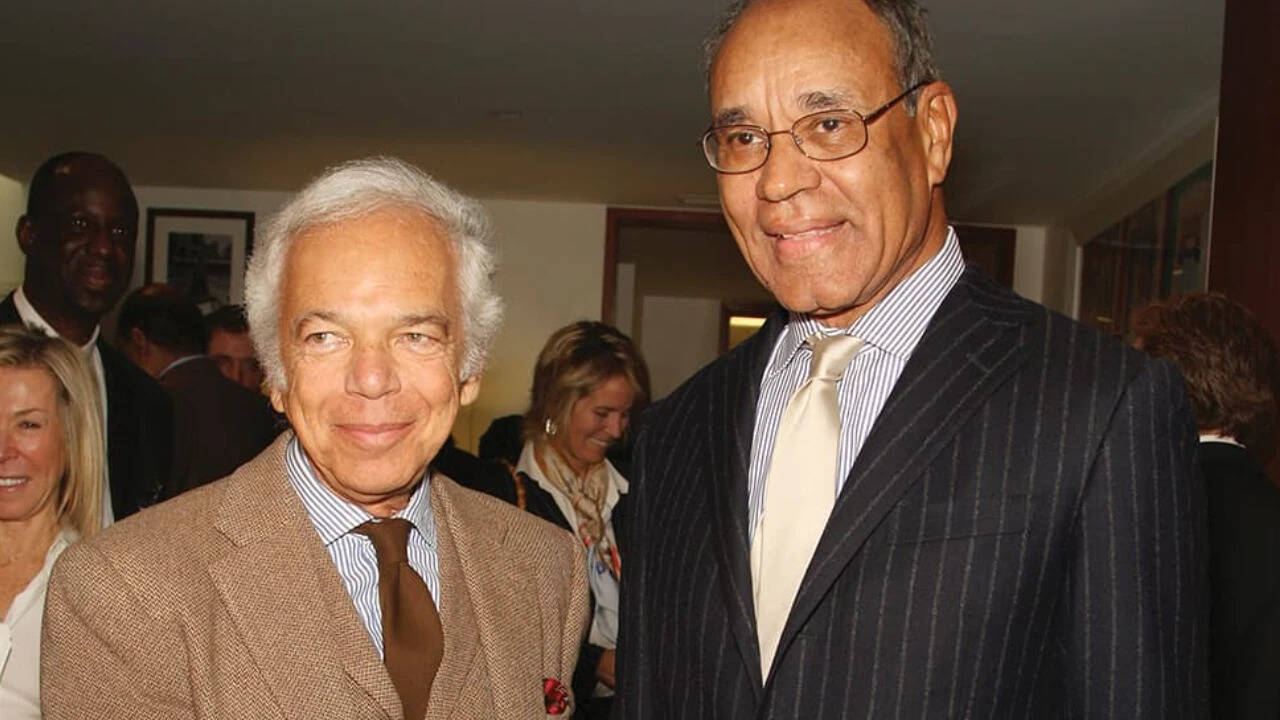
If you look at health disparities in America, geography often dictates survival. Harlem had long suffered from some of the highest cancer mortality rates in the country, largely due to late-stage diagnoses, lack of local screening infrastructure, and systemic hurdles. Dr. Harold Freeman, a renowned surgical oncologist and former president of the American Cancer Society, saw this crisis firsthand. When Freeman met with Lauren to pitch a vision for equitable neighborhood care, the designer didn't hesitate. He stood up, shook Freeman's hand, and promised to fund the mission. Learn more on a related subject: this related article.
The Blueprint Behind the MSK Ralph Lauren Center
Opening its doors in 2003, the facility wasn't built as a mere satellite clinic. It was designed from the ground up to solve the real-world friction points that prevent people from seeking medical help.
Too often, medical facilities focus solely on the clinical prescription while ignoring the human reality of getting to the clinic. The center integrated patient navigators directly into the workflow. These navigators tackle the unglamorous barriers: sorting out complicated insurance paperwork, bridging language gaps, arranging transportation, and setting up childcare so a parent can make their screening appointment. Additional journalism by CDC explores comparable perspectives on the subject.
Why Community-Level Infrastructure Matters
You can't expect someone to travel across multiple boroughs for a routine preventative screening when they're struggling to pay rent or working two jobs. Bringing diagnostics directly into the neighborhood changes everything.
Over the years, the partnership evolved. In 2019, the facility officially integrated as an ambulatory care center of Memorial Sloan Kettering (MSK), solidifying a pipeline to world-class oncology. Mobile health units began rolling through surrounding New York City neighborhoods, offering on-the-spot education, counselling, and screenings where traditional clinic access was non-existent.
The Ripple Effect Across the Country
Philanthropy usually loves a quick ribbon-cutting ceremony and a press release, then vanishes. This initiative proved different. Two decades after the Harlem doors opened, the Ralph Lauren Corporate Foundation expanded the vision nationally with a massive $25 million commitment to replicate the model.
New York was just the starting point. Similar specialized centers emerged at Georgetown Lombardi in Washington, D.C., and USC Norris in Los Angeles, with expansion heading into the Midwest through a partnership with UChicago Medicine.
Fixing healthcare gaps requires listening to the doctors on the ground and giving them the financial firepower to execute. When corporate backing aligns with genuine medical leadership, you stop talking about healthcare equity and actually build it.