The modern direct-to-consumer travel market is built on clever marketing, pastel aesthetic palettes, and heavy Instagram placement. Calpak sits at the exact intersection of this trend, selling sleek carry-ons, puffy duffels, and compression cubes to millions of frequent flyers. The real test of luggage lies in material science, stress tolerances, and physical durability under real-world transit strain.
Calpak built its reputation transitioning from traditional retail supply chains to direct online influence. By breaking down their catalog piece by piece, we can evaluate whether these products actually survive luggage carousel drops, TSA handling, and overpacked zippers, or if you are simply paying for an aesthetic wrapper. Also making news in this space: Why Charles Ross and His Massive Desert Observatory Belong in Land Art History.
Hard Shell Realities and Polycarbonate Blends
The foundation of Calpak's hard-sided lineup rests on models like the Ambeur and Hue collections. Most budget-to-mid-tier luggage brands attempt to lower manufacturing costs by utilizing pure ABS plastic (Acrylonitrile Butadiene Styrene). ABS is rigid and lightweight, but it is prone to cracking when cold or subjected to sharp pressure impacts. High-end luggage uses 100% polycarbonate, which flexes under high pressure rather than shattering.
Calpak operates in a middle ground by employing a polycarbonate and ABS composite shell on lines like the Ambeur. This hybrid construction keeps unit production costs down while offering superior flex compared to pure ABS. During high-impact drop tests, the shell absorbs kinetic shock effectively, though the metallic film finishes on the exterior show micro-scuffs and abrasion faster than textured matte surfaces. Additional details regarding the matter are detailed by Refinery29.
If you prioritize long-term cosmetic integrity over visual pop, textured matte shells will always outlast high-gloss finishes. The internal structure uses dual-sided zipped dividers, an essential element for preventing load shifts during transit.
The Mechanics of Puffy Polyester
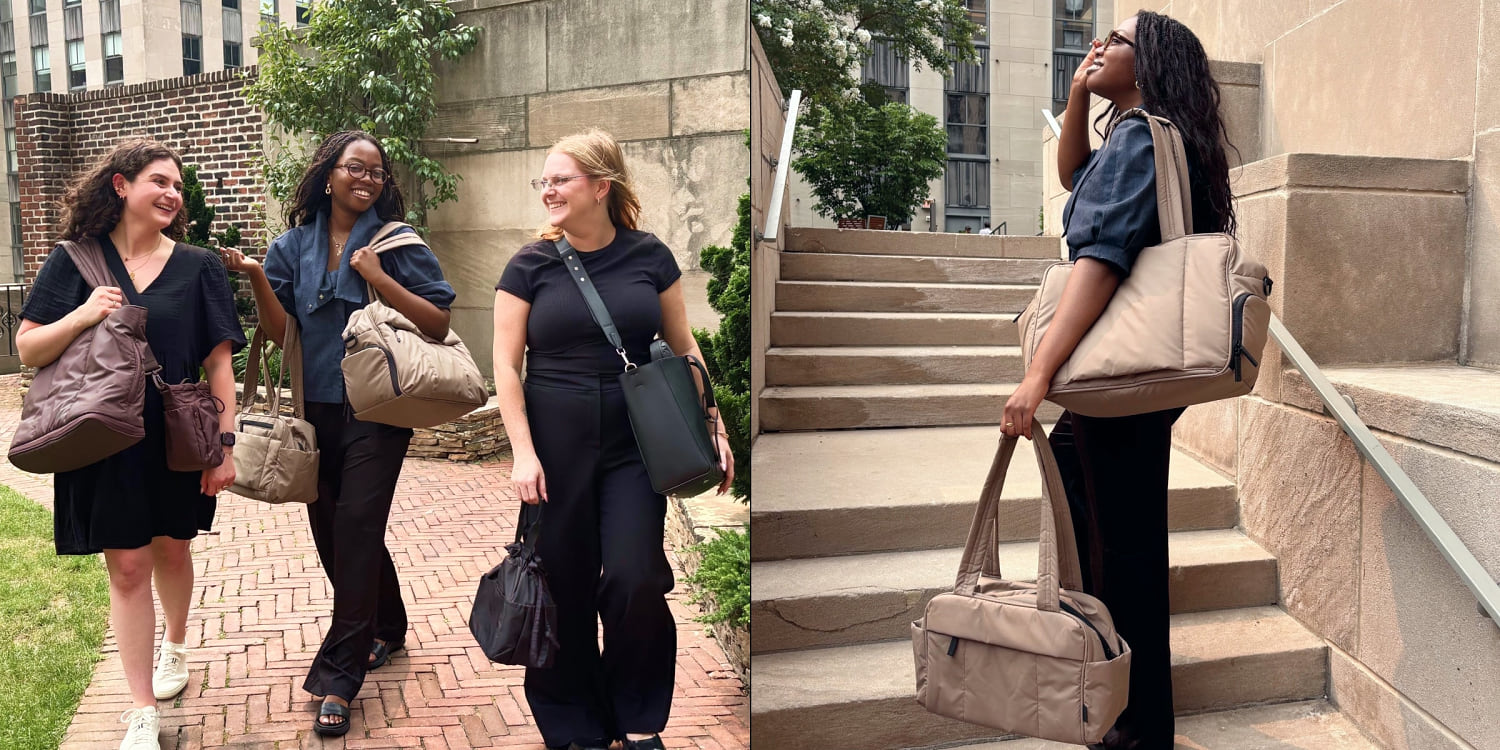
The Luka Softside collection and its flagship Luka Duffel represent a shift toward lightweight, padded designs. Made from lightweight polyester, these bags use synthetic padding to achieve a pillowy look.
From a structural engineering standpoint, puffy bags offer built-in impact dampening for internal contents. However, they sacrifice raw volumetric efficiency. The internal volume of the standard Luka Duffel sits around 25 liters, but the external footprint resembles a larger capacity bag due to foam wall thickness.
- Zipper Stress: Non-sealed standard coil zippers mean water resistance relies entirely on fabric coating. In heavy rain, water penetrates through zipper teeth quickly.
- Internal Volume: Stuffed integrated shoe compartments push inward, stealing usable space directly from the central compartment rather than expanding outward.
- Seam Integrity: Stress points around the trolley sleeve absorb high shear forces when pulled over rolling luggage handles. Look for reinforced box-stitching at these stress junctions.
The Reality of Accessories and Packing Systems
Packing cubes are often marketed as miracle space-savers. In reality, they are load management units. Standard non-compression cubes merely organize clothes; they do not reduce volume unless equipped with secondary compression zippers and high-denier tear-resistant nylon.
Calpak’s standard mesh-top packing cubes excel at ventilation and visibility, preventing damp garments from trapping moisture during multi-stop trips. But if your goal is minimizing physical volume to fit into strict overhead dimensions, structural compression sets made from ripstop material perform significantly better than lightweight mesh variants.
Material Comparison Matrix
| Collection / Product | Core Exterior Material | Primary Vulnerability | Optimum Use Case |
|---|---|---|---|
| Ambeur Hardside | Polycarbonate/ABS Composite | Surface cosmetic scratching | Short domestic air travel |
| Luka Softside Series | Padded Polyester | Internal space theft via padding | Weekend car trips & personal item |
| Terra Collection | Recycled Polyester (PET) | Frame flex under heavy top-loads | Outdoor & eco-conscious travel |
Sustainability Claims Versus Long-Haul Durability
The push toward eco-friendly gear introduced recycled PET fabrications across the Terra collection. Transforming post-consumer plastic bottles into durable yarn is a proven textile innovation. These fabrics offer high tear resistance and solid water repellency when backed with a thermoplastic polyurethane coating.
The long-term point of failure in sustainable travel gear is rarely the fabric paneling itself; it is the hardware. Plastic buckles, telescoping handle housings, and castor wheel assemblies take the brunt of operational wear. Calpak uses smooth-rolling spinner wheels with 360-degree rotation, which glide smoothly across polished airport terminals but degrade faster when dragged over rough cobblestones or icy sidewalks.
Investing in travel gear requires looking past lifestyle photography to evaluate fabric denier, zipper ratings, and frame construction. Choose hardshell composites for structured packing protection, padded soft goods for casual weekender transit, and dedicated ripstop compression tools when space constraint is your absolute primary concern.