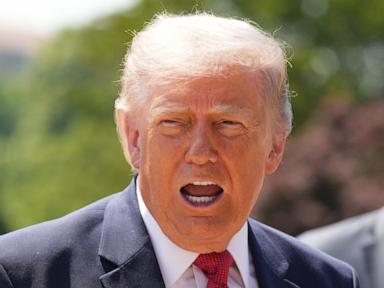
Donald Trump explicitly demonstrated that institutional stability matters far less than absolute personal loyalty. By endorsing Texas Attorney General Ken Paxton over four-term incumbent Senator John Cornyn in the state’s high-stakes Republican primary runoff, Trump chose a scandal-plagued insurgent over a reliable legislative workhorse. The move sends an unmistakable warning to old-school Republicans nationwide. This intervention ends months of agonizing delay and intense lobbying from both camps, upending a razor-thin race just a week before the May 26 runoff election.
The decision directly threatens traditional Republican control of a seat the party has held for nearly three decades. Establishment figures worry that Paxton’s substantial political baggage makes him vulnerable against a disciplined Democratic challenger in November. Trump, however, operated on a completely different calculation. For the president, the primary is not merely about preserving a legislative seat. It is a tool for reshaping the Republican Party into a unified, defensive mechanism for his presidency.
The Price of Reluctance
Trump laid bare the foundation of his decision in a late-morning social media post. While he described Cornyn as a "good man," he quickly pivot to the core grievance that sealed the veteran senator’s fate. Cornyn was not supportive when times were tough, and he was very late in backing the 2024 presidential campaign.
This grievance is deeply rooted in recent history. In 2023, Cornyn broke ranks with the party's emerging consensus to suggest that Trump's political time had passed him by. He argued that the former president lacked the ability to expand his appeal beyond a core activist base to win a general election. Though Cornyn later fell in line, aggressively backing Trump’s second-term legislative goals and voting with his agenda 99 percent of the time, the early skepticism was never truly forgotten.
Texas GOP Senate Primary (March 3 Results)
===========================================
John Cornyn: 42% (approx. 1,068,000 votes)
Ken Paxton:  41% (approx. 1,042,000 votes)
Wesley Hunt: 13.5%
-------------------------------------------
Margin: 26,000 votes | Runoff Date: May 26
Paxton positioned himself as the exact opposite of the cautious incumbent. Throughout his decade as the state’s top lawyer, Paxton used his office to launch high-profile legal challenges against federal overreach, explicitly aligning his official duties with national conservative priorities. In Trump’s eyes, Paxton’s willingness to fight aggressively outweighed any personal controversy. Trump emphasized that the nation requires fighters who maintain absolute allegiance to the cause.
Calculated Silence and the Late Intervention
The timing of the endorsement reveals a deliberate strategy rather than sudden impulsiveness. Following the March 3 primary, where Cornyn finished barely ahead of Paxton by roughly 26,000 votes, Trump publicly stated he would intervene quickly. He claimed that the extended intraparty conflict was harmful and could not be allowed to continue.
Instead of acting quickly, Trump waited more than two months. This prolonged silence forced both campaigns to burn millions of dollars in a grueling internal conflict, draining resources that could have been preserved for the general election. Just a day before the endorsement dropped, Cornyn confidently told reporters that the window for a presidential intervention had closed. Early voting had already begun.
By waiting until ballots were actively being cast, Trump maximized the disruptive impact of his decision. The endorsement instantly energized the populist base while leaving the incumbent’s campaign with almost no time to reframe its message. Within hours of the announcement, former primary opponent Wesley Hunt threw his support to Paxton, demonstrating how a late presidential intervention can rapidly force party alignment.
The November Down-Ballot Hazard
Establishment strategists view this endorsement with deep anxiety. They fear Trump’s decision could inadvertently hand Democrats their most realistic opportunity to win a statewide race in Texas since the 1990s. The Democratic nominee, state Representative James Talarico, has built a 27 million dollar campaign fund and currently holds a narrow lead in several internal polls against both potential Republican opponents.
Republican Electoral Vulnerability Matrix
===========================================================
Threat Level    Affected Districts       Primary Driver
-----------------------------------------------------------
High            9 U.S. House Seats       Suburban Backlash
Moderate        25 Texas House Seats     Split Ticket Voters
Internal Republican memos circulate a sobering warning. Paxton’s extensive history of legal troubles, including a 2023 state impeachment trial on corruption charges and a decade-long securities fraud investigation, could alienate moderate suburban voters. Party analysts have identified nine recently redrawn congressional districts and 25 state legislative seats where an unconventional nominee at the top of the ballot could trigger a devastating down-ballot wave.
Data indicates that roughly one-in-four voters who back Cornyn say they would consider voting for Talarico if Paxton leads the ticket. This potential defection threatens to turn a safe, multi-million-dollar defense of a reliably conservative seat into an expensive rescue operation, diverting critical resources away from volatile battlegrounds in the Midwest and Southwest.
A Transformed Senate Confrontation
This endorsement represents a fundamental shift in how the Republican party defines legislative success. For decades, Senators like Cornyn climbed the ranks through institutional patience, committee mastery, and a quiet judicial temperament. Cornyn spent years building a reputation as an effective legislator who could protect Texas interests while maintaining party discipline in Washington.
Paxton rejects that institutional approach. His campaign successfully framed Cornyn’s long service not as an asset, but as the mark of a career politician who compromises too easily with the Washington establishment. By securing Trump’s endorsement, Paxton validated a new political reality where standard legislative achievements matter far less than constant, aggressive participation in the national cultural and legal conflict.
If Paxton triumphs on May 26, the victory will signaling to every Republican incumbent that a near-perfect conservative voting record provides little protection if it lacks total personal devotion to the head of the party. The institutionalist model of governance is fading, replaced by a populist style that prioritizes immediate combat over long-term legislative stability.


