The federal immigration apparatus just hit a brick wall. When you watch how ICE and the Senate react to the latest shootings in Texas and Maine, you realize we are well past the point of standard political posturing. The rules of engagement are breaking down in real-time. Two deadly encounters during routine vehicle stops just forced a nationwide halt on ICE traffic pullovers. This isn't just another debate over border policy. It's a fundamental crisis of operational protocol, oversight, and constitutional rights.
Lawmakers are furious. Communities are rattled. You can't have federal agents acting like a rogue paramilitary force in American suburbs and expect the Senate to quietly rubber-stamp their funding. The days of looking the other way are over.
The Tipping Point in Maine and Texas
Just days ago, in mid-July 2026, separate incidents in Houston, Texas, and Biddeford, Maine, ended in fatal shootings by U.S. Immigration and Customs Enforcement personnel. The Biddeford incident specifically ignited an absolute firestorm in Washington.
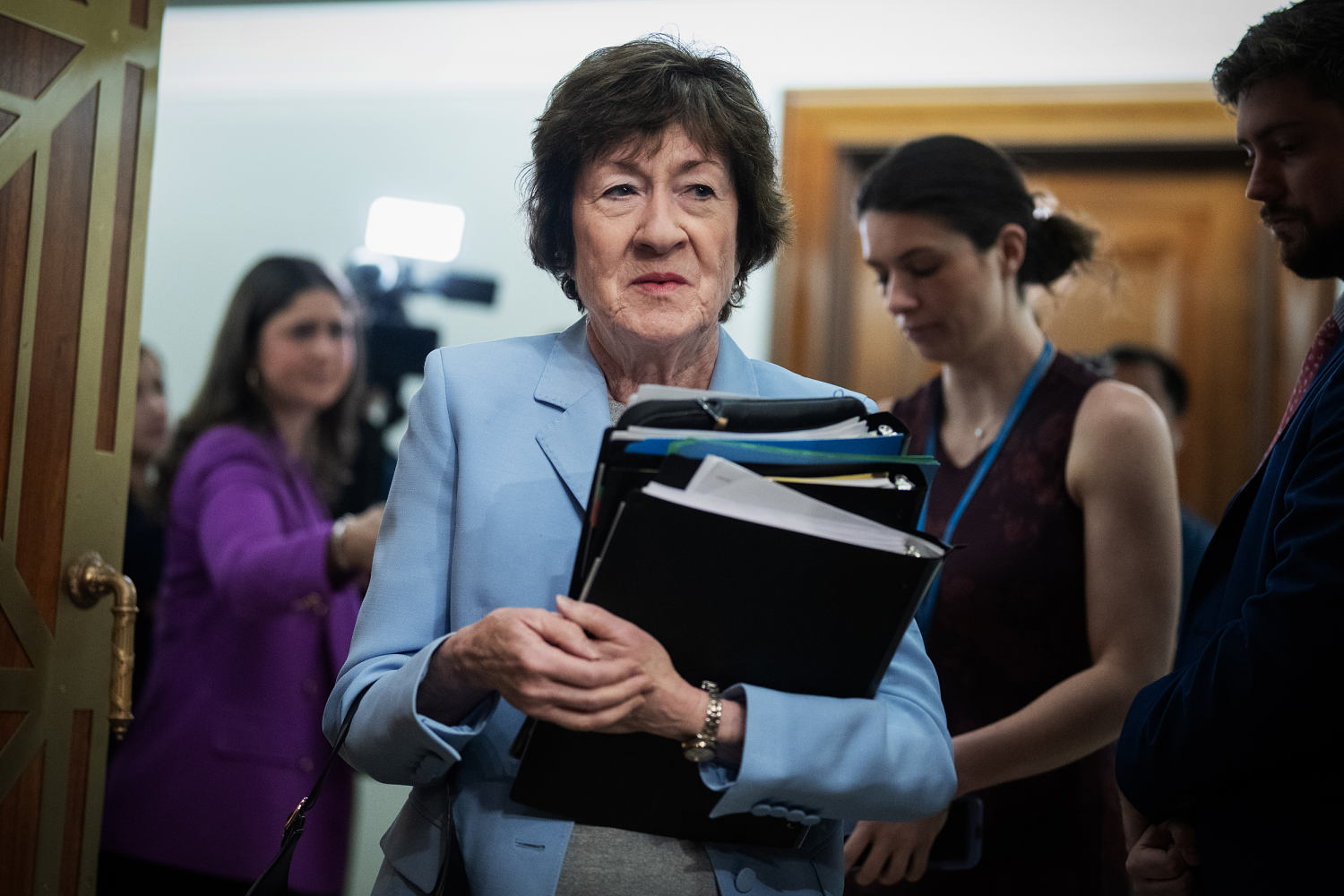
The entire Maine congressional delegation didn't wait around for internal reviews. Senators Susan Collins and Angus King, alongside Representatives Chellie Pingree and Jared Golden, immediately drafted a severe letter to Department of Homeland Security Inspector General Joseph V. Cuffari. They demanded a comprehensive, expedited investigation. They aren't asking for a polite summary. They want a raw, objective accounting of exactly how a federal immigration operation turned deadly in a quiet New England town, emphasizing the intense anxiety now gripping the local community.
Federal operations require public trust to function safely. When agents shoot people in their cars on local streets, that trust evaporates instantly.
The Nationwide Vehicle Stop Ban
Here is the most telling proof that DHS knows things are spiraling out of control. Following the Texas and Maine fatalities, immigration officials received direct instructions to stop pulling over vehicles until further notice.
Think about the magnitude of that order. A federal law enforcement agency essentially had to pull the emergency brake on one of its primary enforcement tactics.
Traffic stops are inherently volatile. Any local cop will tell you a routine pullover is the most dangerous part of their day. When you introduce federal immigration agents—who often lack local community rapport, frequently wear tactical gear, and operate under massive political pressure—the situation becomes a powder keg.
Former acting ICE director John Sandweg put it bluntly. He publicly stated it was time for a hard look, if not a complete moratorium, on vehicular stops until the agency figures out how to prevent these tragedies from happening again. When former agency directors are calling for operational stand-downs, the internal protocols are clearly shattered.
The Shadow of Minneapolis
To understand why the Senate is reacting so aggressively right now, you have to look back to the beginning of the year. The July shootings didn't happen in a vacuum. They are the bloody continuation of a trend that started in Minnesota.
Earlier in 2026, federal immigration officers shot and killed two U.S. citizens—Alex Pretti and Renee Macklin Good—in Minneapolis during a massive enforcement surge. Those deaths triggered a massive standoff in Congress. The Department of Homeland Security actually shut down for nearly a month because lawmakers refused to negotiate a budget deal without securing changes to how immigration officers operate.
During the fallout, DHS Secretary Kristi Noem faced blistering bipartisan scrutiny. She quickly labeled Pretti a "domestic terrorist" immediately after the shooting—a narrative that was later directly contradicted by her own oversight arm at Customs and Border Protection, and not supported by the heads of ICE or CBP when they testified before Congress.
Senators remember that. They remember the five-week gap between Pretti's death and Noem's appearance before the Judiciary Committee. They remember the chaotic atmosphere the 3,000 deployed federal officers created in Minnesota. So when agents in Maine and Texas pull the trigger just a few months later, the Senate's patience isn't just thin. It's completely gone.
What Lawmakers Actually Want Fixed
The demands from Capitol Hill are no longer abstract. Democrats, led by vocal critics like Senator Ruben Gallego, have established a hardline list of operational non-negotiables. Gallego has flatly refused to support DHS funding without real enforcement of immigration laws that doesn't rely on treating agents as a "private army".
The reforms on the table are basic, common-sense measures that local police departments have adhered to for years. Senate leaders want federal agents to stop acting like shadows. The requirements are clear.
- Unmasking Agents: Officers must take off tactical masks and clearly identify themselves during operations.
- Mandatory Body Cameras: Agents must keep body cameras on and active during all enforcement actions.
- Strict Warrant Enforcement: Ending the practice of "roving patrols" in cities and requiring tight adherence to proper arrest warrants.
- Local Coordination: Forcing federal agents to actually coordinate with local law enforcement rather than going rogue in their jurisdictions.
These aren't radical ideas. Senator Tina Smith accurately pointed out that lawless agents need to follow the exact same rules that your local police department follows. The fact that DHS has fought these basic transparency measures is exactly why Congress is willing to shut down the agency's funding.
The Cost of Aggressive Tactics
The collateral damage of these operations extends way beyond the immediate loss of life. There is a massive constitutional fight brewing on the sidelines.
During the aggressive crackdowns earlier this year, ICE officers routinely told citizens who were tracking or filming them that they were breaking federal law. Legal experts and the First Amendment entirely disagree. Filming law enforcement in public is a constitutionally protected right. When federal agents attempt to criminalize observation, they aren't protecting public safety. They are hiding from accountability.
There are also severe reports of agents taking DNA samples from arrested protesters—a legally murky practice that raises massive red flags about how the government handles genetic data. Add in the ballooning budget for surveillance tools used to monitor and intimidate both immigrants and U.S. citizens critical of these policies, and you start to see the full picture of an agency operating without a leash.
Even conservative local sheriffs, who are often required by state law to cooperate with ICE, are expressing deep concerns about pursuing individuals with no criminal records. When local law enforcement, the Senate, and former agency directors are all telling you your tactics are dangerous, it's time to change the playbook.
Force the Change
The suspension of vehicle stops is a temporary bandage on a systemic hemorrhage. DHS needs a permanent, enforceable code of conduct that holds agents personally accountable when they violate the rules.
The next round of Homeland Security funding negotiations must be tied directly to these operational overhauls. Call your representatives. Demand they refuse to authorize a single dollar of ICE funding until mandatory body cameras, clear identification, and strict warrant protocols are permanently codified into law. If Congress caves on these demands now, we are guaranteeing another fatal encounter in another American town before the year is out.