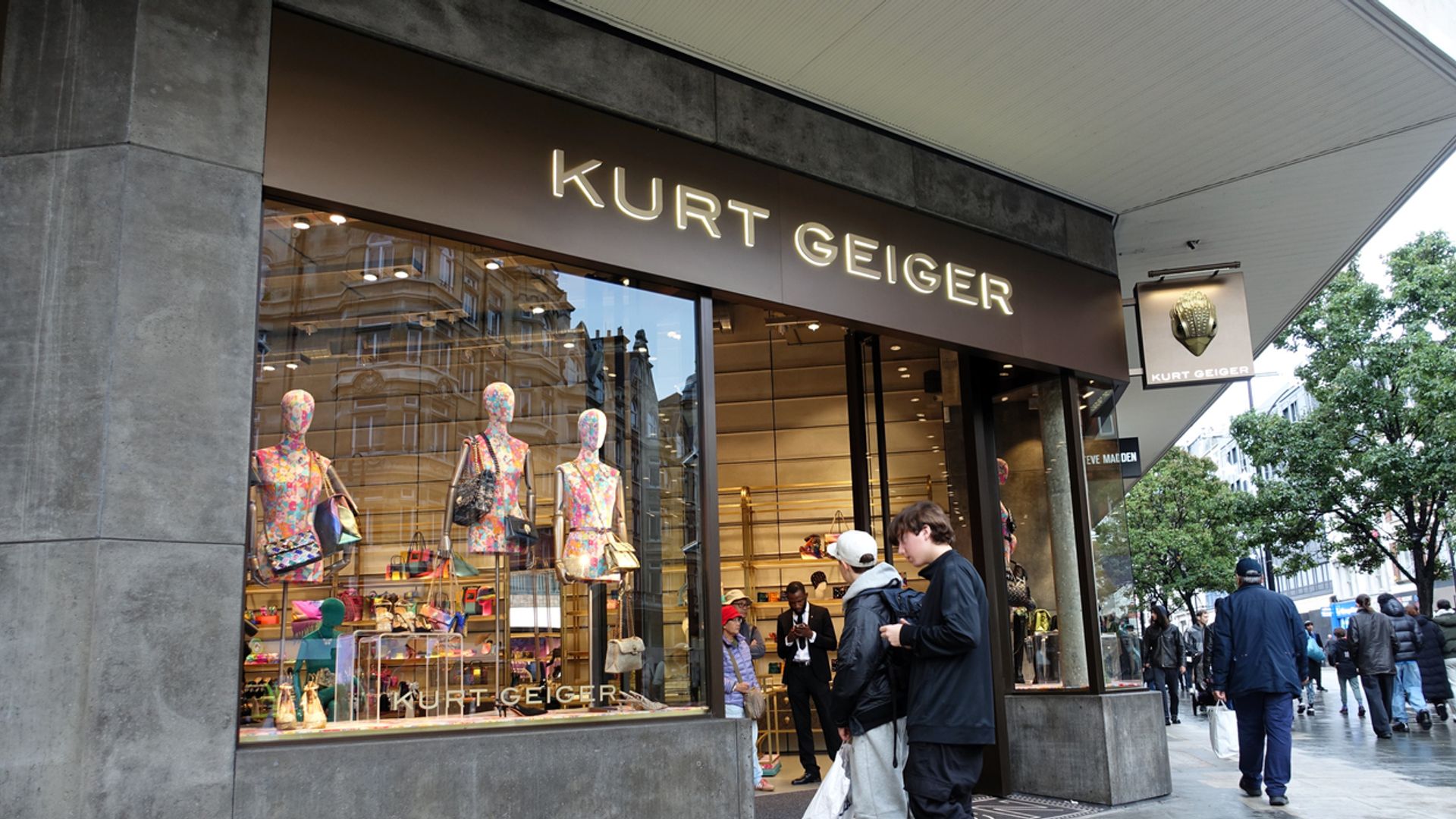
When the American footwear giant Steve Madden finalized its £289 million acquisition of Kurt Geiger, Wall Street and London’s luxury retail corridors viewed the transaction through a predictable lens. It was supposed to be a straightforward transatlantic expansion, a way for a New York-listed designer and wholesaler to anchor its European footprint using a venerable British nameplate known for its vibrant accessories and high-street ubiquity.
Instead, the corporate machinery has ground into reverse. Behind closed doors, advisers from Solomon Partners have been quietly enlisted to orchestrate the divestment of Kurt Geiger’s crown jewel asset: the massive, highly lucrative concessions business operating the shoe departments inside Harrods and Selfridges.
To understand why a parent company would slice away the very retail operations that made Kurt Geiger a British institution just months after taking ownership requires looking past corporate PR broadsheets. This is a story about the brutal economics of department store real estate, shifting consumer habits among elite shoppers, and a strategic retreat forced by shrinking margins in the world's most expensive retail floorspace.
The Concession Trap on Knightsbridge and Oxford Street
Operating a luxury footwear department inside Harrods or Selfridges is widely misunderstood by casual observers. It looks like a pristine brand showcase. Marble floors, gleaming lighting, meticulous rows of velvet-lined shelving, and attentive staff create an aura of effortless exclusivity.
The reality on the balance sheet is vastly different. Department store concessions operate under hyper-aggressive revenue-share and commission agreements. Brands do not merely rent square footage; they surrender a staggering percentage of their top-line revenue—often ranging from thirty to fifty percent—back to the host department store. They must absorb the staffing costs, the inventory holding
Why Kurt Geiger Walked Away From Harrods and Selfridges Shoe Halls
business
The luxury footwear concession model is bleeding out, and the structural retreat orchestrated by Kurt Geiger from the hallowed shoe floors of Harrods and Selfridges marks a definitive turning point for high-end retail.
For decades, the physical department store footprint was the ultimate status symbol for contemporary and luxury footwear brands. Securing square footage inside the Knightsbridge palace or Oxford Street icon meant instant validation, heavy foot traffic, and automatic volume. That era is dead. Kurt Geiger’s quiet withdrawal from these massive multibrand spaces is not an isolated retreat. It is a calculated survival tactic against shifting consumer behavior, punishing commission structures, and the brutal economics of physical retail rent.
When a dominant player surrenders marquee real estate, the industry must look past the press releases and examine the structural rot underneath.
The Economics of the Concession Trap
Department stores built their modern fortunes on the back of the concession model. Instead of buying inventory outright, stores leased floor space to brands in exchange for a staggering slice of every transaction. These cuts often range from thirty to over fifty percent, alongside mandatory staff costs, visual merchandising compliance fees, and centralized marketing contributions.
For Kurt Geiger, operating massive footprints inside destination department stores required an immense capital outlay. Inventory had to be shipped, replenished, and heavily staffed with trained sales associates capable of maintaining a luxury tier customer experience.
When foot traffic shifted online and tourists altered their spending habits following global economic shocks and shifting tax-free shopping policies in the United Kingdom, the math stopped working. Paying astronomical central London rents and high concession percentages on declining physical conversion rates transforms a flagship presence from a profit center into an expensive vanity project.
The abolition of the VAT-free tourist shopping scheme in the UK dealt a severe blow to central London luxury sales. International shoppers, particularly high-spending visitors from the Middle East, Asia, and the United States, historically fueled the luxury shoe floors of Harrods and Selfridges. Without the tax incentive, those shoppers increasingly redirect their purchasing power to Paris, Milan, or digital cross-border platforms.
Kurt Geiger read the ledger. Keeping underperforming square footage alive just to maintain prestige is a luxury dying brands afford themselves. Profitable enterprises cut the dead weight.
Direct-to-Consumer Dominance Versus Wholesale Dependency
The modern footwear market rewards brands that own their customer relationships. Wholesale and concession relationships create a dangerous buffer between the manufacturer and the buyer. When a customer purchases a pair of Kurt Geiger heels on the Harrods floor, Harrods owns the customer data, the transaction history, and the direct line of communication.
By pulling back from third-party spaces, Kurt Geiger is aggressively doubling down on direct-to-consumer channels, both digital and standalone retail. Owning standalone boutiques allows the brand to control the entire environment, dictate pricing without department store promotional calendars eating into margins, and capture zero-party data that fuels targeted retention marketing.
Digital storefronts operate without the overhead of massive department store staffing and visual merchandising mandates. While digital customer acquisition costs are notoriously high, they remain more transparent and manageable than the rigid, inflexible fee structures imposed by legacy department store operators.
The transition is painful. It requires retraining the consumer market to seek out the brand in its own ecosystem rather than stumbling upon it while walking through a department store shoe department. Yet, the long-term margin expansion justifies the temporary friction.
The Real Estate Reckoning for Luxury Department Stores
The departure of a powerhouse concession partner spells trouble for the department store operators themselves. Harrods and Selfridges are not ordinary retail properties; they are tourist destinations whose upper floors depend on anchor brands to pull shoppers through the building.
When a major footwear operator scales back its presence, the psychological impact on the floor layout is immediate. Empty square footage or downsized footprints signal a contraction that triggers a negative feedback loop. Fewer anchor brands mean fewer shoppers, which in turn diminishes the value of remaining concessions, leading other brands to renegotiate terms or exit entirely.
Department stores are desperately trying to reinvent their physical spaces to survive the digital migration. They are attempting to shift toward immersive experiential retail, curated pop-ups, and exclusive collaborations that cannot be replicated online. But a shoe department requires massive inventory depth across sizes, styles, and colors. It is a high-volume, high-space requirement category that struggles to survive purely on experiential theater.
The traditional department store model relied on brands subsidizing the massive real estate costs of operating cathedral-like stores through high-margin wholesale agreements. As brands like Kurt Geiger reclaim their autonomy, department stores face an existential crisis regarding how to monetize their square footage.
What This Means for the Footwear Landscape
The retreat from Harrods and Selfridges signals the end of the uncritical pursuit of prestige retail real estate. Brand value is no longer measured by how many department store windows display your products, but by the strength of your margins, the health of your customer database, and your agility in digital fulfillment.
Smaller footwear labels watching this shift are taking notes. The capital required to sustain a major department store presence can now fund years of targeted social media acquisition, bespoke packaging, and proprietary e-commerce infrastructure.
The high street and the luxury department store floor will always have a place for true ultra-luxury houses capable of commanding uncompromising price points and global devotion. For contemporary luxury brands operating in the middle tier, the juice is no longer worth the squeeze.
Kurt Geiger did not step away from Harrods and Selfridges because they were failing. They stepped away because they realized that playing by legacy rules in a digital-first economy is a losing game. The brands that survive the decade will be those brave enough to walk away from the glittering floors that built their past in order to fund the platforms that will secure their future.