Donald Trump just pushed the button on a full-scale naval blockade of Iranian ports, and honestly, the world wasn't ready. After ceasefire talks in Pakistan fell apart over the weekend, the U.S. military officially began enforcement at 10 a.m. Monday. Trump isn't just trying to choke off oil anymore; he's aiming for what he calls the "nuclear dust" inside Iran. This move shifts the six-week-old war from a series of targeted strikes into a high-stakes maritime siege that could break the global economy before it breaks Tehran.
If you're wondering why your gas prices just spiked or why the news is screaming about the Strait of Hormuz, here's the deal. The Islamabad talks failed because Iran wouldn't budge on its nuclear enrichment. Vice President JD Vance basically said the U.S. isn't leaving until the enrichment stops. So, the blockade is the new "persuasion" tool.
What this blockade actually looks like on the water
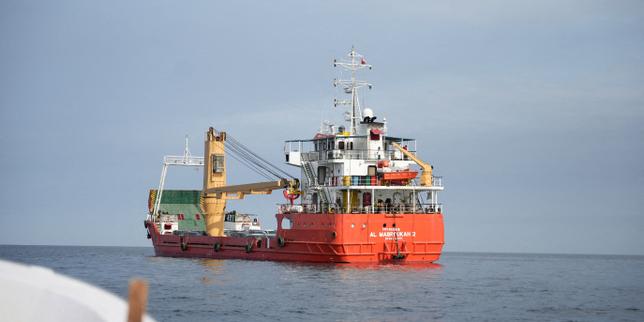
This isn't a "soft" sanction. It's a "hard" military line in the sand. CENTCOM confirmed they're targeting any vessel—regardless of the flag it's flying—that tries to enter or leave an Iranian port. Trump’s rhetoric on Truth Social was characteristically blunt, warning that any Iranian "fast attack ships" getting too close would be "immediately eliminated." He even compared the tactics to how the Coast Guard handles drug runners at sea: quick and brutal.
The strategy is a bit of a gamble. By letting ships pass through the Strait of Hormuz as long as they aren't heading to Iran, the U.S. is trying to keep its Gulf allies like Saudi Arabia and the UAE happy. But it's messy. The U.K. and Japan have already signaled they won't help with the blockade. They're worried about being "dragged into the war" officially. So, for now, it's mostly a U.S. show of force.
Why Iran says no port in the Gulf is safe
Tehran isn't just sitting back. They've called the blockade "piracy" and warned that if their ports aren't safe, nobody's ports are safe. That’s a direct threat to the massive oil terminals in neighboring countries. Iran still has enough "fast boats" and drone technology to make life miserable for tankers in the region.
- The Nuclear Sticking Point: The U.S. wants Iran to hand over its enriched uranium. Iran sees that as a total surrender of its sovereignty.
- The Price of Oil: Brent crude jumped nearly 10% almost immediately. If this lasts more than a week, we’re looking at triple-digit oil prices becoming the new normal.
- The China Factor: Beijing is livid. They rely on that Iranian "dark pool" oil that bypasses sanctions. If the U.S. starts seizing Chinese-bound tankers, the conflict stops being local and starts being global.
The Iranian military claims the blockade violates the existing (though shaky) ceasefire that's supposed to last until April 22. They’re essentially saying the U.S. fired the first shot of the "second phase" of this war.
What happens if a ship ignores the blockade
Experts expect the U.S. Navy to use "graduated force." They won't just blow up a tanker—that’s an environmental nightmare nobody wants. Instead, expect "warning shots," electronic jamming, and armed boarding parties. If a captain refuses to turn around, U.S. SEALs or Marines will likely take physical control of the bridge.
The risk here is a miscalculation. One nervous sailor on an Iranian fast boat fires a shoulder-mounted missile, and the ceasefire is officially dead. Trump seems fine with that, though. He told reporters he’s "locked and loaded" to finish what’s left of Iran’s military infrastructure.
Your move if you're watching the markets
If you have investments in energy or logistics, don't expect a "quick fix" here. Even if the blockade ends tomorrow, experts at the International Energy Agency think it could take two years for the market to stabilize. The damage to regional infrastructure is already done.
- Watch the April 22 Deadline: That's when the current ceasefire expires. If no deal is reached by then, the blockade might be the least of our worries.
- Monitor "Dark Fleet" Movements: Iran has been moving oil via ghost tankers for years. This blockade is designed to kill that specific shadow economy.
- Keep an eye on Keir Starmer and Macron: If the U.S. allies continue to distance themselves, Trump might feel more pressure to negotiate—or he might double down to prove he doesn't need them.
The situation is incredibly volatile. We're past the point of "diplomatic pressure." We're now in the territory of a forced economic collapse of a sovereign nation. Whether Iran folds or fights back is the only question that matters now.