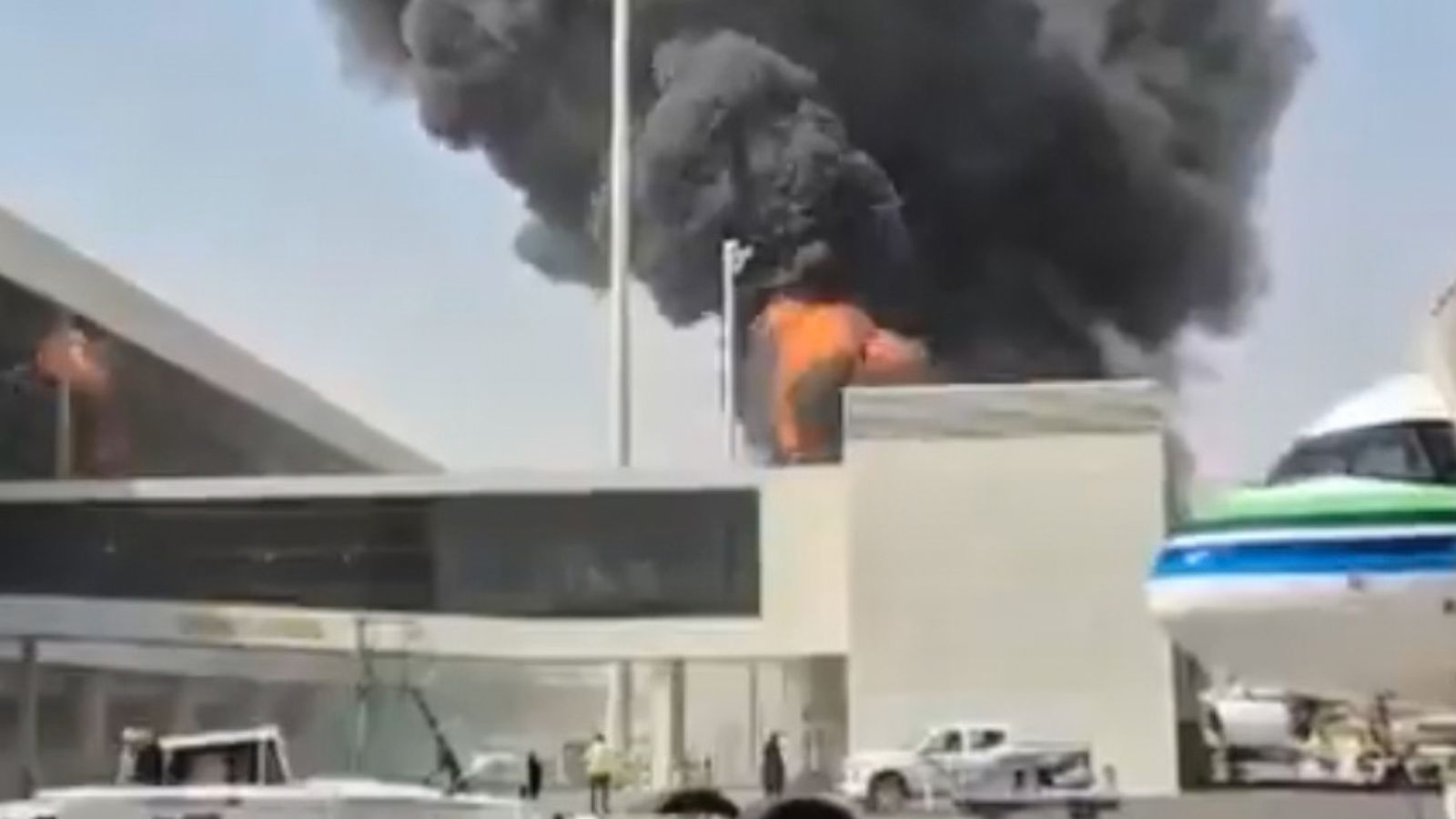
When President Donald Trump stood on the South Lawn of the White House on October 10, 2026, and suggested it was time for Ukraine to "get a new president," the cable news cycle treated it like another impulsive outburst. It wasn't. Behind the blunt rhetoric lies a collision of American midterm election math, a Middle East conflict choking global energy supplies, and a desperate Ukrainian drone campaign that has crippled more than half of Russia's oil refining capacity.
Trump's attack on Ukrainian President Volodymyr Zelenskyy came less than twenty-four hours after Washington announced a stunning reversal of four years of economic sanctions—a direct agreement with Vladimir Putin to import millions of tons of Russian diesel into the United States. When Zelenskyy publicly condemned the arrangement as a financial lifeline for Moscow's war machine, Trump fired back, accusing the Ukrainian leader of deliberately sabotaging global fuel markets and hurting American farmers and ranchers.
To understand why the White House suddenly traded sanctions enforcement for Kremlin fuel, you have to look past the diplomatic insults and follow the barrels.
The Anatomy of the October Diesel Deal
For over four and a half years following Russia's full-scale invasion of Ukraine, the cornerstone of Western strategy was starving the Kremlin of hydrocarbon revenue. That policy collapsed on October 9, 2026.
Following direct talks with Putin, Trump announced that Russia would immediately begin shipping over 300,000 tons of diesel to the United States, followed by another 500,000 tons in November, one million tons immediately after, and an additional three million tons down the line. In exchange, Washington offered Moscow something far more valuable than hard currency—legitimacy and breathing room for an energy sector under siege.
Zelenskyy's reaction was immediate and sharp. Speaking after meetings in Kyiv, he argued that any easing of economic pressure signals to Moscow that it can keep bombing Ukrainian cities without consequence. Within hours of the diesel announcement, Russian ballistic missiles and aerial bombs slammed into Kyiv and Zaporizhzhia, killing more than a dozen civilians, including children, and knocking out power across major urban centers.
Trump's response on Saturday morning shifted the blame entirely onto Kyiv. Departing for a campaign rally in Tennessee, he told reporters that Zelenskyy had "lost 30 percent" of his country, presided over millions of casualties, and refused to make a deal. Then came the punchline aimed squarely at domestic voters: "He wants to make problems for the world. He wants to make problems for our farmers, our ranchers, with diesel fuel."
Why Washington Needed Moscow's Fuel
The White House's sudden appetite for Russian distillates has very little to do with Eastern Europe and everything to do with the Persian Gulf and the November midterm elections.
Throughout 2026, the escalating war in Iran has severely disrupted global crude and refined product markets, driving retail diesel prices in the United States to record highs. Unlike gasoline, which primarily hits commuters, diesel is the bloodstream of the American economy. It powers freight trucks, agricultural machinery, rail networks, and construction equipment. When diesel spikes, grocery prices follow within weeks.
With Republican candidates facing intense pressure ahead of the midterm elections, the administration needed an immediate supply injection to cool domestic fuel costs. Domestic refineries were already running near maximum capacity, and Middle Eastern supply routes remained contested. Russia, sitting on excess refined product that had been locked out of Western markets by sanctions, offered the fastest physical volume available on the water.
Blaming Kyiv's long-range drone strikes for tight global diesel supplies provided a convenient political narrative. By framing Ukraine's self-defense as an attack on American agricultural operating costs, the White House attempted to turn a domestic inflation vulnerability into leverage against a reluctant wartime ally.
Ukraine's Refinery Campaign Hit a Nerve
There is an uncomfortable kernel of truth buried inside Trump's complaint—Ukraine's deep-strike campaign against Russian oil infrastructure actually works.
Over the past year, Kyiv has systematically targeted Russian refineries, pumping stations, and export terminals using domestically produced long-range drones. By November 2026, Zelenskyy reported that Ukrainian strikes had disabled over 55 percent of Russia's oil refining capacity. Even Putin, who rarely admits economic pain publicly, acknowledged in October that the drone campaign had shaved roughly one percent off Russia's gross domestic product.
From Kyiv's perspective, refineries are legitimate military targets. They produce the aviation fuel and diesel that keep Russian tanks moving and bombers flying, while generating the tax revenue that funds the Kremlin's defense budget.
From Washington's perspective, however, taking millions of barrels of Russian refining capacity offline during a Middle East energy crisis creates an immediate supply shock. For weeks prior to the October blowup, U.S. envoys Steve Witkoff and Jared Kushner had quietly pressured Kyiv to halt attacks on Russian energy facilities. During meetings in Miami, those envoys reportedly even floated the possibility of restricting U.S. intelligence sharing if Ukraine refused to back off.
When Zelenskyy kept hitting targets like the Ilsky refinery in Krasnodar and oil depots in Rostov, the friction boiled over into public view.
The Illusion of the Energy Ceasefire
Twenty-four hours after calling for Zelenskyy's ouster, Trump took to Truth Social to declare an immediate "ENERGY CEASEFIRE" between Russia and Ukraine, claiming both sides had agreed and warning them not to break it.
The reality on the ground exposed the fragility of deal-making by social media post.
Zelenskyy stated clearly that Ukraine would stop striking Russian refineries the moment Russia stopped bombarding Ukrainian power plants and substations—provided there were real, verifiable guarantees. Those guarantees never materialized. Russian forces continued hammering Ukraine's electrical grid in Kharkiv, Zaporizhzhia, and Dnipropetrovsk, plunging hundreds of thousands of civilians into darkness and water shortages ahead of winter.
Analysts at the Institute for the Study of War noted that Putin used his phone calls with Washington not to negotiate a genuine truce, but to stall Western support while maintaining his maximalist demands for Ukrainian capitulation. For Moscow, an "energy ceasefire" was an asymmetric gift. It protected Russia's vulnerable, slow-to-repair distillation towers from Ukrainian drones while allowing Russian forces to continue pounding Ukraine's civilian grid with glide bombs and missiles.
Split Ranks in Washington and Europe
Trump's pivot toward Moscow over diesel prices fractured the traditional foreign policy consensus on both sides of the Atlantic.
In Europe, leaders who have spent years weaning their economies off Russian hydrocarbons reacted with alarm. Canadian Prime Minister Mark Carney, while supporting the concept of protecting energy infrastructure, openly denounced the U.S.-Russian diesel agreement as a move that undermines European stability and prolongs the war. European foreign policy officials warned that Washington was walking into a Kremlin trap, trading strategic deterrence for short-term commodity relief.
Even inside Trump's own party, the deal triggered rare public pushback. Former Vice President Mike Pence urged the administration to rescind the diesel agreement immediately, warning that America should never throw an economic lifeline to Putin's war machine.
Yet the White House showed no signs of reversing course. For an administration viewing foreign policy strictly through the lens of transactional balance sheets, alliance cohesion ranked below bringing down the price per gallon at rural truck stops before Election Day.
The Reality Kyiv Now Faces
By mid-November 2026, the aftermath of the October diesel feud had hardened into a grim new operational reality for Ukraine.
Kyiv refused to bow to demands that it surrender its primary asymmetric weapon. On November 16, Ukrainian forces launched their largest overnight drone barrage of the war, sending over 1,300 drones across Russian territory, targeting Moscow, striking oil depots in Azov, and hitting the Kerch Bridge connecting Russia to occupied Crimea. Simultaneously, Russia unleashed more than 2,300 drones and 1,590 glide bombs against Ukraine in a single week, systematically flattening regional power grids.
Ukrainian Foreign Minister Andrii Sybiha brushed off Trump's call for a new president by noting that only Ukrainian citizens choose their leaders, adding pointedly that criticism from abroad simply proved Zelenskyy was defending his country's interests.
The episode stripped away any remaining illusions about Washington's role in the conflict. Ukraine is no longer just fighting a war of attrition against Russian infantry and missiles. It is fighting against the clock of Western political cycles, where a spike in American diesel prices can turn a wartime partner into a scapegoat overnight. Until Kyiv either develops complete strategic autonomy or global energy markets stabilize, every drone that hits a Russian refinery will carry a political price tag in Washington.
For a closer look at Trump's remarks and the immediate fallout in Kyiv, watch Trump suggests Ukraine 'should get a new president' after Zelensky condemns his Russia diesel deal.