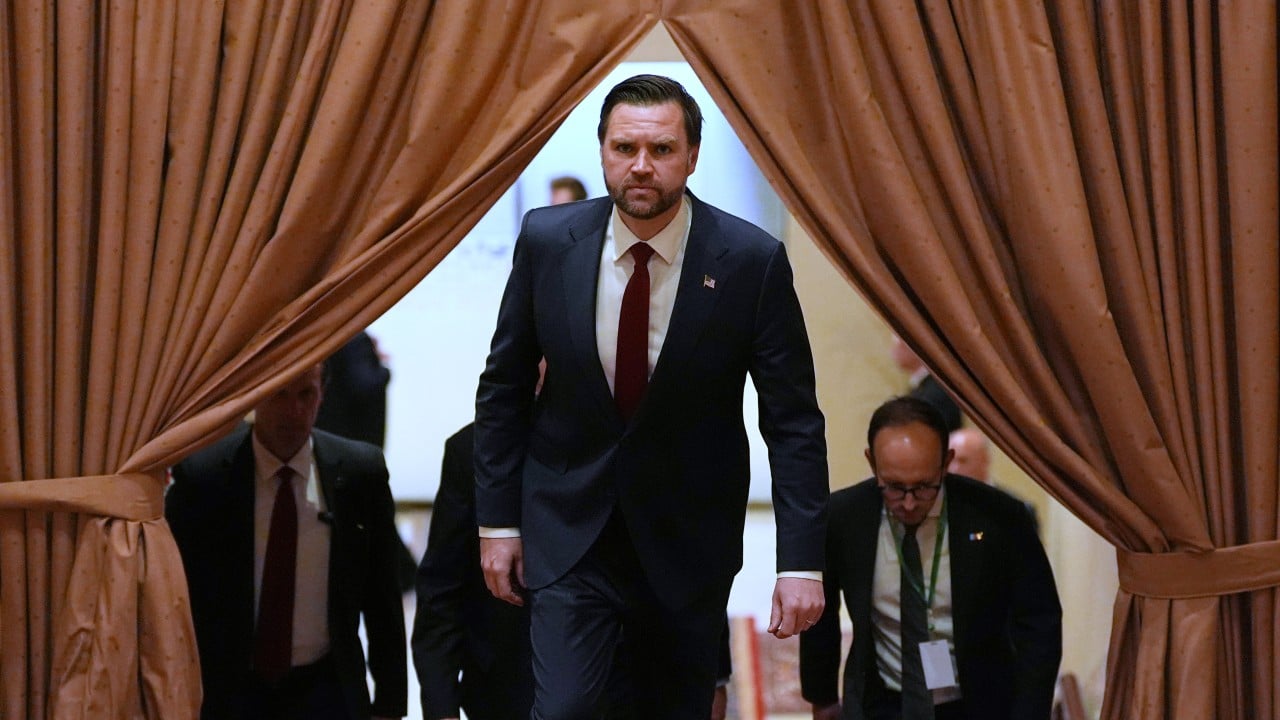
The collapse of the marathon negotiations in Islamabad this weekend was not a simple diplomatic stalemate. It was the public fracture of a specific, high-stakes gamble by Vice President JD Vance to rewrite the rules of global leverage. For 21 hours, Vance sat across from Iranian Speaker Mohammad Bagher Ghalibaf, attempting to secure a total nuclear surrender in exchange for a temporary reprieve from a naval blockade. The talks failed because the Trump administration underestimated a fundamental shift in regional power: Iran no longer views Western approval as its only path to survival.
Vance walked to the microphones in the Pakistani capital on Sunday morning, boarding Air Force Two with a thumb-up and a dismissive shrug, claiming the failure was "bad news for Iran much more than it's bad news for the United States." This projection of strength masks a deepening crisis. By demanding an "affirmative commitment" that Iran abandon its entire nuclear infrastructure as a prerequisite for peace, the U.S. delegation effectively asked for a total capitulation. In the old world, that might have worked. In 2026, with the Strait of Hormuz effectively under a "toll system" managed by Tehran, the U.S. is finding that the "final and best offer" strategy has lost its teeth.
The Hungarian Ghost in the Room
While the Islamabad talks were crumbling, another pillar of the Vance foreign policy was being demolished in Budapest. For years, Vance has championed Viktor Orbán as the gold standard for a new, "illiberal" Western alliance. Last week, Vance took the extraordinary step of flying to Hungary just five days before their national election, openly campaigning for Orbán and accusing the European Union of "foreign election interference."
The gamble was clear: secure a loyal, populist bridgehead in Europe that could bypass the bureaucracy of Brussels. Instead, Orbán’s ouster after 16 years in power has left Vance’s European strategy in tatters. The loss of his primary ideological ally on the continent means the U.S. now faces a more unified, and more hostile, European Union. The "Vance Doctrine" relied on a network of strongmen who could facilitate backchannel deals. With Orbán gone, that network is shrinking exactly when the U.S. needs it most to help enforce the very Iranian sanctions that failed to produce results in Pakistan.
The Math of the Strait
The conflict isn't just about nuclear centrifuges; it is about the cold reality of energy logistics. Iran has spent the last six weeks proving it can disrupt 20% of the world's oil supply without firing a shot at a tanker. By imposing "transit fees" on vessels moving through the Strait of Hormuz, Tehran has created a functional revenue stream that bypasses traditional banking sanctions.
Vance attempted to use the threat of a full U.S. naval blockade as his primary bargaining chip. However, the Pentagon’s announcement that it is "setting the conditions" to clear the strait implies a level of military escalation that the global markets are already pricing in as a disaster. Oil has flirted with $100 a barrel, and the administration’s plan to stop Chinese and Russian flagged vessels from paying these Iranian "tolls" is a logistical nightmare. If the U.S. Navy begins seizing Chinese tankers, the conflict stops being a regional "war on terror" and becomes a global trade war.
A Failure of Asymmetric Diplomacy
The Islamabad failure reveals a lack of "asymmetric thinking" in the current administration’s approach. Vance entered the room expecting a traditional transaction: we stop the pressure, you stop the program. He didn't account for the fact that Iran’s leadership has already factored the pressure into their survival model.
- Nuclear Leverage: Iran views its 1,000-pound stockpile of enriched uranium as its only insurance policy against a regime-change operation.
- Regional Proxies: The demand for an end to Lebanese and regional proxy support ignores the fact that these groups are Iran's primary defensive perimeter.
- The China Factor: With President Trump scheduled to visit Beijing next month, Iran knows that China is unlikely to support a total U.S. blockade that strangles its own energy needs.
Vance’s reliance on "hyperbolating"—negotiating through wild threats and public ultimatums—worked during the campaign trail, but it is hitting a wall of reality in the Middle East. The Iranians aren't looking for a "method of understanding" that resembles a surrender document. They are looking for a deal that recognizes their new status as a regional disruptor.
The Institutional Cost
The most lasting damage from this "bad week" for the Vice President might be internal. By tying his personal brand so closely to the success of the Islamabad talks and the survival of the Orbán regime, Vance has given his detractors in the State Department and the Pentagon a clear opening. The administration’s preference for "marathon sessions" led by political loyalists rather than career diplomats has produced two very public, very avoidable defeats.
Field Marshal Asim Munir and the Pakistani mediators did their part, locking down a city of two million to provide a secure venue. The failure wasn't a lack of hospitality; it was a lack of flexibility. When you tell a cornered adversary that your first offer is also your "final and best offer," you leave them with no choice but to fight their way out.
The U.S. military is now moving toward a blockade of Iranian ports. This is a definitive action step that will test the limits of American sea power and the patience of the global economy. As the two-week ceasefire nears its expiration on April 21, the world isn't watching a masterclass in deal-making. It is watching the messy, violent recalibration of a superpower that thought it could win by simply raising the volume.