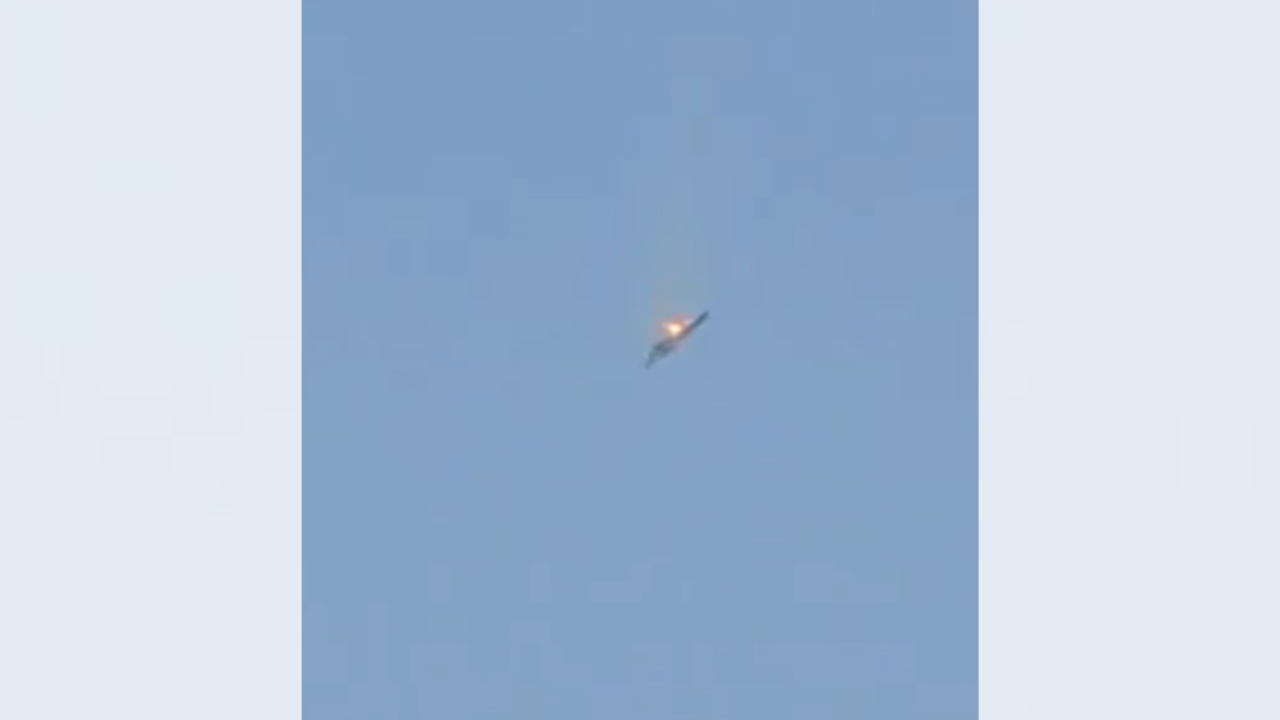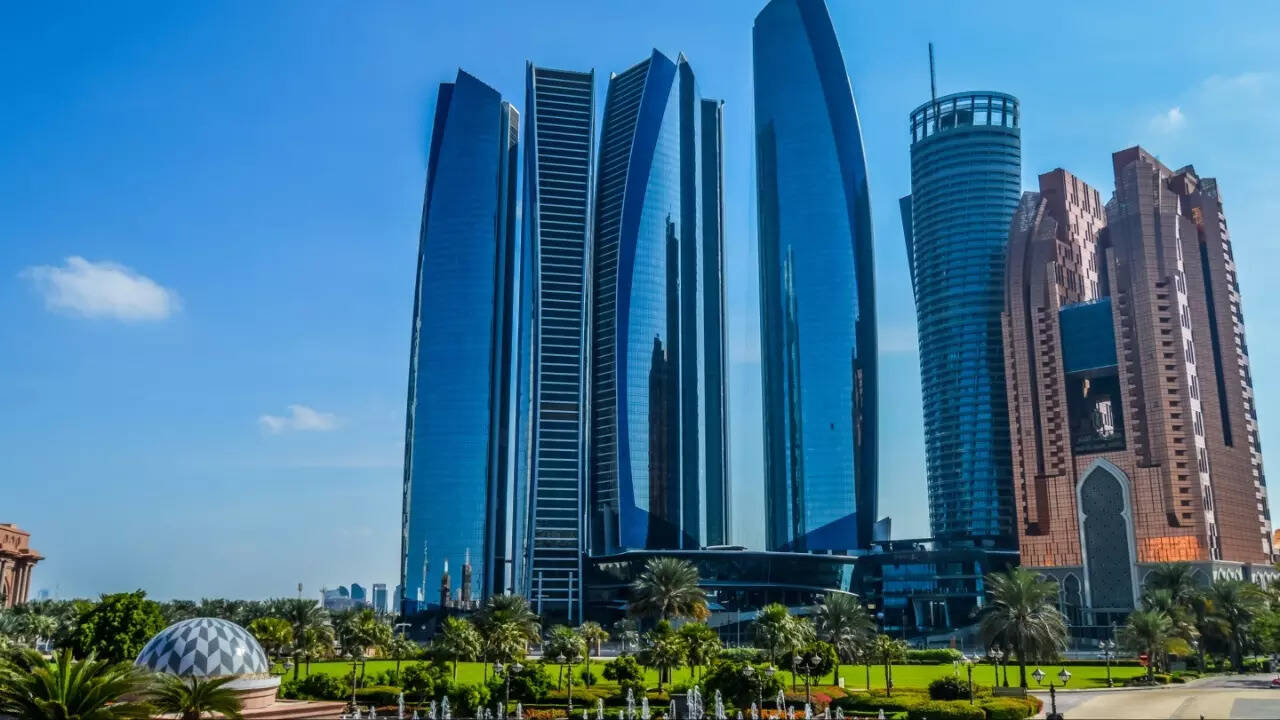
The sound of an interception isn't something you forget. It’s a sharp, bone-shaking crack that signals your air defenses just saved lives, even if the fallout feels chaotic. Over the weekend, that sound echoed across Abu Dhabi as the UAE’s multi-layered defense shield swatted away a wave of hostile drones and missiles. While the "win" belongs to the military, the reality on the ground was a bit messier. Debris from an intercepted drone slammed into the facade of the iconic Etihad Towers, injuring a woman and her child and reminding everyone that "intercepted" doesn't always mean "gone."
If you’re looking for a simple narrative, you won't find it here. This isn't just a random act of aggression; it’s the physical manifestation of a massive regional spillover involving Iran, the US, and Israel. When the big players trade blows, the shrapnel literally lands in the backyards of global hubs like Abu Dhabi and Dubai. Read more on a similar issue: this related article.
Why Interceptions Still Cause Damage
People often assume that hitting a drone with a missile means the threat vaporizes into thin air. It doesn't. Physics is stubborn. When an interceptor hits a suicide drone, the kinetic energy and the secondary explosion break the target into hundreds of high-velocity fragments. In the case of the Etihad Towers incident, the defense systems did exactly what they were designed to do—prevented the drone from reaching its primary target—but the laws of gravity dictated where the wreckage ended up.
Authorities confirmed that the mother and child sustained minor injuries, which is a miracle considering the height and weight of the falling debris. The Etihad Towers complex isn't just a luxury residential and hotel spot; it also houses the Israeli embassy and several other diplomatic missions. That makes the location a high-stakes lightning rod in the current climate. More analysis by NBC News explores related perspectives on the subject.
The UAE Ministry of Defence hasn't been shy about the numbers. Since this latest escalation began, they’ve tracked and neutralized:
- Over 150 ballistic missiles.
- More than 500 drones.
- Multiple cruise missiles.
Most of these are being dropped into the sea or unpopulated desert patches, but when the volume of fire is this high, the "leakers" or the debris from successful hits inevitably find civilian infrastructure.
The Regional Chessboard Hits the Gulf
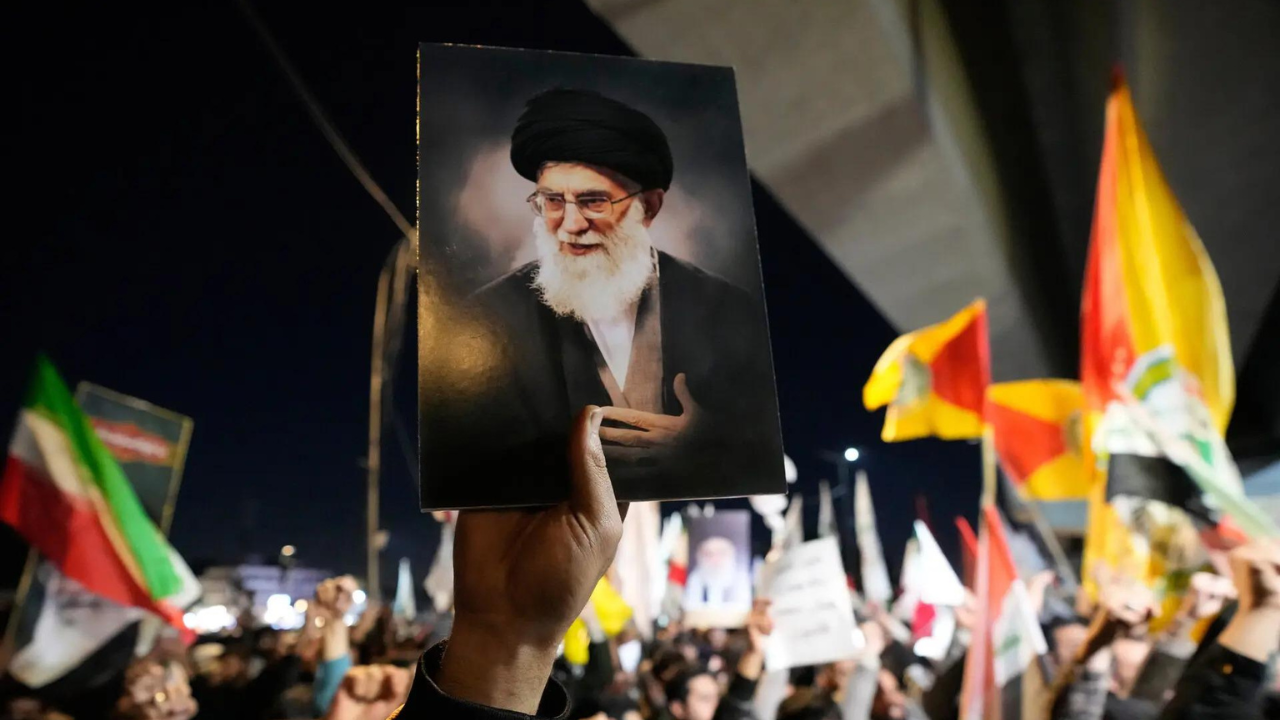
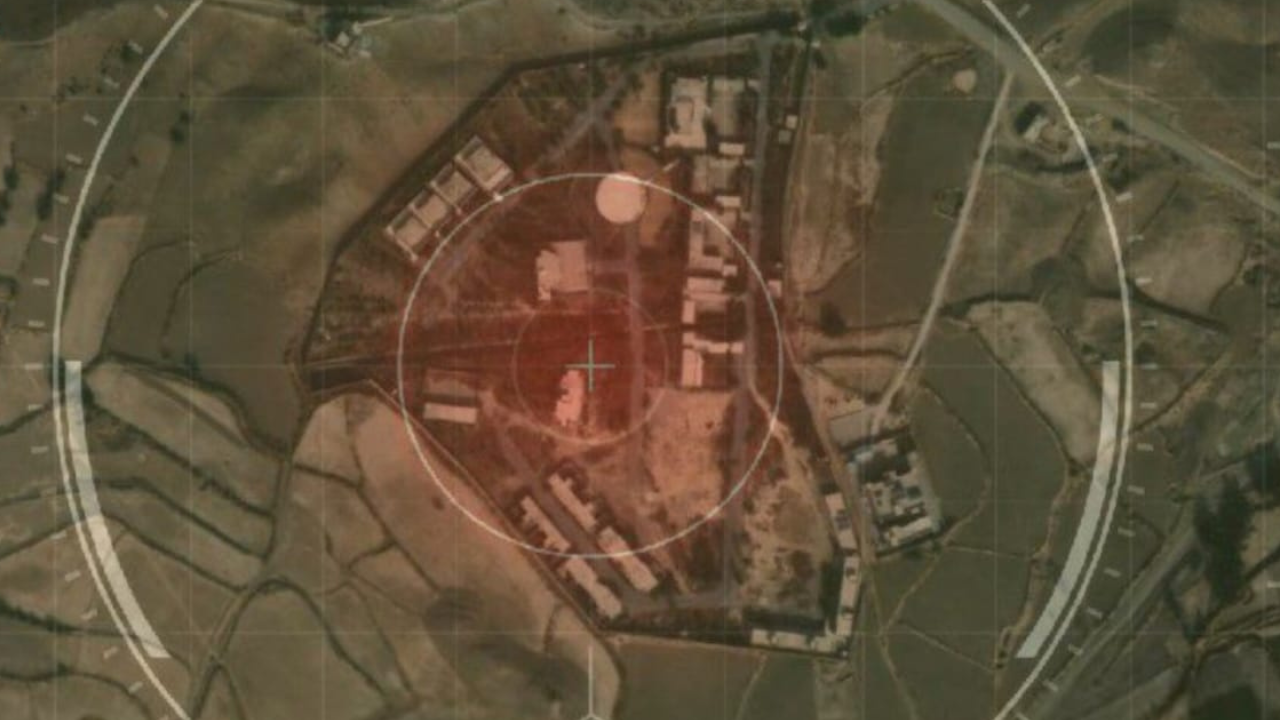
You can't talk about Etihad Towers without talking about the broader war. This latest surge follows coordinated US and Israeli strikes on Iranian soil. Iran’s retaliation strategy has shifted. Instead of just aiming at military outposts, they're leaning into "gray zone" tactics—targeting the economic and psychological stability of the UAE and Qatar.
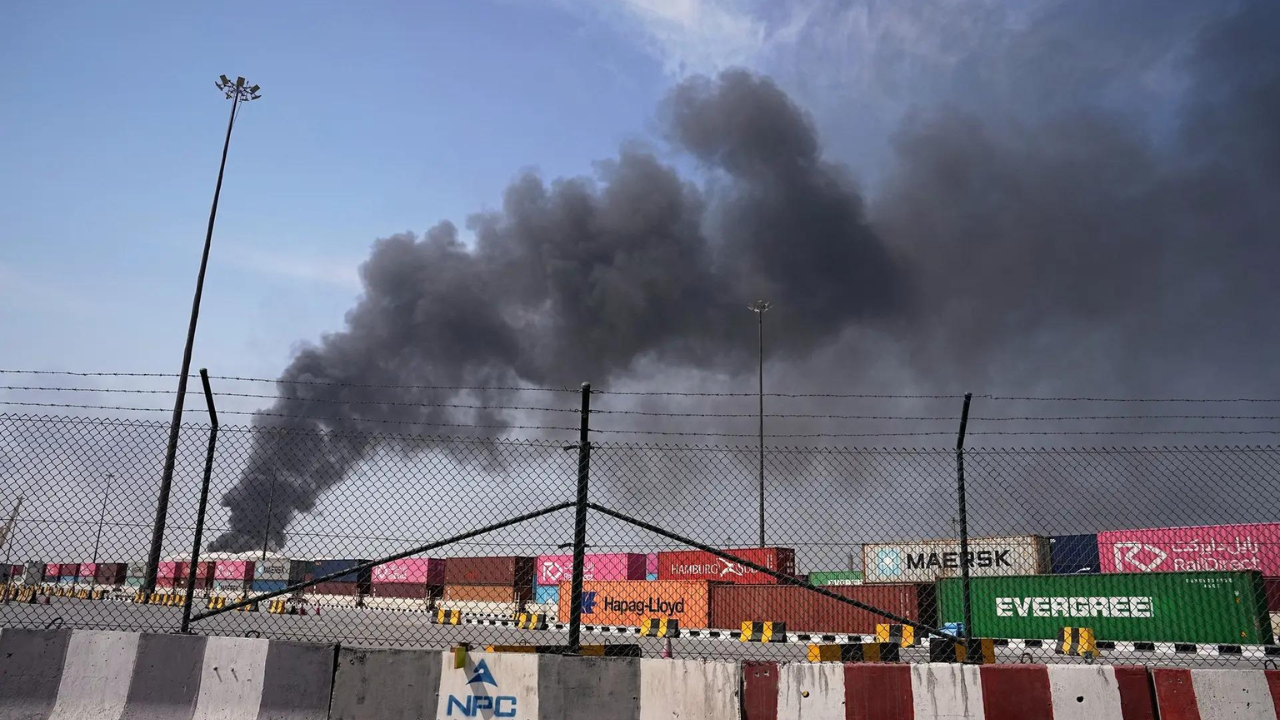
It’s a calculated move. By forcing sirens to go off in Dubai and Abu Dhabi, they're attacking the image of the Gulf as a safe, neutral sanctuary for global business. We saw smoke rising near Jebel Ali Port and damage reported near the Burj Al Arab and the Palm Jumeirah. These aren't military bases; they're the crown jewels of the Middle Eastern economy.
The UAE finds itself in a tough spot. It has some of the most sophisticated air defense tech in the world, including the Terminal High Altitude Area Defense (THAAD) and Patriot systems. But even the best tech has a saturation point. When you're facing hundreds of "low and slow" drones mixed with high-speed ballistic missiles, the math becomes incredibly difficult for any commander.
What Residents Need to Know Right Now
If you live in the UAE or are planning to visit, the official line is "stay calm," but the practical advice is "be smart." The government has been very proactive about clearing debris sites, but there’s a serious risk to the "curious bystander" effect.
- Don't touch the wreckage. It’s tempting to grab a photo for social media, but unexploded ordnance or toxic fuel residues are real risks.
- Ignore the WhatsApp rumors. During the Etihad Towers event, fake videos of "total destruction" started circulating within minutes. Stick to the Abu Dhabi Media Office or WAM for the actual facts.
- Follow remote work advisories. When the Ministry advises private sector employees to stay home, it isn't just a suggestion—it’s to keep the roads clear for emergency services and to minimize the number of people in glass-heavy areas during active interceptions.
The logistics of the country are remarkably resilient. Even with the fires at Jebel Ali and the incidents at Zayed International Airport, operations haven't ground to a halt. DP World and the General Civil Aviation Authority (GCAA) have been running contingency plans that keep the supply chains moving, even if your flight is delayed or your commute is redirected.
Navigating the New Normal
Honestly, the UAE is proving that it can take a punch and keep standing. The defense forces are hitting a success rate that most NATO countries would envy. However, the "minor material damage" reported at Etihad Towers is a sobering look at how thin the margin of safety is during a regional conflict of this scale.
The government is clearly prioritizing the safety of its diverse population—which includes over 200 nationalities—but the geopolitical reality is that as long as the Iran–US–Israel tension stays at a boil, the skies over the Gulf will remain a front line.
Check your local emergency alerts daily and make sure your workplace has a clear protocol for "loud sounds" or official shelter-in-place orders. The best way to handle this is to stay informed through official channels and avoid the temptation to speculate on social media.
Move your car to covered parking if you can, stay away from floor-to-ceiling windows during active alerts, and keep your phone charged. The UAE's defense shield is tough, but being prepared on an individual level is what actually keeps the community safe.