Every six months, like clockwork, the rumor mill kicks into gear. People start whispering that Tim Cook is about to pack his bags and hand over the keys to the kingdom at Apple. It’s a compelling narrative. It fits the classic tech hero arc—the successor finally passes the torch, the company faces a new dawn, and the stock market loses its collective mind.
Here is the problem with those rumors. They are almost always wrong.
Apple isn’t a scrappy startup anymore. It hasn’t been for decades. When people talk about Cook stepping aside, they are usually looking for a dramatic exit that mirrors Steve Jobs’ style. They want a visionary to step up to the microphone, announce a revolutionary product, and change the world all over again.
That is not the Apple of 2026.
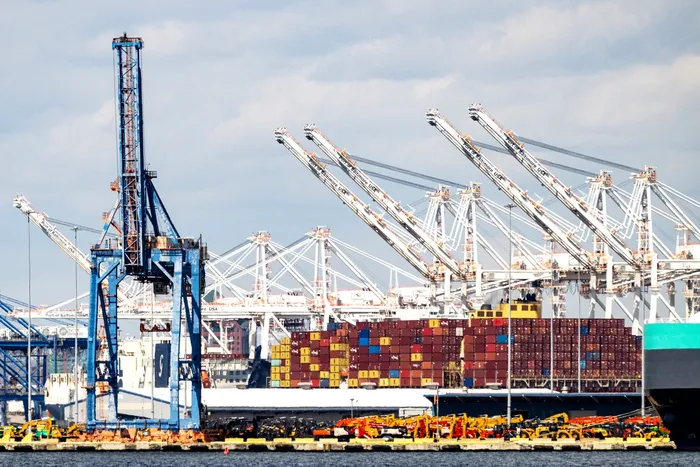
Apple today is an operations machine. It is an intricate, global supply chain that moves hundreds of millions of units with surgical precision. It is a service behemoth that extracts value from a billion active devices. The company doesn't need a messiah. It needs a high-level manager who understands how to balance hardware margins, software lock-in, and aggressive regulatory battles.
If you are looking for the next Steve Jobs, you are looking in the wrong place. You should be looking for a successor who can keep the trains running on time.
Why the Succession Anxiety Persists
Investors get nervous because they associate Apple’s success with the person at the top. They remember the post-Jobs panic. They saw the stock fluctuate when Cook first took over in 2011 because analysts thought he lacked the "visionary" spark.
They were wrong then. They are wrong to obsess over it now.
Cook’s tenure has been the most financially successful period in corporate history. He didn't do it by being Jobs. He did it by professionalizing the company. He took a business that was obsessed with the next big "thing" and turned it into a business obsessed with the next big "ecosystem."
When the transition eventually happens—and it will, because nobody stays CEO forever—the board won't be looking for someone to reinvent the iPhone. They will be looking for someone who can maintain the delicate balance of the current operation. They need someone who understands that Apple’s value isn't just in the glass and aluminum; it's in the subscription fees, the cloud storage, and the deep, frustrating, and profitable integration between every piece of hardware they sell.
The Likely Path for the Next Leader
The beauty of the current leadership structure at Apple is that it isn't centralized around one person anymore.
Cook has spent years building a bench. You see it in the way the company executes product launches. It is no longer just Tim on stage. You see Craig Federighi owning the software narrative. You see John Ternus handling the hardware engineering. You see Jeff Williams managing the day-to-day operations.
These aren't just deputies. They are the future of the company.
If you want to know who is going to be in charge, watch the internal promotions. Watch who presents during the big events. Watch who the board trusts with the biggest product lines.
The most likely candidate in any scenario is a known quantity. Apple has a long history of promoting from within. They value culture fit over external disruption. They don’t hire outside CEOs to come in and "shake things up" because shaking things up at Apple is a dangerous game. It risks breaking the supply chain or alienating the user base.
The ideal successor is someone who has been inside the building for a decade. They need to know the specific, quiet, and intense way Apple makes decisions. You cannot learn that from a Harvard business case study. You learn it by sitting in a conference room in Cupertino watching a design review go sideways.
The Real Challenges the Next CEO Will Face
Whoever steps into that chair is not going to have an easy life. The challenges facing the next Apple CEO have nothing to do with the lack of a "visionary" leader. They have everything to do with the reality of being a massive, global entity.
- Antitrust pressure: Every government on the planet is currently trying to break apart the App Store monopoly or force Apple to open up its ecosystem. The next CEO will need to be a diplomat as much as a business leader.
- China dependencies: Cook navigated the relationship with China masterfully. Can his successor keep those manufacturing lines moving while political tensions rise? That is the billion-dollar question.
- The "Next Big Thing" fatigue: Everyone wants the next iPhone. Apple has tried to find it with the Watch, the Vision Pro, and various services. The next CEO has to decide whether to keep chasing the next hardware device or pivot hard into AI-driven services.
These aren't problems that a visionary solves with a keynote speech. These are problems solved by lawyers, supply chain experts, and strategic negotiators.
Stop Waiting for a Steve Jobs Moment
The media loves a story about a CEO quitting. It drives clicks. It feeds the narrative that tech companies are fragile empires waiting to crumble.
But Apple is not fragile.
If Cook leaves tomorrow, the stock might dip for a few hours. Then the market will realize that the supply chain is still churning, the services revenue is still recurring, and the customers are still locked into their ecosystem. The machines will keep humming.
The obsession with who replaces him is a distraction from the real business story: Apple has successfully evolved from a charismatic founder-led company into a stable, institutionalized corporation. That is a rare feat in technology. Most companies wither when their founder leaves. Apple has managed to survive and thrive.
If you are invested in the company, or if you just care about the industry, pay attention to the operational stability. Pay attention to how they manage the next wave of government regulation. Pay attention to their margins.
Do not waste your energy waiting for a dramatic resignation or a flashy new successor who will change everything. The people running the show at Apple don’t want to change everything. They want to keep the machine running exactly as it is, just a little bit more efficiently, quarter after quarter.
The next era of Apple won't be defined by a personality. It will be defined by institutional consistency. That might be boring to write about, but it is exactly what shareholders and customers want to see. The next time you see a headline screaming about a CEO exit, just remember: the Apple machine is much bigger than any one person.