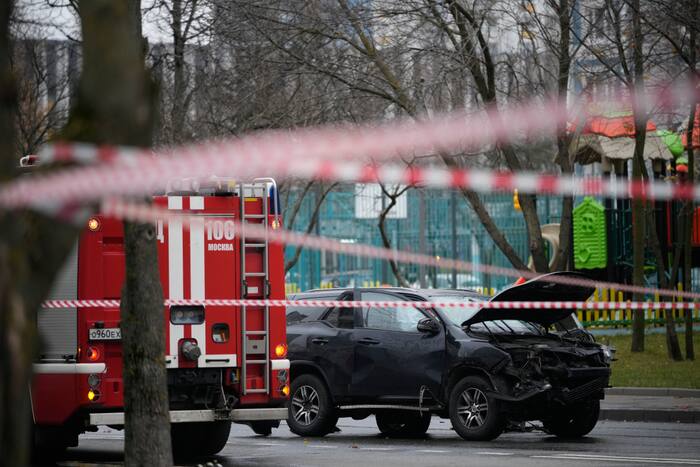
Two weeks ago, on Friday, November 13, 2026, a packed minibus slammed head-on into a container truck on National Highway 715 near Rangajan, right beside Assam's Kaziranga National Park. Early wire reports put the death toll at 24 killed and 11 injured, with college students making up a devastating share of the victims. Within twenty-four hours, as critically wounded passengers succumbed at Jorhat Medical College and Hospital, the death toll climbed to 26.
Most news outlets ran the breaking alert, quoted a few politicians, and moved on. They missed the real story.
This wasn't a freak highway accident. Police investigators in Golaghat district quickly uncovered a trail of deliberate regulatory sabotage, unpaid speeding tickets, and severe overcrowding that turned a routine afternoon commute into one of the deadliest road disasters in Assam's history. If you want to understand why Indian highways remain so lethal—and what actually happened on that stretch of road beside a UNESCO World Heritage Site—you have to look past the initial headlines.
How the Kaziranga Bus Crash Unfolded
Around 2:30 PM on November 13, a commercial Force Traveller minibus was traveling west from Golaghat toward Nagaon. Moving in the opposite direction, headed toward Upper Assam, was a heavy container truck.
The two vehicles met near the Hathikuli tea estate in the Kohora range, a corridor where NH-715 hugs the boundary of Kaziranga National Park. According to the truck driver—who survived with minor injuries—and preliminary findings from Golaghat police, the minibus was moving at high speed when the driver lost control, crossed out of his lane, and struck the oncoming truck head-on.
The impact was catastrophic. Both the minibus driver and his helper died instantly at the scene.
Because the crash happened in the afternoon, the minibus was filled with college students heading home from classes, alongside women, children, and elderly residents. Local villagers and police rushed in to pull survivors from the twisted metal before ambulances ferried the wounded to Kohora Model Hospital. From there, doctors transferred the most severe cases to Bokakhat Civil Hospital and Jorhat Medical College and Hospital.
By the next morning, senior doctors at Kohora Model Hospital confirmed 26 dead. Eighteen survivors remained hospitalized, with seven fighting for their lives in intensive care.
The Speed Limiter That Wasn't There
Here's the detail that changes everything about how you view this crash.
Two days after the collision, Assam Police revealed that the minibus owner had physically removed the vehicle's mandatory speed-limiting device. Under Indian transport rules, commercial passenger vehicles must carry an electronic speed governor that caps top speed. The owner and driver allegedly stripped it out for one simple reason—to squeeze in more daily trips and make more money.
Think about that. Someone took a wrench to a basic safety device so a passenger van could shave minutes off a regional route.
Golaghat District Transport Office records proved this wasn't an isolated lapse. Registered to Anjir Ali of Nagaon, the minibus had a documented history of reckless driving. On March 3, 2026, enforcement cameras in Jorhat caught the exact same vehicle clocking 102 km/h, earning a Rs 4,000 fine. It had also racked up multiple overspeeding penalties specifically inside the Kaziranga corridor, with several fines sitting unpaid at the time of the crash.
Overcrowding Turned a Collision Into a Mass Casualty Event
Speed caused the crash, yet overcrowding multiplied the body count.
A standard Force Traveller minibus is typically configured to carry between 12 and 26 passengers depending on the wheelbase. Officials told the Press Trust of India that roughly 45 people were crammed inside that vehicle when it hit the truck.
When you pack nearly double the safe passenger load into a light commercial van, three things go wrong immediately:
- Braking distances stretch dramatically. Extra human weight pushes the suspension and brakes past their design limits, making emergency stops almost impossible at high speeds.
- The center of gravity shifts. A top-heavy, overloaded van loses lateral stability the second a driver swerves to avoid an obstacle.
- Unbelted passengers become projectiles. People sitting on makeshift stools or standing in the aisle have zero restraint protection during a frontal impact.
Anyone who has traveled on regional routes in Northeast India knows how common this is. Operators routinely pack extra commuters into every square inch of floor space because enforcement checkpoints are predictable and easy to dodge. Until a container truck appears in the wrong lane, nobody stops them.
Why the Kaziranga Corridor Is Uniquely Dangerous
The location of this wreck isn't just tragic irony because it happened next to a famous wildlife sanctuary. The geography and traffic rules around Kaziranga National Park create a specific set of hazards that drivers routinely ignore.
NH-715 runs directly alongside Kaziranga's southern boundary. Because the park is home to the world's largest population of Indian one-horned rhinoceroses, elephants, and swamp deer, animals frequently cross the asphalt—especially during floods or seasonal migrations. To protect wildlife, authorities enforce strict speed caps along designated animal corridors, dropping limits down to 20 km/h and 40 km/h with sensor cameras monitoring traffic.
Here's the problem with mixing strict wildlife speed zones and commercial highway traffic:
- Extreme speed differentials. Heavy long-haul trucks and cautious tourists slow down near the animal corridors, while impatient local minibuses roar past them to make up lost time.
- Two-lane undivided stretches. On sections without physical concrete medians, overtaking a slow truck means gambling directly against oncoming traffic.
- Predictable camera blind spots. Local drivers memorize where the speed-trap sensors sit, braking briefly for the cameras before flooring the accelerator once they clear the zone.
Ironically, the speed cameras worked in March when they clocked this minibus at 102 km/h. What failed was the follow-through. A vehicle with multiple unpaid speeding violations and a missing speed governor was still legally plying a busy student route eight months later.
The Official Response and What Changed After November 13
In the immediate aftermath, state and national leaders moved quickly on compensation and damage control.
Prime Minister Narendra Modi announced an ex-gratia payment of Rs 2 lakh from the Prime Minister's National Relief Fund for the families of each deceased victim, alongside Rs 50,000 for the injured. Assam Chief Minister Himanta Biswa Sarma visited the Rangajan crash site on November 14 and announced a combined state-and-central relief package of Rs 9 lakh per bereaved family—combining Rs 5 lakh from the Chief Minister's Relief Fund, Rs 2 lakh from the State Disaster Management Authority, and the Rs 2 lakh central contribution. By November 24, Sarma had personally begun handing over initial Rs 5 lakh cheques to victims' families.
More importantly, the state government rolled out a 12-point road safety action plan and activated district-level road safety task forces in line with Supreme Court directives. Forensic teams from Guwahati examined the wreckage at Rangajan, and district officials launched a formal inquiry into both speed-limiter tampering and illegal overloading.
What Needs to Happen Next to Stop Repeat Tragedies
Compensation cheques help grieving families pay funeral bills and survive the loss of a breadwinner, yet money doesn't fix a broken enforcement system. Golaghat district suffered another deadly bus-truck collision near Dergaon back in January 2024, triggering similar promises and relief announcements. Less than three years later, 26 more people died on the exact same highway network.
If Assam's 12-point safety plan is going to mean anything beyond press releases, transport authorities and commuters have to change how they operate right now.
For Transport Regulators and Police
- Auto-suspend permits on unpaid speeding challans. A commercial vehicle with three or more unpaid overspeeding fines shouldn't be allowed to renew its fitness certificate or insurance.
- Conduct surprise physical inspections for speed governors. Checking speed limiters only during scheduled annual fitness tests doesn't work when owners unscrew them the next afternoon. Roadside transport squads need mobile diagnostic checks at highway toll plazas.
- Penalize vehicle owners, not just drivers. Drivers take the blame when crashes happen, yet owners set the impossible trip schedules and remove safety equipment to boost daily revenue. Canceling fleet permits hits owners where it actually hurts.
For Daily Commuters and Students
- Refuse to board visibly overloaded minibuses. Waiting twenty minutes for the next bus feels annoying when you're trying to get home from college, yet standing in the aisle of a packed Traveller puts you in the highest-risk zone on the road.
- Report tampered vehicles and reckless drivers immediately. Use India's national emergency helpline (112) or the state transport department's citizen reporting portals to log license plate numbers when a commercial driver is weaving through traffic or ignoring speed limits.
- Know your emergency medical rights. Under the central government's PM-RAHAT scheme, road accident victims in India are eligible for cashless hospital stabilization treatment up to Rs 1.5 lakh for the first seven days after a crash, and Good Samaritans who call 112 or bring victims to a hospital are legally protected from police harassment.
The 26 people killed near Kaziranga didn't die because NH-715 is cursed. They died because a vehicle owner ripped out a mandatory safety device, ignored multiple speeding fines, and packed 45 human beings into a van built for half that number. Until repeat offenders lose their right to operate before a crash happens, highways across India will keep claiming lives that never should have been at risk.