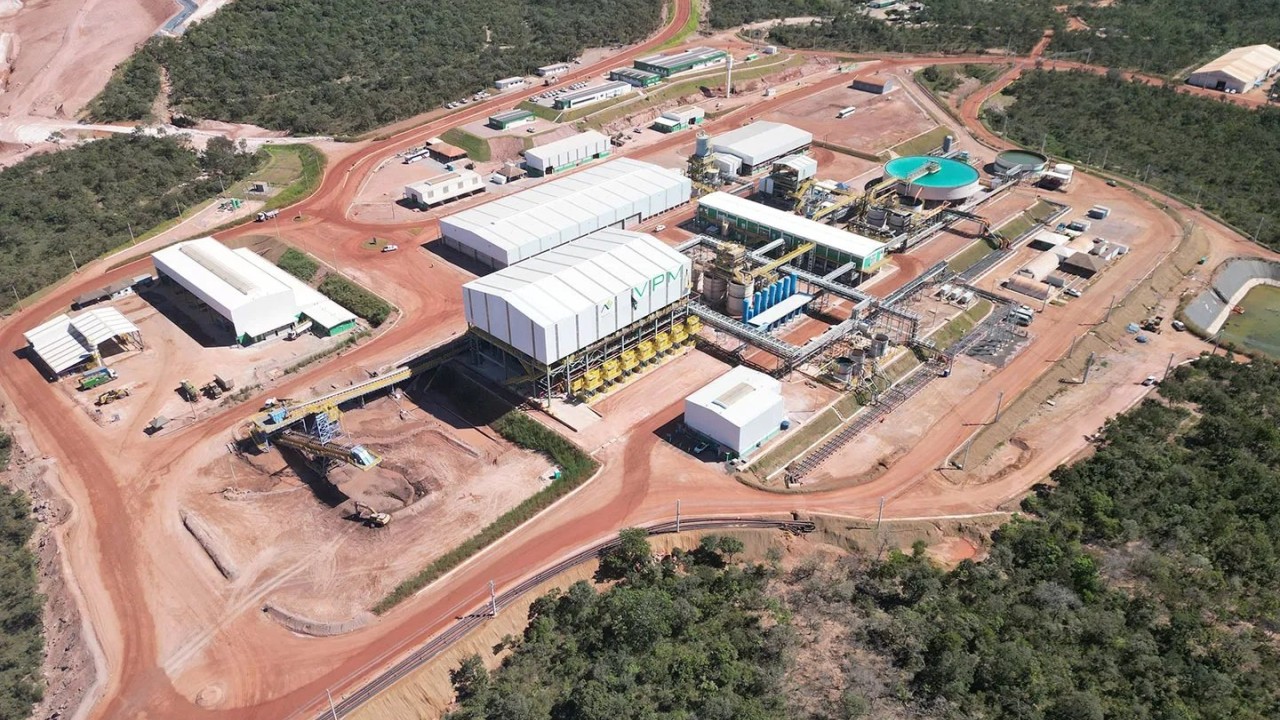
Deep in the iron-rich heart of Minas Gerais, the dust doesn't just settle. It stains. It clings to the boots of miners and the fenders of trucks, a rust-colored reminder that Brazil sits atop a literal gold mine of the modern age. But for decades, the story of Brazilian soil followed a predictable, frustrating script. Dig it up. Ship it out. Buy it back later at ten times the price.
This is the cycle Brazil is finally trying to break.
The world is currently obsessed with "rare earths"—those seventeen elements with names like neodymium and praseodymium that sound more like sci-fi planets than industrial necessities. Without them, your smartphone stays silent. Your electric vehicle stays parked. Your wind turbines stop spinning. For the last thirty years, China has held the keys to this kingdom, controlling nearly 90% of the processing power required to turn raw dirt into high-tech magnets. Now, Brazil is stepping into the light, and they aren’t coming as a simple supplier. They want the factory, not just the mine.
The Myth of the Simple Stone
Think of a rare earth element like a stubborn seed buried deep inside a heavy fruit. Extracting the fruit is easy; getting the seed out, cleaning it, and prepping it for planting is an agonizingly complex chemical process. In the past, Brazil was content to be the orchard. They grew the fruit and sold it cheap to offshore kitchens.
But there is a growing realization in Brasília that being an orchard is a path to permanent poverty.
When you export raw ore, you export jobs. You export innovation. You export the future. The Brazilian government's recent mandate—that rare earth minerals must be processed domestically—is a line in the sand. It is an economic declaration of independence. If you want the "green gold" buried in the Brazilian highlands, you have to build the refineries on Brazilian soil. You have to hire Brazilian engineers. You have to invest in the local grid.
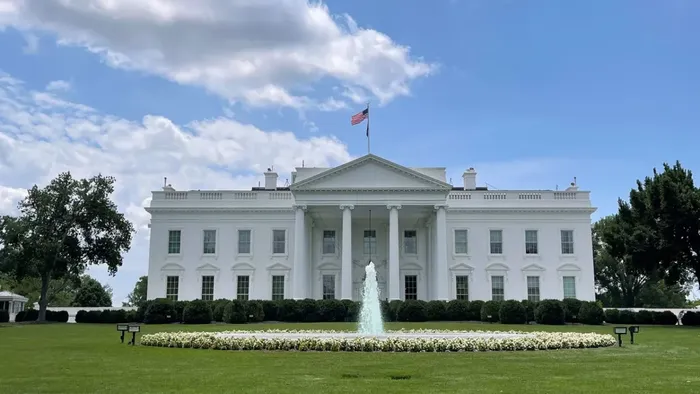
The stakes are invisible to the average consumer, but they are existential for the global economy. Washington is watching with bated breath. Beijing is watching with a calculated scowl.
A Tale of Two Miners
Consider a hypothetical engineer named Elena. In the old world, Elena would study metallurgy in São Paulo and promptly move to Perth or Denver because there was no work for her at home beyond basic excavation oversight. She would watch as the monazite sands of her coastline were packed into containers and sent to plants in Malaysia or China.
In the new world Brazil is building, Elena stays. She works at a multi-billion dollar solvent extraction plant in the state of Goiás. She oversees the separation of magnets that will eventually power the motors of a car assembly line in the South. The value stays in the community. The "brain drain" reverses. This isn't just about chemistry; it’s about dignity.
However, building this reality is brutally difficult. Rare earth processing is notoriously "dirty" if not handled with surgical precision. The ores often contain radioactive thorium or uranium. Separating them requires thousands of stages of chemical baths. To do this at home, Brazil has to prove it can handle the environmental debt that comes with high-tech wealth.
The Geopolitical Tug of War
The timing isn't accidental. We are living through a period of "friend-shoring." The United States is desperate to find any source of magnets that doesn't involve a supply chain passing through the South China Sea. They see Brazil as a natural partner—a democratic giant with a massive mining history.
But Brazil is playing a smarter game than just being "not China."
By demanding domestic processing, Brazil is forcing the hand of Western investors. The message is clear: if you are truly afraid of your current supply chains, prove it by building something here. Don't just buy our rocks. Build our industry.
There is a tension here that most analysts miss. Many Western companies are used to the old colonial-lite model of extraction. They want the minerals fast and they want them cheap. Brazil’s new stance makes the minerals neither fast nor cheap in the short term. It requires massive capital expenditure. It requires patience.
It is a gamble. If Brazil pushes too hard, investors might flee to African nations with fewer regulations or to the deep-sea mining frontiers. But the Brazilian government is betting that their reserves—the third largest in the world—are too big to ignore.
The Ghost in the Machine
We often talk about the "energy transition" as if it’s a magical shift from bad oil to good wind. We forget that a wind turbine is a massive monument to mining. A single 3-megawatt turbine requires about two tons of rare earth magnets.
When you look at a sleek, white turbine blade spinning over the Atlantic, you are looking at the end product of a violent, complex industrial struggle. If Brazil succeeds, those magnets will have a "Made in Brazil" stamp hidden deep within the motor. That stamp represents a shift in the global hierarchy. It represents the Global South refusing to be a mere warehouse for the North’s green dreams.
The complexity is staggering. You can't just flip a switch and have a refinery. You need specialized labor. You need a steady supply of specific acids. You need a regulatory framework that doesn't change every time a new president is inaugurated.
This is where the fear creeps in. Brazil has a history of "voo da galinha"—the chicken's flight. Brief bursts of economic soaring followed by a sudden, heavy thud. Can they maintain the consistency needed to run some of the most complex chemical plants on Earth?
The Price of Sovereignty
There is a specific kind of silence in a high-tech clean room, a stark contrast to the roar of a traditional open-pit mine. That silence is what Brazil is buying. They are moving from the noise of the pickaxe to the precision of the spectrometer.
The cost of this transition will be felt at the checkout counter. Processing minerals in a country with labor laws, environmental protections, and democratic overhead is more expensive than doing it in a shadow-veiled industrial zone elsewhere. We, the consumers, have been living on the "discount" provided by concentrated, unregulated supply chains for decades.
That era is dying.
Brazil's demand is a signal that the era of cheap, "consequence-free" extraction is over. If we want a green world, we have to pay the true price of the materials. We have to accept that the nations providing the ingredients deserve a seat at the table where the meal is served.
The red dirt of Minas Gerais is no longer just something to be moved out of the way. It is the foundation of a new kind of power. Not the power of the barrel of oil, but the power of the magnetic field.
The next time you tap your screen or feel the silent torque of an electric motor, remember the red dust. Remember that somewhere, a nation decided it was tired of being the orchard and started building the kitchen. The transition to a green future is being written in the hills of Brazil, and for the first time in a century, the Brazilians are the ones holding the pen.
The world is about to find out if it is willing to pay the price for a supply chain that finally has a conscience.