The foreign policy establishment is holding its breath again. According to the standard consensus, Yemen is "edging closer to a renewed confrontation." Analysts point to stalled UN negotiations, sporadic skirmishes along the Marib front, and Red Sea naval posturing as proof that the fragile truce is about to shatter into a bloody, renewed civil war.
They are misreading the room. For another look, see: this related article.
The conventional wisdom treats Yemen’s conflict as a classic war-and-peace binary. In this simplistic view, actors either want a signed peace treaty or they are actively preparing to march back to the trenches. But this view ignores the cold, financial reality on the ground.
Yemen is not on the brink of a major military escalation. Why? Because the current state of "no war, no peace" is far too lucrative for the people running the show. Similar reporting on this matter has been provided by Reuters.
The Economy of Forever-Stalemate
Western think tanks love to map Yemen using military control lines. They draw neat boundaries showing Houthi territory, Southern Transitional Council (STC) strongholds, and areas nominally held by the Presidential Leadership Council (PLC).
These maps lie. They suggest distinct, warring entities. In reality, these factions are business partners in a highly integrated, shadow economy that thrives precisely because the conflict remains unresolved.
I have watched billions of dollars in humanitarian aid, fuel shipments, and black-market trade disappear into this exact type of conflict sinkhole. When a war drags on for a decade, the combatants stop fighting for victory. They start fighting for market share.
- Double Taxation Cartels: Goods moving from the port of Aden to Houthi-controlled Sana'a are taxed by the STC at southern checkpoints, taxed again by tribal middlemen in the central highlands, and taxed a third time by Houthi customs authorities at the "border."
- The Fuel Arbitrage: Fuel blockades and partial lifting of restrictions have created a massive artificial scarcity. Elites on both sides control the distribution networks, buying cheap regional oil and selling it at hyper-inflated prices to a captive population.
- The Aid Siphon: A massive chunk of the billions in international humanitarian assistance is routed through local NGOs and distribution networks controlled by warlords.
A full-scale military offensive threatens these revenue streams. It disrupts supply routes. It forces leaders to spend money on ammunition instead of pocketing customs duties. The status quo is a highly stable, profit-sharing agreement masquerading as a tense standoff.
The Red Sea Rhetoric vs. Reality
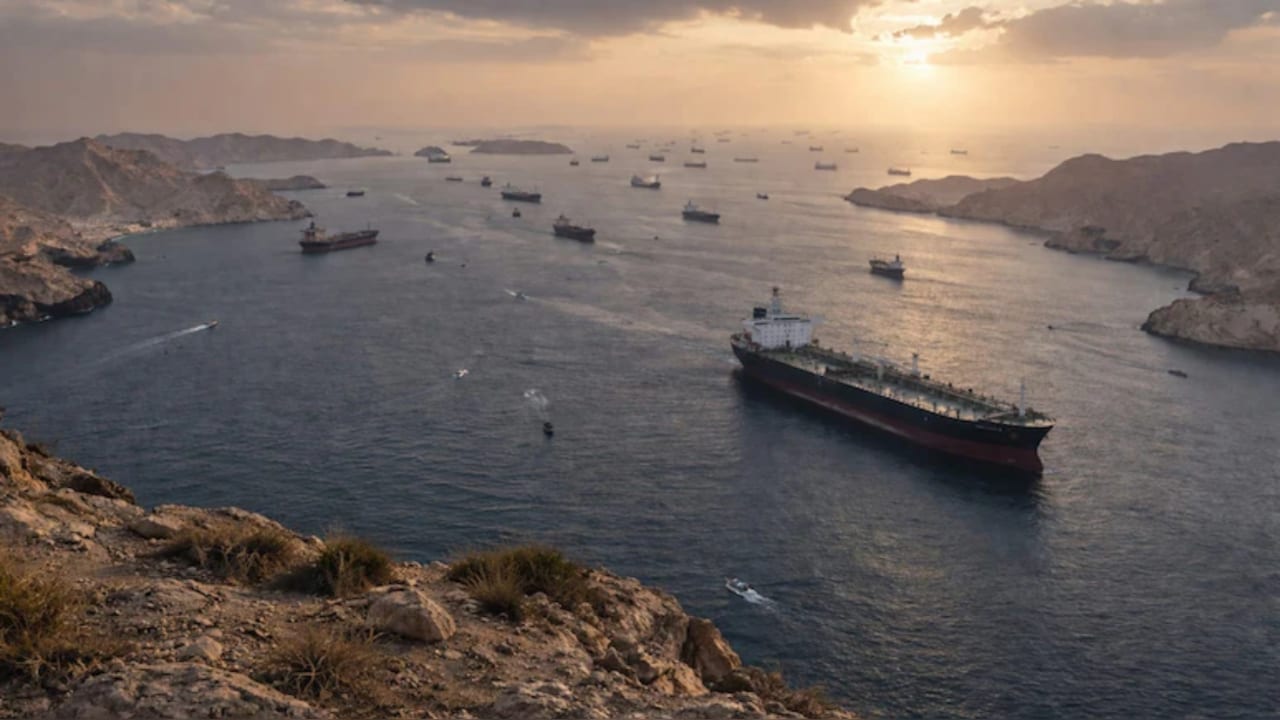
But what about the Houthis' high-profile drone and missile campaigns in the Red Sea? Doesn't their aggressive posturing against international shipping lanes prove they are desperate for a fight?
No. It proves they understand brand management.
For the Houthis, regional escalation is a marketing campaign, not a prelude to a domestic ground war. By positioning themselves as the sole Arab force actively defying Western powers, they achieved two crucial goals:
- Domestic Pacification: They successfully diverted local anger over unpaid public salaries, crumbling infrastructure, and brutal taxation. Anyone protesting domestic economic misery in Sana'a is now branded a traitor to the broader struggle.
- Geopolitical Leverage: They forced backchannel negotiations with Saudi Arabia.
The Houthis do not want to march their forces into the deserts of Marib or the mountains of the south to face a grinding, costly war of attrition. They want to maintain their blockades, keep their population compliant under a permanent state of emergency, and force Riyadh to bankroll their state budget under the guise of "reconstruction."
The Saudi Exit Strategy Nobody Talks About
The lazy consensus insists that Saudi Arabia is trapped in a proxy war and must keep backing its Yemeni allies to counter Iranian influence.
Riyadh wants out. More specifically, Crown Prince Mohammed bin Salman wants out.
The Saudi Vision 2030 economic transformation—built on trillions of dollars in foreign investment, futuristic megaprojects like NEOM, and turning the Kingdom into a global tourism hub—cannot coexist with the threat of ballistic missiles raining down on Riyadh or Jeddah.
Saudi Arabia is not looking to defeat the Houthis anymore; they are looking to buy them off. The Kingdom’s primary goal is to secure its southern border, stop drone attacks, and hand over the keys of Yemen's governance to whatever faction can keep the peace, regardless of their ideology.
The tragic irony is that Saudi Arabia’s desperate search for an exit ramp has stripped their Yemeni allies in the PLC of any real leverage. The southern factions know Riyadh is packing its bags, which makes those southern factions even more desperate to entrench their own localized smuggling and taxation fiefdoms before the foreign funding dries up completely.
Dismantling the "People Also Ask" Delusions
If you search for answers on Yemen, the top queries reveal how deeply flawed the public understanding of this conflict remains. Let’s address the standard assumptions with some brutal honesty.
"Can the UN broker a lasting peace treaty in Yemen?"
No. The UN is playing a game that ended five years ago. They are trying to negotiate a centralized, power-sharing government among factions that have zero interest in sharing power or centralizing revenues. The UN’s insistence on a top-down diplomatic solution simply provides a diplomatic cover for warlords to stall while they consolidate their local monopolies. Peace will not come from a hotel conference room in Geneva; it will only come when the local economic incentives for war are dismantled.
"Is Yemen a sectarian war between Sunnis and Shiites?"
This is the laziest narrative in Middle Eastern reporting. While sectarian rhetoric is used to mobilize young, desperate fighters, the driving force of the conflict is purely transactional. Houthi commanders regularly cut deals with Sunni tribal leaders for oil transit. Southern separatists coordinate tacitly with northern networks to keep trade flowing. It is an economic cartel wrapped in religious slogans.
The Bitter Truth: The Western Playbook is Broken
If you want to actually change the trajectory of Yemen, stop calling for more diplomatic summits and stop treating the warring factions as legitimate government-builders.
The current international approach—pumping in billions of dollars of unstructured humanitarian aid while hoping a political settlement magically appears—only feeds the beast. It subsidizes the warlords, relieves them of the burden of governing, and allows them to keep their populations in a state of manufactured survival.
If the West wants to disrupt this cycle, it must target the money.
- Sanction the Financial Middlemen: Do not just sanction political figureheads who do not care about Western travel bans. Target the exchange houses, shipping agents, and import cartels in Djibouti, Oman, and the UAE that facilitate the shadow trade.
- Decentralize Aid Delivery: Stop funneling aid through central ministries or monopolized distribution networks. Route assistance directly to municipal councils and local, verified civil society groups that are accountable to their communities.
- Force Economic Integration: Make any future reconstruction funding strictly conditional on the reunification of Yemen's split central bank and the standardization of the currency.
Of course, this approach has a massive downside. It requires stomach. Disrupting the shadow economy will cause short-term economic chaos. It will anger the very people who hold the guns. But continuing to play the "imminent war" alarmist game while funding the status quo is not diplomacy. It is complicity.
Stop waiting for the war to restart. It never stopped; it just transitioned into a highly profitable joint venture.