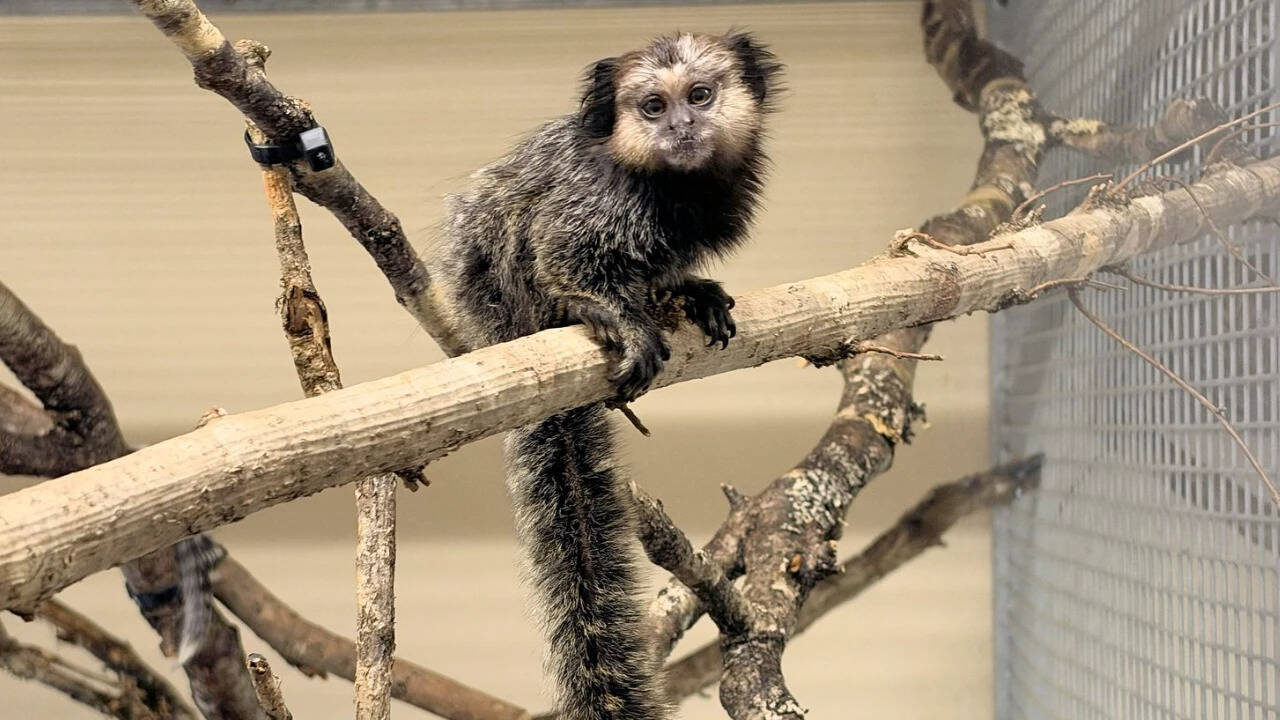
A 140 gram marmoset shivering in a South London garden. Cue the violins. Cue the police press release. Cue the predictable chorus of outrage over "heartless smugglers" and "miracle survivals."
Lazy reporting loves a tiny body. A tiny body triggers instant sympathy. It shuts down critical thinking.
We have seen this exact script play out across wildlife enforcement and exotic rescue work for years. A police force recovers a tiny callitrichid monkey—usually a common marmoset (Callithrix jacchus)—in an urban backyard or alley. The headline focuses on the cold weather, the minuscule weight, and the heroic rescue. Readers click, sigh, and blame a shadowy villain in a trench coat.
That narrative is lazy. Worse, it misses the real machinery driving exotic primate seizures in places like London.
When a marmoset weighs around 140 grams, age and origin are rarely as simple as a garden story implies. Adult common marmosets in captivity typically weigh roughly 250 to 450 grams, depending on sex, age, and diet. A 140 gram animal can be a young juvenile, a runt, a chronically malnourished individual, or a smaller callitrichid species. Treating every tiny primate found outdoors as a newborn infant snatched straight from a Brazilian rainforest is biological sloppiness.
I have spent years working alongside wildlife rehabilitators, enforcement officers, and compliance teams dealing with exotic animal seizures and illegal trade. I have watched rescues burn through massive budgets trying to stabilize fragile primates that never stood a fair physiological chance from day one. I have seen well-meaning folks treat a wild primate like a pocket puppy until teeth, stress, and metabolic collapse shattered the fantasy.
Before we turn another cold garden discovery into a fairy tale, let us tear down the assumptions that keep this cycle running.
The Lazy Consensus About "Orphaned" Exotic Pets
Standard coverage treats a stray marmoset in a British garden like a dropped stitch in an otherwise tidy sweater. One bad actor broke the law. Police stepped in. Justice—or at least a cute photo op—was served.
That framing lets the broader public off the hook.
First, "orphaned" is often a projection. Humans see a small, solitary primate in cold air and apply human family categories. Marmosets are social New World monkeys native to South America, especially Brazil, where family groups rely on cooperative care, vocal communication, and specific arboreal habitats. In a damp, chilly garden far from tropical canopy temperatures, a lone marmoset is in acute thermal and physiological danger. Calling it an orphan without knowing whether it escaped a local keeper, was dumped by an overwhelmed buyer, or entered through a broader supply chain skips straight to melodrama.
Second, the "cold garden" angle distracts from the quieter, more systemic driver: domestic demand for novelty.
Big smugglers exist. Organised wildlife crime is real, documented, and dangerous. Under CITES (the Convention on International Trade in Endangered Species of Wild Fauna and Flora), callitrichids and other primates face strict international trade controls because wild capture, disease risks, and welfare failures are severe. Yet many exotic primates found in urban rescues are tied to local breeding, casual resale, impulse buying, or people who realized—too late—that a monkey is not a bearded dragon.
Look at how domestic impulse buying works in practice. Someone sees a viral clip of a tiny monkey eating fruit on a sofa. It looks cute. It looks small. It looks manageable. Then reality arrives: specialized diet needs, constant social stimulation, scent marking, biting, veterinary complexity, and legal rules. Suddenly a "dream pet" becomes a liability in a terraced house.
A cold garden is the end of the story, not the beginning.
What Readers Are Actually Asking—And Why the Questions Are Backward
When a story like this breaks, search behavior follows a predictable pattern. People type variations of:
- Why was a marmoset in a South London garden?
- How do marmosets survive cold weather?
- Are marmosets legal to keep as pets in the UK?
Every one of those questions has a kernel of curiosity. Every one of them also points people toward the wrong lever if left unexamined.
"Why was it in a garden?"
Because animals escape, get abandoned, or slip through cracks in oversight. Asking "why a garden" treats geography like a mystery instead of a symptom. A South London garden is just a patch of grass with trees, fences, cats, and cold air. The real question is how a tropical primate ended up within walking distance of a suburban back door in the first place.
"How do they survive the cold?"
Short answer: badly, for long.
Marmosets are small-bodied primates. Small bodies lose heat fast relative to their mass—a basic thermodynamic reality reflected in surface-area-to-volume principles. Drop a 140 gram animal into chilly, damp outdoor temperatures without shelter, conspecific huddling, or proper calories, and energy expenditure spikes while reserves stay tiny. Hypothermia, shock, dehydration, and secondary infections move fast in small mammals. If one survives long enough to be found, luck played a massive role.
"Are they legal to keep?"
Legal status varies by jurisdiction, species, and licensing rules, and rules tighten or shift over time as governments respond to welfare and biosecurity concerns. In Great Britain, exotic animal licensing and regulations governing dangerous wild animals or primate keeping have faced ongoing scrutiny and reform pushes from animal welfare groups and policymakers. Yet legality on paper never equals welfare in practice. Even where possession is regulated or restricted, enforcement against private backrooms, online classifieds, and informal handovers is hard.
Focusing only on "is it legal?" misses a sharper truth: legal ambiguity and weak enforcement turn bad decisions into emergencies.
The Biology Marmoset Fans Conveniently Ignore
Spend five minutes in exotic pet forums and you will hear romantic nonsense. "They bond just like dogs." "They're tiny so they don't take up much space." "If you socialize them early, they're sweet."
That is wishful thinking dressed up as experience.
Common marmosets (Callithrix jacchus) have specialized biology shaped by life in South American forests. Many feed heavily on plant exudates—gums, saps, and resins—gnawing bark with specialized incisors while supplementing with insects, fruits, and small prey. In captivity, getting nutrition right is not about tossing grapes and monkey chow into a cage. Metabolic bone disease, obesity, gastrointestinal trouble, and stress-related issues show up fast when husbandry falls short.
Then there is social structure. Marmosets live in tight family units with complex social dynamics. Locking a social primate in isolation—or treating a human as a substitute troop—creates severe behavioral and psychological friction. Nipping and biting are normal primate behaviors, not "evil" traits. When a cute baby grows up and bites a family member, fear and abandonment often follow.
Imagine a scenario where a first-time buyer purchases a young marmoset online without understanding its social or dietary needs. Within eight months, the animal is stressed, defensive, expensive to house and feed, and difficult to place. A panicked handover, an escaped enclosure, or a quiet abandonment becomes far more plausible than a Hollywood heist.
Not every case fits that exact path. Some cases do involve trafficking and deliberate dumping. Pretending every rescue is one or the other is lazy analysis.
Where Conventional Wisdom Fails—And Where My Contrarian Take Has Teeth
My contrarian argument is simple: rescuing a 140 gram marmoset is a band-aid on a culture that normalizes treating wild animals as lifestyle accessories.
Public outrage usually targets the wrong target. People love hating a faceless smuggler. Hating a smuggler requires zero self-reflection. Examining how cute-animal content fuels impulse buying, how enforcement gaps persist, and how rescue centers absorb the financial and emotional shock of bad ownership is much less comfortable.
Here is the honest catch—the part where I refuse to pretend my view is cost-free.
Push too hard on systemic demand and consumer complicity, and you risk sounding indifferent to the individual animal shivering in the cold. That would be wrong. A 140 gram marmoset in distress needs immediate, skilled veterinary and welfare care right now, not a lecture on economics. Second, over-generalizing every seizure as "bad pet ownership" can understate organized smuggling networks that operate across borders and exploit vulnerable species. Third, strict bans or harsher rules without funding for enforcement and licensed sanctuaries can push activity further underground rather than ending it.
A sharp argument holds both truths at once: save the animal in front of you, and stop pretending the rescue itself solves the system.
Actionable Moves That Actually Cut Through the Noise
If you care about wildlife welfare, smarter reporting, or real policy impact, stop clapping for feel-good headlines and take concrete steps.
1. Audit Every Exotic Rescue Story Before Sharing It
Look past the weight and the weather. Ask:
- Is the exact species confirmed, or is the headline guessing?
- Does the report distinguish between an escapee, an abandoned pet, and a seized smuggled animal?
- Who is caring for the animal after the initial police or animal-control handoff?
Accurate information starves sensationalism and helps readers see the real pattern.
2. Starve Impulse Demand for "Cute" Exotic Content
Every time we treat wild or exotic animals as quirky desk ornaments or funny social-media props, we normalize ownership fantasies. If you run media, content, or community channels, refuse to glamorize primates as household companions. Frame wild animals in their ecological and welfare reality, not as novelty entertainment.
3. Back Real Enforcement and Qualified Sanctuaries, Not Just Outrage
Outrage is cheap. Specialist primate care is expensive, skilled, and long-term. Support organizations that follow strict veterinary and welfare standards, push for clear licensing and traceability rules, and back enforcement units that actually track illicit sales rather than only reacting after an animal turns up lost outdoors.
As conservation and primatology experts like Russell Mittermeier, Anthony Rylands, and institutions such as the IUCN SSC Primate Specialist Group have long underscored through global primate conservation and trade work, primate survival and welfare depend on tackling habitat pressure, illegal trade, and human demand together—not treating isolated incidents in isolation.
4. Apply Strict Discipline When Handling Any Found Wildlife
If you ever encounter an unidentifiable or non-native animal outdoors:
- Keep a safe distance; cornered or stressed primates can bite and transmit zoonotic pathogens.
- Do not feed it random human snacks or try to warm it with makeshift wraps that cause overheating or suffocation.
- Contact local police, animal control, or licensed wildlife authorities immediately and give exact location details.
Heroism is not grabbing a wild animal for a selfie. Heroism is getting qualified professionals to the scene fast without making a bad situation worse.
A tiny monkey in a cold South London garden should not make us feel warm inside because "someone saved it." It should make us angry at the system that made a tropical primate a backyard casualty in the first place.