Retired bureaucrats running for Hong Kong Election Committee seats make great headlines. They make terrible kings.
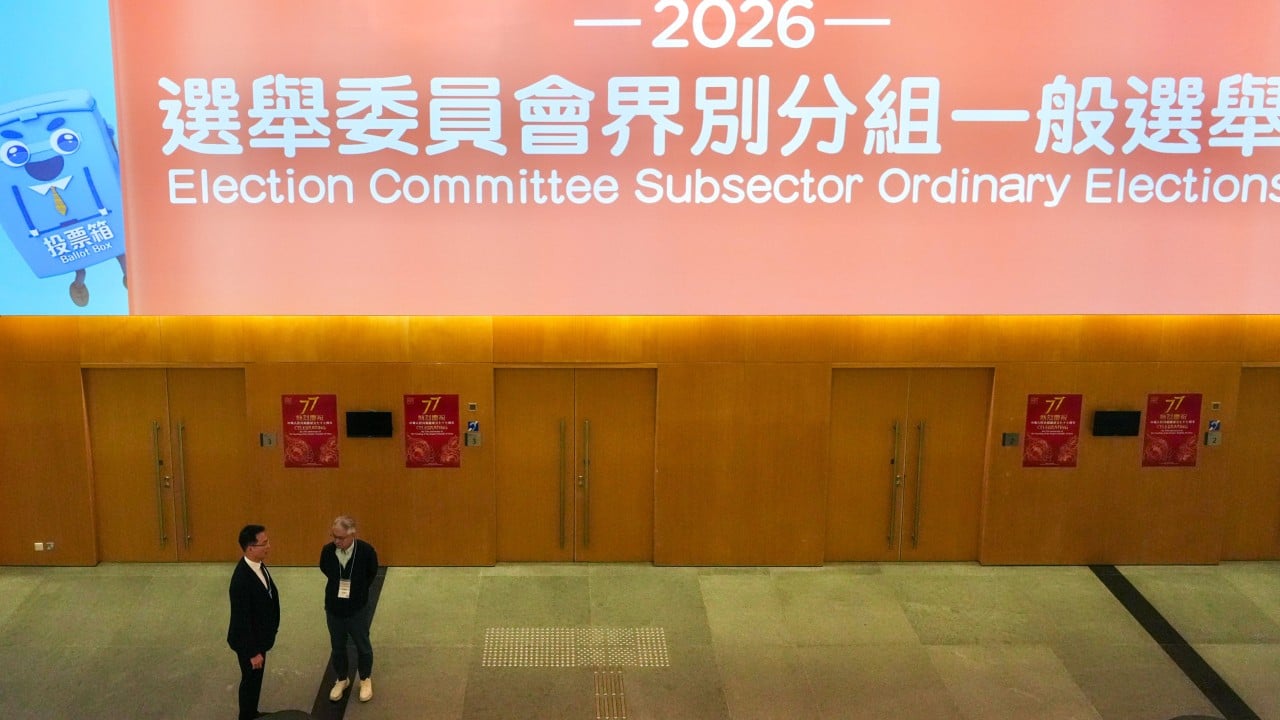
When former civil servants and political appointees file papers for the 1,500-member Election Committee ahead of the November 22, 2026 subsector polls, standard political coverage treats it like a heavyweight talent draft. The lazy consensus says ex-officials bring "institutional memory," "administrative polish," and "ready-made governance chops" to a body that picks the Chief Executive and 40 Legislative Council seats.
That reading mistakes a stage prop for the plot.
Following the 2021 electoral overhaul, the Election Committee was expanded to 1,500 members across five sectors and 40 subsectors, operating under strict Candidate Eligibility Review Committee vetting. Around 982 seats are returned through election, while hundreds more sit ex-officio or by nomination—including NPC deputies, CPPCC members, and LegCo lawmakers. In a system where veto power, nominations, and vetting sit elsewhere, a seat on the Election Committee is not an executive lever. It is a voting card in a tightly curated room.
The Lazy Consensus About Ex-Officials
Read enough campaign coverage and you will hear the same two clichés repeated like gospel.
First, ex-officials supposedly know how to "get things done" inside government. Second, their presence supposedly signals rising competition or renewed energy inside the committee race.
Both claims fall apart under scrutiny.
Knowing how an administrative machine works is useful when you run a department. It is not the same thing as commanding political coalitions, reading shifting market realities, or forcing stagnant bureaucracies to move faster. In fact, career administrative habits often prize caution, precedent, and committee sign-off over speed and accountability. You do not fix sluggish execution by recycling people who spent decades inside the file-routing loop.
Nor does a wave of retired officials prove the Election Committee itself has become a battleground of rival power centers. Many subsectors run with razor-thin margins or uncontested slates, and committee members do not pass budgets or write laws on their own. Their job is to nominate and elect the Chief Executive and forty legislators—a crucial gatekeeping role, yes, but one bounded by clear structural guardrails.
A voting card inside a gated room feels important right up until you realize who wrote the guest list and set the agenda.
Search Intent Redefined: You Are Asking the Wrong Question
Most readers searching about ex-officials entering the Election Committee race ask a surface question: Does this mean a stronger crop of leaders is stepping up to run Hong Kong?
Wrong question.
The real question is: Why are former officials fighting for a seat on an electoral college when their real value—if they have any—depends on execution outside it?
Let us test the logic with a quick thought experiment. Imagine a scenario where a retired permanent secretary wins an Election Committee seat in a business or professional subsector. They attend meetings, cast ballots for Chief Executive candidates and LegCo contenders, and lend their name to subsector discussions. Did that seat give them direct authority to cut red tape in housing, unstick cross-border logistics, or fix a sluggish retail sector? No. Influence from a committee seat is indirect at best.
People also ask whether former officials have an unfair edge over businesspeople, professionals, and community figures in these polls. Usually, the answer is more nuanced than pundits admit:
- Name recognition helps in niche subsectors, where corporate and individual electors already follow policy circles closely.
- Past rank does not automatically translate into grassroots or industry pull, especially in subsectors packed with trade associations, district bodies, and sector heavyweights.
- Vetting and alignment rules apply to everyone, meaning a former government badge is a credential, not a golden ticket or a policy mandate.
Battle Scars and Real Mechanics
I have watched organizations, political campaigns, and corporate boards blow millions chasing pedigree instead of operating leverage. Time and again, teams hire the most recognizable former insiders thinking insiders automatically unlock doors. Six months later, they discover the insider knows yesterday's playbook—and has no authority over today's bottlenecks.
Precise definitions matter here. An Election Committee member is a selector within a 1,500-strong body whose primary statutory functions center on choosing the Chief Executive and returning 40 Legislative Council members, alongside nomination thresholds. A former official—whether a principal official, administrative officer, or directorate retiree—is someone who previously operated inside executive or civil service hierarchies. Confusing a selector role with executive power is where commentary goes off the rails.
Political scientists and institutional analysts—from Hong Kong public administration scholars like Anthony Cheung to comparative electoral observers—have long noted a basic tension in executive-led systems: administrative stability and political responsiveness are not twins. High-ranking officials are trained to manage risk and maintain order. Political leadership requires making hard trade-offs when data is messy and stakeholders clash.
Where My Contrarian Take Can Backfire
Being contrarian is easy when you are throwing stones from the sidelines. Being honest means admitting where this argument has teeth—and where it can trip you up.
Dismissing every former official as useless is just as lazy as praising all of them. A seasoned former official who actually understands regulatory friction, fiscal constraints, or cross-department gridlock can spot bad policy proposals faster than a newcomer reading briefing notes for the first time. During Chief Executive and LegCo selection cycles, insider familiarity with how ministries behave can help selectors judge whether a candidate's promises are realistic or pure wishful thinking.
There is also a timing risk in underestimating symbolic signals. Even when a committee seat carries limited standalone power, who seeks it—and which subsectors draw contested slates—can reveal where ambitious players think future networking, visibility, or influence will cluster over the next five-year term.
What Actually Works Instead of Chasing Pedigree
If you are a business leader, voter, policy watcher, or candidate trying to make sense of the race—or actually move the needle in Hong Kong's economy and governance—stop obsessing over former titles.
- Judge candidates by problem-solving scar tissue, not past ranks. Ask what specific bottleneck a candidate actually untangled when they held power—or in the private sector—rather than how many years they spent on government payrolls.
- Track subsector incentives, not just headline names. Each of the 40 subsectors has its own elector base, nomination rules, and economic blind spots. Watch which industries are overrepresented and which real-world workers or smaller firms are left out.
- Follow execution after the vote, not announcements before it. Selecting leaders is only step one. Real impact shows up in licensing speed, capital formation, talent retention, and measurable public outcomes once the new term begins on February 1, 2027.
Retired officials on the Election Committee are not a rescue squad. They are a mirror reflecting how the system already works.