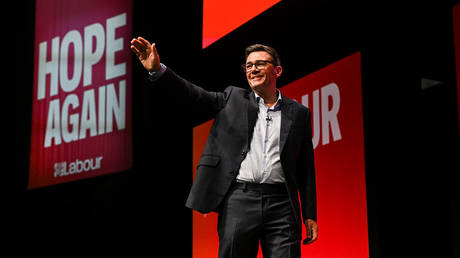
The lazy consensus in modern British politics is comforting, tidy, and entirely suicidal. Westminster loves a neat narrative, and the current darling of that narrative is that Andy Burnham or any subsequent administration can simply roll back the clock, sign a few glossy papers in Brussels, and magic up a GDP boost by undoing Brexit. The argument goes that because the initial departure caused frictions, a strategic reverse gear will fix structural stagnation, rescue public services, and restore the nation to its rightful place as an unbothered European powerhouse.
It is a fantasy. Reversing Brexit, whether through full re-accession or creeping integration into the single market and customs union, will not cure Britain. It will finish the job of deindustrialisation.
To understand why this conventional wisdom is fatally flawed, you have to look past the emotional theatre of European flags and examine the cold mechanics of political economy. I have watched successive governments blow billions on administrative rearrangements while ignoring the rot in domestic capital formation. The argument for undoing Brexit rests on a category error: it mistakes a symptom for a disease.
Britain's economic malaise did not begin in 2016. Its roots stretch back decades, anchored by a bloated financial sector that hoards capital in London property bubbles rather than deploying it into productive regional enterprise. Since the 2008 banking crash, regional productivity has stagnated because investment dried up. Blaming this entirely on trade friction with the continent is a convenient political shield for leaders who lack the stomach to restructure a domestic economy hooked on cheap imported labor and financial speculation.
Imagine a scenario where Westminster bows to pressure, caves on EU red lines, and re-enters the single market. What happens to the mid-sized manufacturing base in the Midlands or the agricultural sectors that have spent years adapting to post-Brexit subsidy models? They would face an immediate, unbuffered structural shock. Uncompetitive regional economies pinned against open-borders competition without the institutional armor to protect local industries would see capital flee even faster.
Furthermore, let us talk about democratic reality and rule-taking versus rule-making. Re-entering the single market without full political membership means accepting regulations forged in Frankfurt and Paris while having precisely zero say in their drafting. Financial services form the bedrock of UK tax revenues, yet under a truncated single-market arrangement, continental competitors would write the regulatory book to strangle London's global edge. To call this "taking back control" is an Orwellian insult. It is absolute subjugation without representation.
The real challenge facing the UK is not trade compliance with the EU; it is structural neglect. If political capital is spent on litigating a decade-old constitutional war, nothing will be done about the things that actually matter: collapsing public health infrastructure, a catastrophic housing shortage, and an investment strike by domestic corporations. Re-joining or softening the edges of Brexit offers a placebo effect. It gives elites a sense of moral and cultural alignment while the physical infrastructure of the country continues to rust.
Stop pretending that a diplomatic handshake in Brussels is a substitute for an industrial policy. If Britain wants to grow, it has to stop looking across the Channel for a rescue package and start rebuilding its own productive capacity from the ground up.
Everything you think you know about fixing the post-Brexit economy is wrong. The illusion of a quick return to the status quo ante is a distraction designed to protect a failed economic model. Tear up the fantasy of the quick fix.