The sound arrived before the water did. It was not the gentle murmur of a swollen stream, nor the familiar rush of a seasonal monsoon. It was a low, grinding growl, the unmistakable noise of the earth unzipping itself. Tons of slate, mud, and water, heavy with the weight of stripped forests and relentless rain, raced down the Himalayan foothills.
Mud does not knock. It consumes.
In the valleys of Nepal, monsoon season is a quiet terror written into the calendar. Every year, the skies open, the clouds bruise purple over the peaks, and the rivers swell into brown beasts. Families living near the banks know the rhythm. You watch the water line. You pack a single bag. You pray to whatever gods you keep that this year will not be the one.
For many, this year was the one.
Concrete buildings, hastily thrown together with cheap cement and unreinforced brick, crumpled like cardboard under the assault. Entire storefronts vanished into the grey froth. Vehicles were tossed like children's toys, swept downstream toward an indifferent horizon. The sheer kinetic violence of flash floods leaves no room for negotiation. When the volume of moving earth exceeds the capacity of the human footprint, nature takes back its territory with absolute finality.
Yet, amid the wreckage of twisted corrugated iron and pulverized masonry, something defied the physics of the disaster.
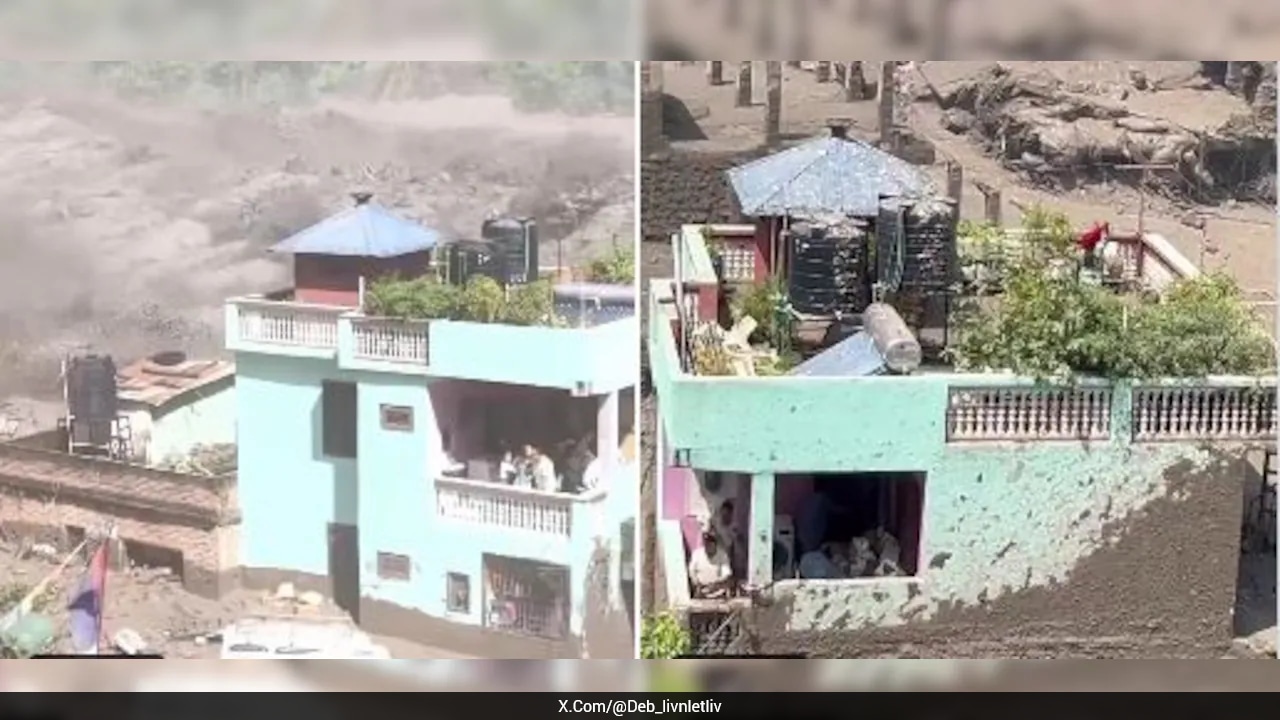
Standing almost entirely alone in a sea of brown ruin was a single house. The raging torrent surged against its walls, split around its foundation, and swept past, leaving the structure bruised but defiantly upright. While neighbors lost everything, this green-painted home—built with alternative methods, raised foundations, and a deliberate eye toward the resilience of local ecology—weathered the surge.
It looked like an anomaly. It was actually a blueprint.
To understand why that green house survived while its neighbors dissolved, we have to look past the dramatic footage and examine the invisible choices made long before the clouds gathered. We have to reckon with how we build, where we build, and what we choose to ignore until the water rises to our windowsills.
Most modern construction in rapidly developing regions follows a tragic script. Concrete and rebar are imported, expensive, and frequently substandard. Contractors rush to meet housing demands, skipping crucial soil compaction tests and ignoring traditional indigenous architecture that spent centuries adapting to the local geography. We traded the wisdom of stone-and-timber joinery for the false security of poorly mixed concrete.
Concrete feels heavy. It feels permanent. Until the water gets behind it.
Water is a fluid architect. It finds the micro-fissures in a foundation. It exerts hydrostatic pressure against rigid walls until they buckle from the inside out. Once the first wall goes, the entire structural integrity collapses, turning a home into a lethal blender of debris.
The green house survived because it was designed to argue with the river, not fight it.
Consider the mechanics of survival. Raised on an elevated plinth that allowed floodwaters to pass underneath rather than smashing directly into living spaces, the house respected the hydraulic energy of the flash flood. Its walls used flexible, reinforced framing that could absorb the kinetic shock of floating debris without shattering. It was a structure built with an understanding of velocity and vector physics, wrapped in a coat of green paint that now feels almost ironic, given its deep ecological alignment.
We like to think of natural disasters as equal-opportunity destroyers. They are not. They are remarkably efficient auditors of human error. They test our infrastructure, our zoning laws, our economic disparities, and our collective arrogance.
When a flash flood hits a hillside stripped bare by illegal logging and unmanaged road expansion, the disaster is no longer purely natural. It is manufactured. Every tree pulled from the upper slopes is a severed anchor. Every poorly engineered retaining wall is a delayed fuse. By the time the water reaches the valley floor, it carries the accumulated momentum of our ecological negligence.
The people living in these valleys are not statistics. They are farmers, shopkeepers, mechanics, and children who dream of exams and soccer matches. When their homes are swept away, they lose more than property. They lose generations of accumulated stability. A single night of rain can erase thirty years of labor, pushing families back into a cycle of generational poverty from which escape is nearly impossible.
This is why the image of the surviving green house matters so much.
It shifts the conversation from passive victimhood to active resilience. It proves that we do not have to helplessly watch our communities wash away every time the monsoon pushes past its boundaries. Better building codes, enforced zoning away from high-risk active channels, bio-engineering using deep-rooted native vegetation on slopes, and low-cost structural retrofitting can mean the difference between a ruined life and a shaken morning.
We already possess the knowledge. The ancient terraced farming systems of the region were designed to slow water down, step by step, diffusing its destructive energy before it reached the settlements below. When we abandoned those ancient water-management traditions in favor of rapid, uncalculated expansion, we traded safety for speed.
The rain will return. The mountains will continue to weather and shift. That is the immutable nature of living in the roof of the world.
The variable is us.
We can continue to build brittle, fragile boxes in the paths of ancient riverbeds and express shock when the water claims them. Or we can look at the battered, green-painted survivor standing tall in the mud, and begin the hard, necessary work of redesigning our relationship with the earth.
The river is patient. It will test our foundations again. Next time, we need to be ready for the answer.