Rory McIlroy didn't come to Augusta National this week to give a press conference. For a decade, the narrative around Rory at the Masters has been a heavy, suffocating blanket of "when" rather than "if." We've watched him talk himself into corners, dissecting his swing, his psyche, and his soul in front of a microphone. But the version of McIlroy we're seeing right now, sitting at the top of the leaderboard after the opening rounds, looks different. He's quiet. He’s efficient. He’s finally letting his golf do the heavy lifting.
The noise leading up to this tournament was deafening even by Rory standards. He went to see Butch Harmon. He played a ridiculous amount of golf in the weeks prior to sharpen his competitive edge. He arrived at Augusta later than usual, skipping the early week circus. Most importantly, he stopped trying to win the Masters on Tuesday afternoon. If you liked this piece, you might want to look at: this related article.
Why the low key buildup changed everything for Rory
In previous years, McIlroy’s pre-tournament schedule looked like a presidential campaign. He’d be out there for hours, grinding on the range, answering the same questions about the career Grand Slam, and essentially burning mental energy before a single meaningful shot was hit. This time, he treated it like a business trip.
The results are showing in the scorecard. We aren't seeing the wild fluctuations in focus that plagued his recent runs. Usually, Rory has that one "disaster hole" on Thursday or Friday that puts him behind the 8-ball, forcing him to play a heroic, desperate version of golf just to make the cut or sniff the top ten. Not this time. He’s playing boring golf, and at Augusta, boring golf is how you win green jackets. For another angle on this development, refer to the latest coverage from Bleacher Report.
He hit fairways. He lagged putts. He took his pars on the difficult holes and didn't chase pins when the wind gusted. It's the kind of discipline that suggests he’s finally accepted that the course cannot be conquered by force of will alone. You have to let Augusta give you the birdies, not try to rip them out of the pine straw.
The Butch Harmon factor and the technical shift
You can't ignore the trip to Vegas. When Rory went to see Butch Harmon, it wasn't because he forgot how to swing a club. It was about finding a "go-to" shot under pressure. Harmon has a history of simplifying the greats—Tiger, Phil, DJ. He strips away the technical jargon that often clutters a pro's mind.
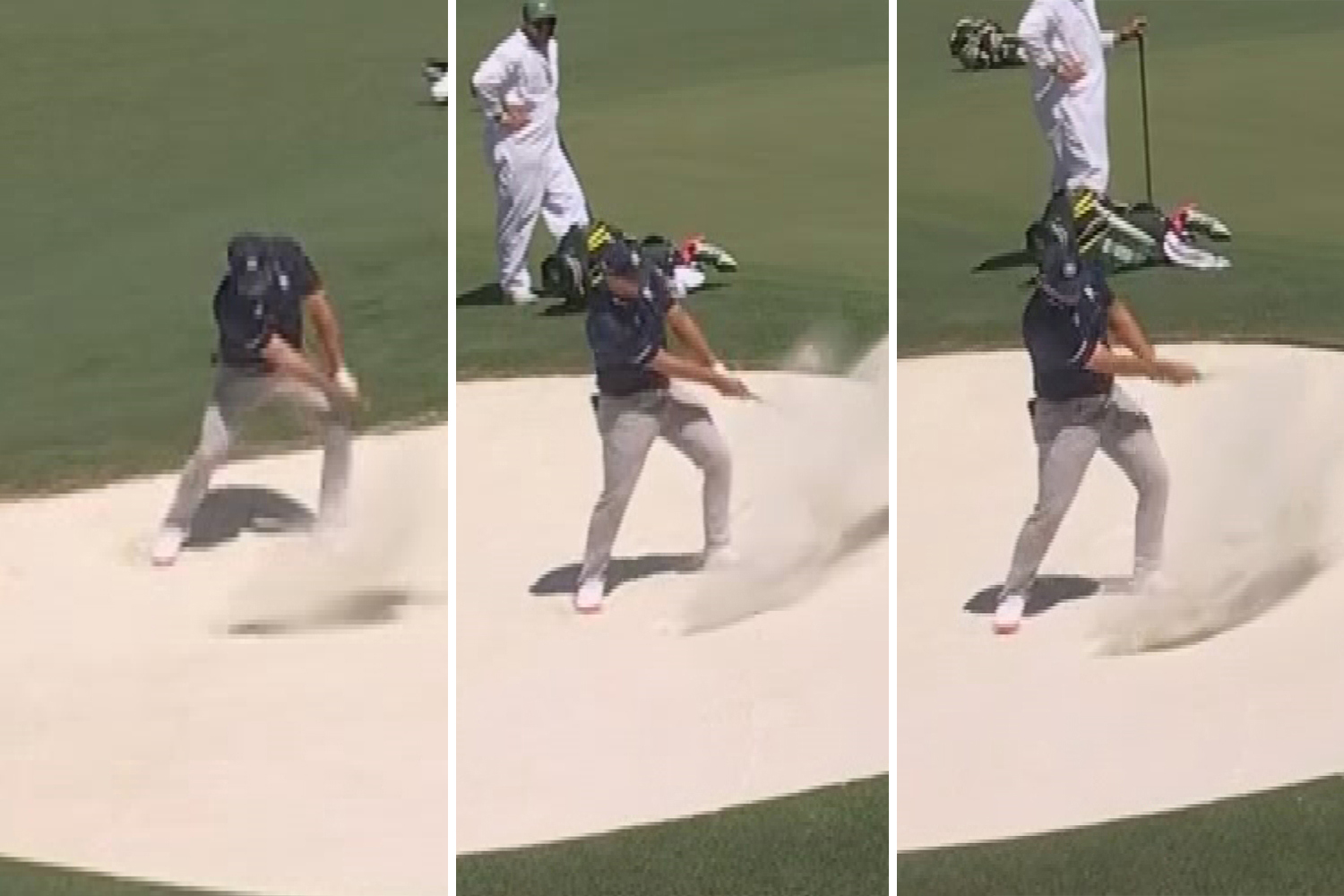
McIlroy's iron play has been noticeably more controlled. He’s not over-compressing the ball or trying to hit the "perfect" towering draw every time. He’s hitting functional, repeatable shots. During the second round, when the wind started swerving through the trees at Amen Corner, Rory didn't flinch. He played for the fat part of the green, trusted his pace, and moved on.
It’s a stark contrast to the Rory of 2011 or even 2023. There’s a certain maturity in his ball flight now. It’s less about showing off the immense talent and more about managing the misses. Every golfer at this level has a great "good" shot. The Masters is won by the player with the best "bad" shot. Right now, Rory’s misses are finishing in spots where he can still save par.
Dealing with the ghost of the Grand Slam
Every time Rory tees it up at the Masters, he’s playing against two fields. He’s playing the other golfers, and he’s playing the history of the game. Only five men have ever completed the career Grand Slam in the Masters era: Gene Sarazen, Ben Hogan, Gary Player, Jack Nicklaus, and Tiger Woods. That’s the list.
The pressure of joining that group has clearly weighed on him. You could see it in his eyes in past years—a sort of frantic searching. This year, the "busy" buildup he had in terms of playing more tournament rounds seems to have calloused his mind. He’s in "game mode" rather than "major mode."
By playing the Valero Texas Open and staying active, he kept the rhythm of a normal work week. He didn't let Augusta become a mythical beast in his head. He treated the first tee like it was just another start. It’s a psychological trick, sure, but it’s working. He’s not overthinking the gravity of the situation because he hasn't given himself time to sit in a hotel room and stare at the wall.
The leaderboard reality and the road ahead
Being a co-leader is a great start, but we’ve seen this movie before. The difference this time is the cast of characters around him. The leaderboard is packed with elite ball-strikers and gritty grinders. To stay there, Rory has to maintain this newfound silence.
The temptation on Saturday and Sunday at Augusta is to start "looking" for the lead. You hear the roars from the other side of the property, you see the movement on the manual scoreboards, and you want to join the fun. Rory’s biggest challenge won't be his swing; it’ll be his patience.
He needs to keep the blinkers on. If he starts engaging with the crowd or the media’s "destiny" narrative, the wheels could come off. But if he stays in this bubble—the one Harmon helped him build and his recent schedule helped him maintain—he’s the favorite.
What you should watch for in the final rounds
Keep an eye on his body language after a bogey. In the past, a dropped shot would lead to a visible slump of the shoulders and a frantic charge on the next hole to "get it back." This week, he’s been walking with a steady, almost rhythmic pace regardless of the score.
Watch his club selection on the par fives. If he’s taking the conservative route to give himself a flat wedge in, he’s in control. If he starts taking high-risk lines over the water when he doesn't need to, the old Rory is back.
The blueprint is right there in front of him. He doesn't need to be the best player to ever walk the grounds of Augusta this weekend. He just needs to be the most disciplined version of himself. If he can do that, the green jacket won't be a dream anymore. It’ll just be the natural result of a job well done.
Stop looking at the highlights and start looking at the gaps between the shots. That’s where Rory is winning this tournament. He’s staying present. He’s staying quiet. And for the first time in a long time, he’s making the game look like it’s supposed to look—simple.
Get your Sunday red or green ready. This isn't about the talk anymore. It's about the seventy-two holes. Focus on his putting speed on the downhillers. If he’s dying the ball at the hole rather than charging it, his nerves are exactly where they need to be. Stick to the process and ignore the noise. That's the only way he finishes this.