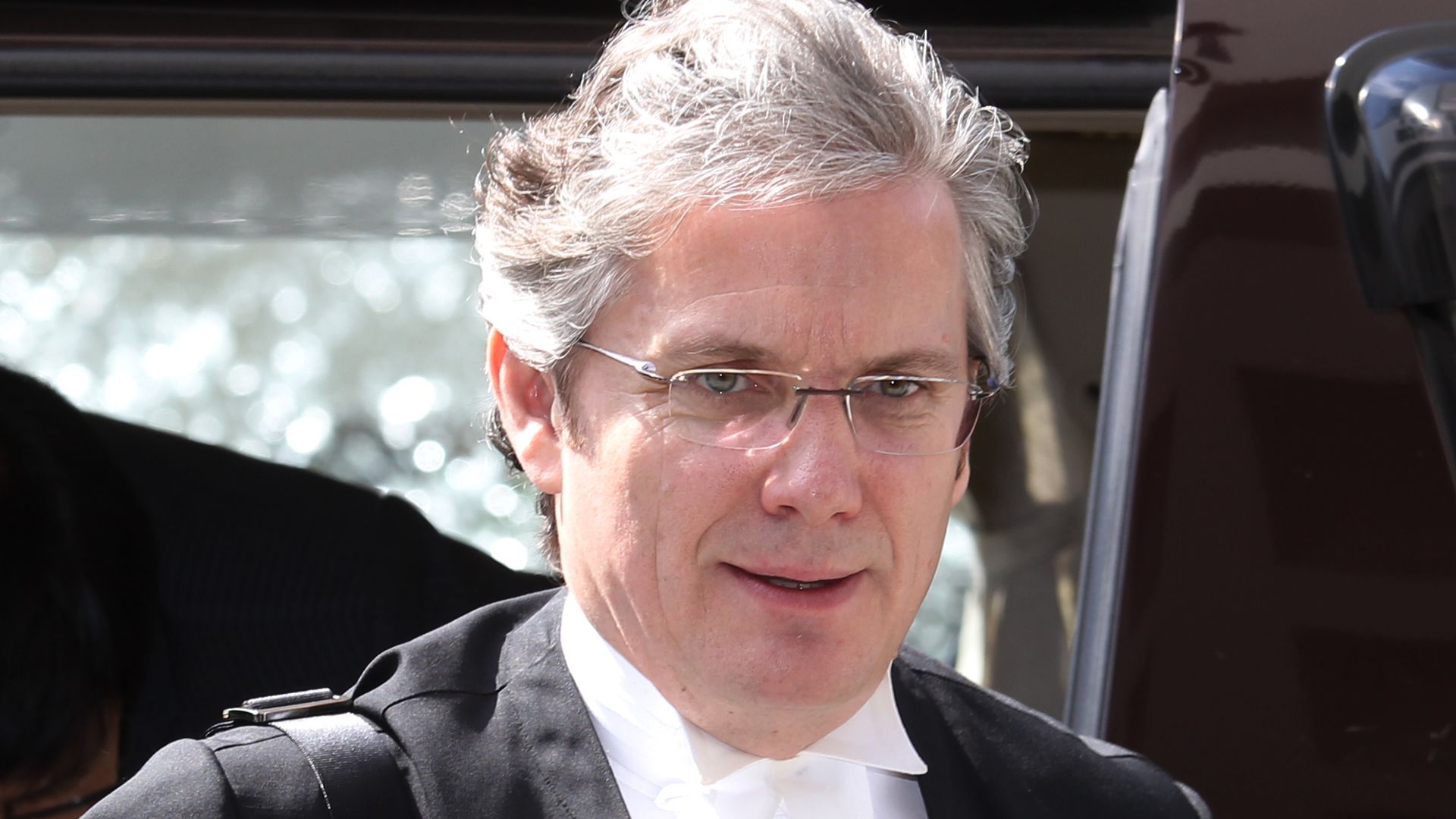
When a senior defence barrister voluntarily walks into the crosshairs of their own industry regulator immediately after a high-profile criminal trial, the legal establishment pays attention. Following the conclusion of proceedings involving comedian and actor Russell Brand, his barrister formally referred his own post-verdict conduct to the Bar Standards Board (BSB). The move was neither routine paperwork nor a PR stunt. Under the strict regulatory framework governing barristers in England and Wales, self-reporting is a mandatory legal obligation triggered when a practitioner believes their actions—or public reactions—may have breached core professional duties regarding public trust, court dignity, or the administration of justice.
High-stakes celebrity trials rarely end when the jury foreman sits down. In the intense media crush outside the courtroom doors, the line between zealous advocacy and professional misconduct grows dangerously thin. Most observers view courtroom drama through the lens of television tropes, imagining lawyers celebrating victories or sparring with reporters on the courthouse steps. The reality inside the British legal system is radically different. A barrister is not merely a hired gun for a wealthy client; they are an officer of the court bound by an unyielding code of conduct that follows them out onto the pavement, into private celebratory dinners, and across every social media feed.
The Mechanics of Self-Reporting in the British Legal System
To understand why a seasoned advocate would hand a loaded gun to their own regulator, you have to look at the BSB Handbook. Unlike corporate environments where internal mistakes are quietly swept under the rug until a whistleblower forces an inquiry, the Bar operates on a principle of preemptive transparency.
Under Core Duty 5 (CD5), a barrister must not behave in a way which is likely to diminish the trust and confidence which the public places in them or in the profession. Furthermore, Rule C65 explicitly requires barristers to report themselves promptly to the BSB if they have committed serious misconduct. Failing to self-report is often treated more harshly by disciplinary tribunals than the underlying infraction itself. If a regulator discovers an unguarded comment, an inappropriate gesture, or a breach of courtroom etiquette through a tabloid photograph or a rival lawyer's complaint, the resulting investigation focuses immediately on the barrister's lack of candor.
Self-referral is a calculated act of damage control. By initiating the process before an external complaint lands on the regulator's desk, the barrister frames the narrative, demonstrates immediate remorse or awareness, and preserves their credibility as an honest officer of the court.
What Triggers a Post-Verdict Referral
In the immediate aftermath of a major verdict, adrenaline runs high. Defence teams spend months—sometimes years—absorbing immense pressure, managing intense media scrutiny, and navigating complex evidentiary battles. When that tension snaps, mistakes happen. While the exact micro-details of every self-referral remain confidential during preliminary BSB assessments, post-verdict referrals historically cluster around three specific friction points:
- Unscripted Media Interactions: Speaking off the cuff to journalists gathered outside the court, making disparaging remarks about complainants, witnesses, or the prosecution team, or commenting on matters that remain subject to reporting restrictions.
- Demeanor and Public Celebrations: Visible displays of triumphalism, crude gestures, or celebratory behavior in or near the court precincts that undermine the solemnity of criminal proceedings—particularly in cases involving sensitive allegations.
- Social Media and Digital Footprints: Liking, sharing, or posting commentary online immediately after a verdict that compromises the appearance of professional detachment.
The public often confuses the client's right to celebrate with the lawyer's duty of restraint. Russell Brand, as a defendant, is a private citizen entitled to express relief, anger, or vindication within the bounds of defamation and contempt laws. His barrister enjoys no such freedom. Even after the gavel falls, the barrister remains tethered to the dignity of the justice system.
The Unforgiving Spotlight of Celebrity Advocacy
Representing a polarizing public figure transforms a standard criminal defence into a high-wire act without a net. Every blink, smirk, and whispered aside is captured by telephoto lenses and dissected by legal commentators within minutes.
In routine criminal trials at the Crown Court, a barrister might mutter an exasperated comment in the robing room or share a sharp joke with a solicitor in the corridor without anyone outside the building ever knowing. In a trial involving someone of Russell Brand’s notoriety, there is no off-camera space. Journalists, activists, and members of the public track the legal team from the moment they step off the morning train to the moment they leave the court building.
This hyper-visibility creates a trap. Clients under extreme public pressure often expect their legal representatives to mirror their own combative energy. Some clients push their lawyers to attack the media, issue fiery statements on the courthouse steps, or publicly vindicate their reputation beyond the narrow legal questions decided by the jury. Giving in to that pressure—even for a fraction of a second—can violate Core Duty 2 (acting in the best interests of each client) when it collides with Core Duty 1 (the overriding duty to the court in the administration of justice). When those two duties clash, the duty to the court wins every single time.
Inside the Bar Standards Board Investigation Process
Submitting a self-report does not mean a barrister automatically loses their practicing certificate or faces a public flogging. It triggers a structured, multi-stage regulatory triage designed to separate genuine ethical breaches from minor lapses in judgment.
First, the Contact and Assessment Team reviews the self-referral alongside any supporting evidence, such as video footage, transcripts, or witness accounts. They evaluate whether the behavior crosses the threshold into potential professional misconduct or whether it falls short of the high standards expected at the Bar without warranting formal sanctions.
If the assessment team identifies a potential breach, the matter moves to the Investigations and Enforcement Team. At this stage, the regulator gathers formal statements and assesses the context. Did the behavior occur inside the courtroom or outside? Was it witnessed by members of the jury, complainants, or the press? Did the barrister apologize immediately?
For minor infractions where the barrister has self-reported and shown genuine insight, the BSB often resolves the matter through administrative sanctions. These can include a formal warning, advice as to future conduct, or a modest financial penalty, frequently handled without a public disciplinary hearing. However, if the conduct is deemed severe enough to damage public confidence in the legal profession, the case is referred to an independent Disciplinary Tribunal run by the Bar Tribunals and Adjudication Service (BTAS). Those hearings are held in public, and sanctions range from heavy fines and formal reprimands to suspension or, in extreme cases, disbarment.
The Thin Line Between Zealous Defence and Professional Misconduct
A common misconception among the public is that criminal defence barristers endorse their clients' lifestyles or personal views. Under the Cab Rank Rule, a self-employed barrister is professionally obligated to accept instructions in any case within their area of competence, regardless of the identity of the client, the nature of the allegations, or the barrister's personal opinions.
This rule exists to guarantee that even the most unpopular or controversial defendants receive top-tier legal representation. Because the system forces barristers to take on intensely polarizing cases, it simultaneously enforces rigid behavioral boundaries to protect the integrity of the profession. If barristers were allowed to act as partisan cheerleaders outside the courtroom, the public would quickly stop viewing them as independent officers of the court and start seeing them as mere extensions of their clients' PR machines.
When a barrister steps over that line after a verdict, the damage radiates outward. Complainants watching the proceedings may feel mocked or intimidated. Future witnesses may hesitate to come forward if they believe the legal process tolerates post-trial triumphalism. Rival lawyers and judges take note, subtly eroding the trust required for the adversarial system to function smoothly.
Why Senior Barristers Still Get Caught Off Guard
It is tempting to assume that only junior, inexperienced advocates stumble into regulatory trouble. Experience suggests the exact opposite. Senior barristers, particularly King's Counsel (KC) and veteran trial advocates, operate in an environment of immense autonomy. They spend decades commanding courtrooms, cross-examining witnesses, and making split-second tactical decisions under extreme stress.
That confidence can occasionally breed blind spots. After a grueling trial, the sudden release of tension can lower a veteran lawyer's guard. A remark intended as dry courtroom humor can sound callous when overheard by a journalist. A gesture meant for a colleague across the street can be photographed out of context and splashed across front pages within the hour.
By self-reporting immediately, a senior barrister acknowledges that intent does not erase perception. In regulatory law, how conduct appears to an objective observer matters almost as much as what the lawyer actually meant.
What This Means for High-Profile Legal Battles Going Forward
The fallout from this self-referral serves as a stark warning across the legal profession. As high-profile criminal cases increasingly play out against a backdrop of relentless digital commentary and instant video analysis, the margin for human error has vanished.
Law firms and chambers handling sensitive, media-saturated trials now treat post-verdict logistics with the same rigor as cross-examination preparation. Exit routes from court buildings are planned in advance. Media statements, if issued at all, are drafted days ahead of time, stripped of emotional language, and delivered strictly by instructing solicitors rather than trial counsel. Barristers are routinely advised to leave the court precincts quietly, avoiding cameras, microphones, and spontaneous interactions entirely.
The reality of modern criminal practice is unforgiving. Winning the legal argument inside the courtroom is only half the battle; surviving the scrutiny on the pavement outside requires an entirely different kind of discipline, where a single unguarded moment can turn the advocate into the headline.