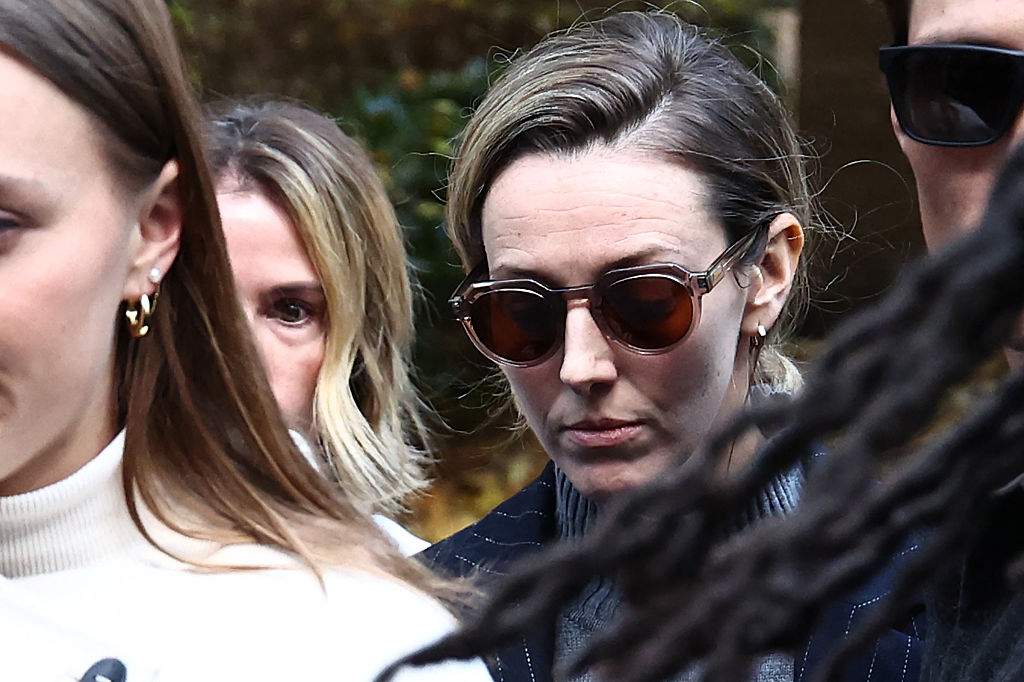
Laura Brand didn't just walk back a controversial YouTube upload—she ran straight into a wall of British prison law and ministerial fury. After reading a statement from her jailed husband on his 6.6-million-subscriber channel, Russell Brand's wife promised to follow prison rules to the letter.
If you missed how a Sunday Christian livestream turned into a political flashpoint in Westminster, here's the real story.
What Happened Behind the Video Controversy
On November 15, 2026, Laura Brand—also known professionally as Laura Gallacher—appeared on Sunday Service, a Christian series the couple launched roughly six months before his conviction. It was the first episode uploaded since Southwark Crown Court sentenced Russell Brand to 10-and-a-half years in prison on November 9, 2026, following his conviction on one count of rape and three counts of sexual assault.
During that broadcast, titled The Good Work Continues, she read aloud a statement sent from behind bars in which Brand protested his innocence.
The clip exploded online. It racked up over one million views, making it the highest-performing upload on Brand's YouTube channel since May.
It also triggered an immediate Ministry of Justice investigation and a political firestorm. By the following Sunday, November 22, Laura Brand opened her next Sunday Service broadcast with a noticeable shift in tone.
"Last week's episode drew considerable amount of attention," she told viewers, "and now that I understand the parameters set by the brilliant and professional staff at HMP Littlehey, I will absolutely honour that".
That polite pivot wasn't just PR damage control. It was survival.
How UK Prison Rules Actually Work for Inmate Messages
Most people assume free speech rules let an inmate's spouse read whatever they want on the internet. Under British law, that's completely wrong.
In England and Wales, prisoner communications are tightly governed by the Prison Rules 1999 and specific Prison Service Instructions covering media access. Rule 34 explicitly restricts inmates from communicating with anyone outside the prison except under strict conditions. When an inmate passes a message out via phone call, letter, or in-person visit knowing or intending that it will be broadcast or posted online, prison authorities treat it as a media communication.
And here's the catch that caught the Brands off guard:
- The Victim Distress Rule: Prison regulations strictly prohibit inmates from making public statements that cause—or are likely to cause—serious distress to victims or outrage to public sensibilities.
- No Proxy Loopholes: Having a spouse, friend, or lawyer read the statement on YouTube doesn't bypass the rule. HM Prison and Probation Service holds the prisoner responsible if they supplied the words for publication.
- Direct Consequences Behind Bars: Violating communication rules isn't an abstract legal problem. Internal prison adjudications can strip an inmate of privileges, restrict future phone calls and visits, and damage security categorization reviews down the line.
At HMP Littlehey—a Category C men's prison in Cambridgeshire that specifically houses men convicted of sexual offenses—staff enforce those boundaries closely. Reports indicate Laura visited the facility for roughly two hours before spending another 20 minutes speaking directly with prison staff. Whatever was said in that 20-minute conversation clearly reset her understanding of the red lines.
Westminster vs. YouTube A Standoff Over Removal
While Laura Brand adjusted her approach, the British government went after the platform hosting the video.
Justice Secretary Alex Norris publicly condemned the broadcast as "completely unacceptable," reiterating that prisoners are barred from issuing statements that distress victims. Foreign Secretary Ed Miliband went even further on Sky News, calling Brand's crimes "heinous and awful" and describing his lack of remorse from prison as "revolting". Greater Manchester Mayor Andy Burnham also called on social media companies to pull the clip down, asking why victims should be forced to hear from him.
Downing Street formally urged Google, which owns YouTube, to "do the right thing" and remove the video.
Google refused.
Why didn't YouTube just delete it? Because in the UK, ministers have no legal power to force a tech company to take down a video simply because an inmate broke prison rules. Unless the upload violates YouTube's own Community Guidelines or breaches a specific statutory ban, Downing Street can only ask. Safeguarding minister Jess Phillips even acknowledged on BBC Radio 4's Today programme that the government couldn't compel Google to act—and hinted that new legislation might be needed to close the gap.
Why Laura Brand Is Continuing the Channel Anyway
Given the heat from cabinet ministers, media scrutiny, and reported anger from her own relatives—including her sister, broadcaster Kirsty Gallacher—you might expect Laura Brand to shut the channel down entirely.
She isn't.
In her November 22 broadcast, she made it clear that Sunday Service will keep running. Her reasoning came down to two points: she genuinely enjoys hosting the series, and she refuses to step back from defending her family while her marriage is under intense public judgment.
By November 29, she described the balancing act as "walking on a tight rope" after returning from another visit to HMP Littlehey. Instead of reading defiant legal statements or protesting his conviction on camera, her updates shifted toward benign personal anecdotes—mentioning that Brand has been reading the Bible aloud and "praying to birds" inside the prison.
That shift tells you everything about how prison compliance works in practice.
What This Case Reveals About High-Profile Inmate Media
When a public figure with millions of followers goes to prison, the collision between creator-economy platforms and traditional justice systems gets messy fast. A YouTube channel doesn't pause when its founder is sentenced, and family members suddenly become de facto media operators without any training in penal law.
If you're following how this unfolds—or analyzing how UK prison media restrictions apply to high-profile cases—keep three benchmarks in mind:
- Watch the Ministry of Justice adjudication outcome. The MoJ inquiry into Brand's November 15 statement focuses on internal prison discipline rather than courtroom charges. Any formal restriction on Brand's phone or visit privileges will show up in whether future broadcasts contain zero direct quotes from him.
- Track Parliament's response to Google's refusal. Because Google declined to remove The Good Work Continues, UK lawmakers are actively debating whether existing online safety and victim protection laws need amendments to cover proxy broadcasts by convicted offenders.
- Separate family commentary from inmate dictation. Under UK rules, a prisoner's spouse remains a private citizen entitled to share personal reflections, provided she isn't acting as a megaphone for a prisoner's unapproved public statements.
Laura Brand's promise to follow prison rules wasn't a retreat from her husband—it was a recognition that in the UK prison system, crossing HMP Littlehey's boundaries costs the person on the inside far more than the person holding the microphone.