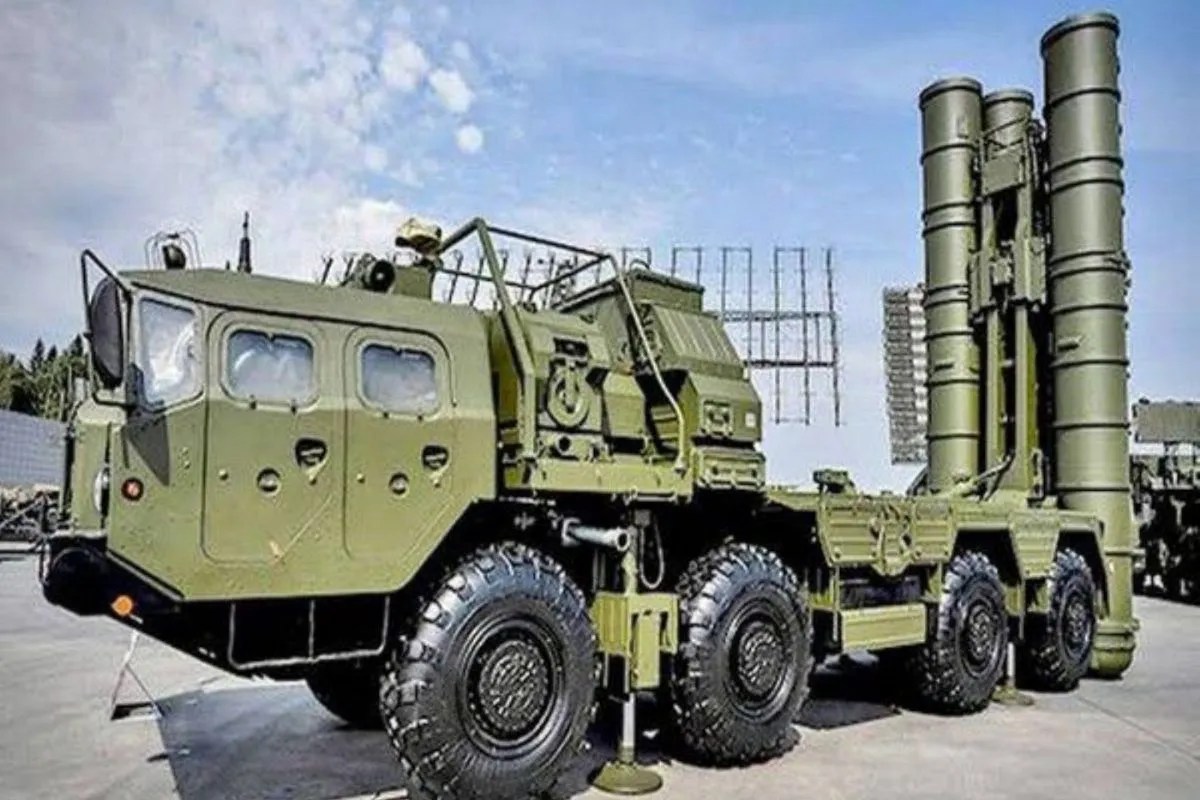
Geopolitical defense contracts usually come with endless delays, diplomatic tightropes, and quiet backtracking. When major powers lock in multi-billion-dollar military pacts, external pressures often threaten to derail them. Yet, recent statements from Moscow make one thing crystal clear: Russia intends to fulfill every remaining obligation regarding India's S-400 Triumf air defense systems.
If you've been tracking global defense logistics, you know that keeping high-tech weapon transfers on schedule is notoriously difficult, especially under intense international sanctions. Kremlin spokesperson Dmitry Peskov recently reaffirmed that the delivery timeline remains firmly on track. This commitment addresses lingering doubts and signals a deeper strategic alignment that refuses to fracture under outside pressure.
The Real Story Behind the S-400 Timeline
Back in 2018, New Delhi inked a massive $5.43 billion agreement with Moscow to acquire five S-400 squadrons. Four of those units arrived and integrated into the Indian Air Force network smoothly, proving their worth during high-stakes regional operations. But the final deliveries faced friction, leading skeptics to question whether the remaining hardware would ever cross the border.
Moscow's latest assurances put those rumors to rest. The final rollout stages are actively managed to wrap up smoothly. More importantly, this isn't just about handing over boxed equipment and walking away. Defense cooperation between the two nations has evolved far beyond a basic buyer-seller transaction. Joint manufacturing initiatives, such as the BrahMos missile program, set a blueprint for how modern military partnerships operate. Both sides are already eyeing upgrades to make those joint systems faster, smarter, and far more competitive on the global stage.
Why This Defense Partnership Survives Global Pressure
Western capitals watched these transactions closely, often expressing displeasure over major defense acquisitions from Russian firms. Yet, New Delhi maintained a fiercely independent foreign policy. Strategic autonomy isn't just a talking point for diplomats; it's a practical necessity when safeguarding national borders against multi-front threats.
Air defense architecture requires absolute reliability. The S-400 system provides long-range tracking and interception capabilities that fill critical gaps in regional airspace surveillance. When you deal with sophisticated aerial threats, you buy what works best, regardless of geopolitical noise. Russia understands that maintaining its reputation as a dependable defense exporter to traditional partners is vital, which explains why they are pushing through logistical hurdles to close out the contract.
Beyond the S-400 Deal
The conversation between Moscow and New Delhi extends well beyond surface-to-air missiles. Discussions now touch upon advanced technology transfers, including fifth-generation stealth platforms like the Su-57 fighter jet, alongside comprehensive overhauls for existing fleets like the Su-30 and structural upgrades for military logistics.
Joint production models change the economic math. Instead of bleeding foreign reserves on finished defense imports, local manufacturing integration builds domestic technical expertise. As global alliances shift and security challenges evolve, reliable execution remains the ultimate currency of trust between nations. Moscow's promise to clear the remaining S-400 pipeline demonstrates that foundational strategic partnerships can weather any storm.


