Science fiction loves a flashy space battle. Think massive lasers, exploding hulls, and pilots dodging debris fields. But real orbital warfare is looking completely different. It's quiet, hyper-calculated, and unfolding right now.
The U.S. Space Force completed an exercise that moves military space operations out of theoretical tabletop simulations and directly into low Earth orbit. Named Victus Haze, the mission pitted two commercial satellites against each other in a high-stakes orbital chase. It proves that the militarization of space isn't coming tomorrow. It happened yesterday.
The 16 Hour Scramble
Most military operations are planned months or years in advance. Space Force wanted to see what happens when you don't have that luxury. The premise of the Victus Haze mission was simple but brutal: an unknown, potentially hostile satellite appears in orbit, and the military needs to inspect it immediately.
To pull this off, Space Force relied on two commercial partners. The first phase relied on a Colorado-based startup called True Anomaly. They already had their JACKAL-0004 spacecraft floating in orbit since May, waiting like a sleeper agent.
Then came the real test. Space Force triggered a surprise 24-hour launch notice to Rocket Lab.
The response was staggering. Rocket Lab prepped, fueled, and launched its Pioneer-class Puma satellite aboard an Electron rocket from New Zealand in just 16 hours and 42 minutes. That didn't just meet the deadline. It shattered previous spaceflight readiness records. Within 37 hours of hitting orbit, the Puma satellite was fully activated and ready to hunt.
The Chased and the Hunter
Once both assets were in place, the orbital war game began. The Space Force set a strict 72-hour window for the vehicles to find each other, close the distance, and figure out what the other was doing.
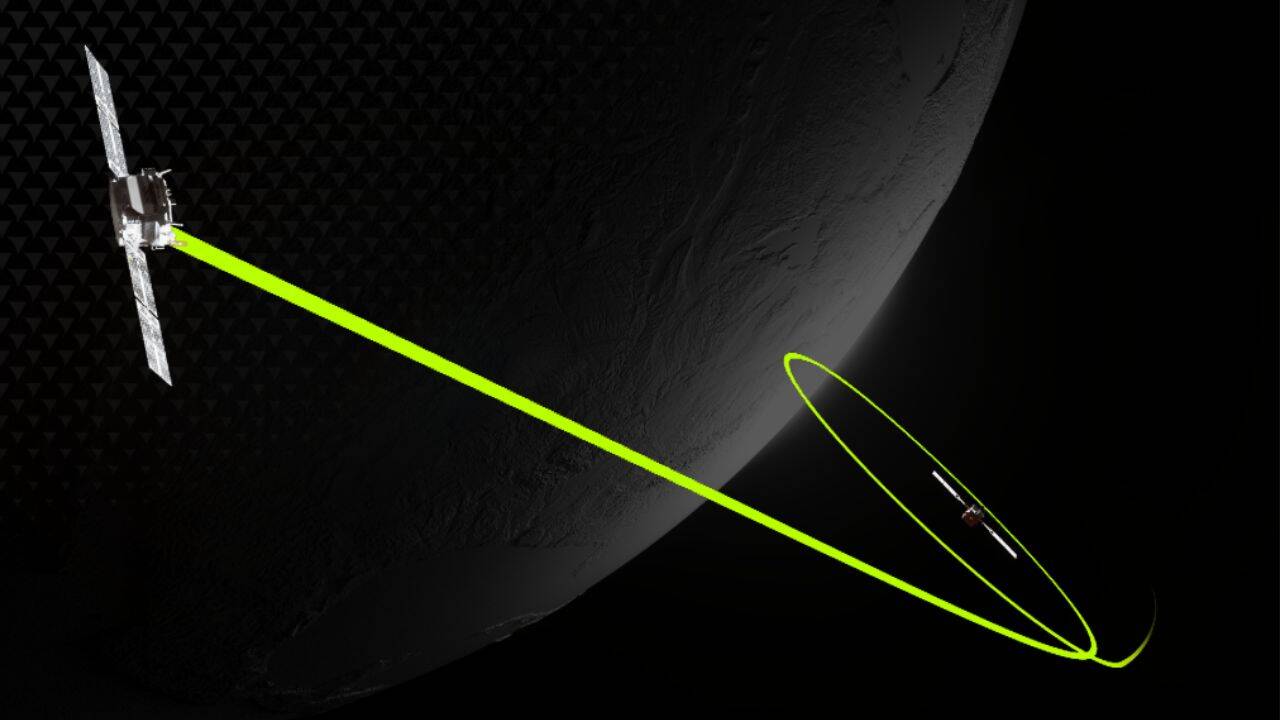
True Anomaly handed control of the Jackal satellite over to its autonomous software, called Mosaic. The software took over the flight path, treating Rocket Lab's Puma satellite as a "non-cooperative target."
Think of it as a game of cat and mouse traveling at 17,500 miles per hour. The Jackal satellite didn't fire weapons. Instead, it used precise propulsion burns to creep up on Puma, tracking it through closed-loop systems. It adjusted its pointing angles, snapped high-resolution imagery from multiple angles, and analyzed the target's capabilities in real time.
Then, the roles flipped. The satellites switched positions, allowing both companies to test how their platforms handle tracking an asset that is actively trying to evade or inspect them. The entire operation wrapped up in 61 hours—well ahead of the government's deadline.
Why Fast Launch is Just Half the Battle
For years, the Pentagon's primary obsession was responsive launch. If an adversary blew up an American satellite, how fast could we put up a replacement? That was the focus of the 2023 Victus Nox mission, where Firefly Aerospace launched a satellite on a 27-hour notice.
But Victus Haze changed the calculus. Launching fast doesn't matter if the satellite just sits there like a brick.
"Victus Haze proves that responsive launch and responsive characterisation are a single capability," True Anomaly noted following the exercise. "Acquire a new object within hours, close the geometry, and deliver the imagery."
This is about Space Domain Awareness. If a rival nation positions a satellite next to a critical U.S. military communications asset, the Space Force can't afford to spend three months tracking its orbit and analyzing its intent. They need eyes on the target within a single day.
The Era of the Non-Compliant Satellite
The military euphemism for a hostile spacecraft is a "non-compliant satellite." It sounds harmless, like a piece of equipment missing a registration sticker. In reality, it represents a massive national security threat.
Satellites today aren't just passive cameras or radio relays. Modern orbital assets are highly maneuverable. Some are equipped with robotic arms, ostensibly for "space debris removal" or "satellite servicing." But if a robotic arm can fix a friendly satellite, it can just as easily tear solar panels off an enemy asset. Other nations are experimenting with localized electronic jamming and directed energy capabilities.
By executing rendezvous and proximity operations (RPO) with commercial hardware, the Space Force is signaling to geopolitical rivals that the ultimate high ground is no longer a safe hiding place.
Your Next Steps to Track the Orbital Shift
The Pentagon isn't slowing down. Space Systems Command has already lined up at least three more tactical space missions over the next two years, including Victus Surgo and Victus Salo, to test highly maneuverable platforms built by companies like Impulse Space and academic institutions like MIT.
If you want to understand where this tech is going next, stop watching science fiction and start watching the commercial tech pipelines. Keep tabs on public satellite tracking catalogs using NORAD IDs to watch RPO maneuvers happen in real time. Pay close attention to how dual-use commercial tech—like autonomous docking software and orbital refueling shuttles—is being rapidly integrated into defense frameworks. The rules of engagement for the next major conflict are being written right now, a few hundred miles above our heads.