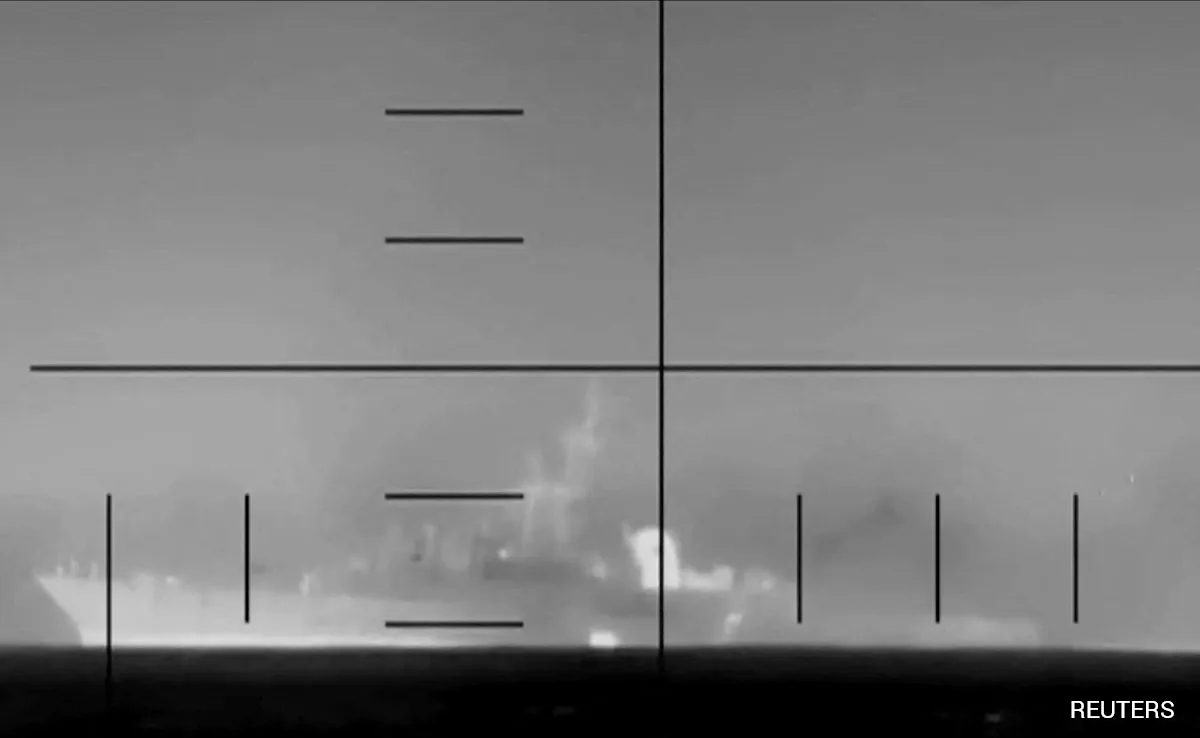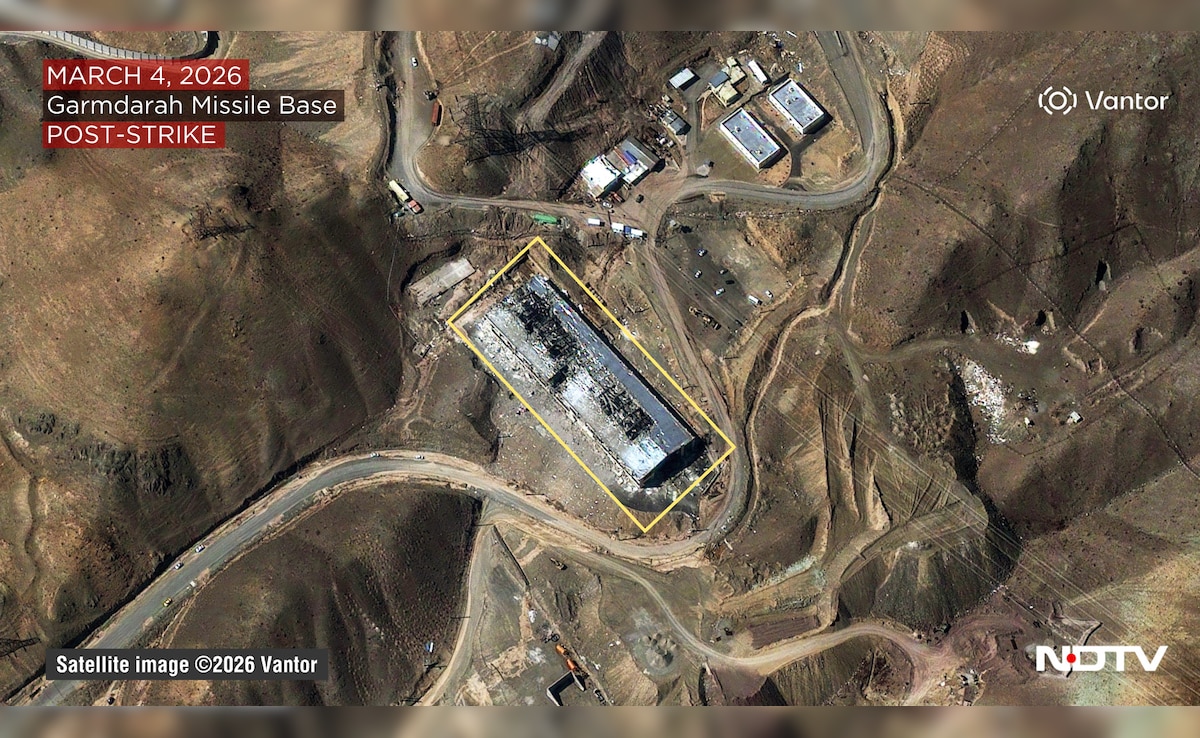
The headlines are screaming about "shattered" defenses and "devastation" visible from space. Open any mainstream news outlet today and you will see high-resolution imagery of charred tarmac and collapsed hangars at Iranian strategic sites. The consensus is lazy, comfortable, and dangerously wrong: the narrative suggests that because we can see the damage, the target is neutralized.
Military analysts sitting in air-conditioned offices in DC or London are high on "BDA"—Battle Damage Assessment. They see a hole in a roof and check a box. Mission accomplished. Meanwhile, you can read related stories here: The Cold Truth About Russias Crumbling Power Grid.
But they are looking at the wrong map.
In the world of modern electronic warfare and hardened subterranean architecture, a satellite photo is often nothing more than a picture of a distraction. If you think a few precision strikes on surface-level sheds at Parchin or Shahroud have "blinded" a regional power, you aren't paying attention to how 21st-century attrition actually works. We are witnessing the triumph of optics over tactical reality. To understand the full picture, we recommend the recent report by The Washington Post.
The Resolution Trap
We have become addicted to the bird’s-eye view. Companies like Maxar and Planet Labs provide stunning 30cm resolution imagery that allows every armchair general with a Twitter account to play investigator. It feels objective. It feels final.
It isn't. Optical imagery—the stuff you see in the news—only tells you what happened to the skin of a facility. It tells you nothing about the nervous system.
When an Israeli or Western missile hits a "missile production hall," the satellite shows us the debris. What it doesn't show is the fact that the critical CNC machines, the solid-fuel mixers, and the telemetry suites were moved into "Deep City" tunnels three weeks prior.
I have watched defense contractors burn through billions of dollars trying to "hardened" surface assets, only to realize that the only real protection is a thousand feet of granite. Iran knows this better than anyone. They have spent three decades building an underground "Land of the Giants" infrastructure.
Striking the surface entrance of a tunnel complex and claiming the facility is "shattered" is like punching someone in the shadow and claiming you broke their nose. It’s a category error.
The S-300 Myth
The media is currently obsessed with the reported destruction of S-300 anti-aircraft batteries. The narrative: "Iran is now defenseless."
This is a fundamental misunderstanding of Integrated Air Defense Systems (IADS). An S-300 is a formidable tool, but it is a 20th-century solution to a 21st-century problem. In modern warfare, the "battery" is the least important part of the equation.
The real defense isn't a launcher; it’s the distributed sensor network.
Imagine a scenario where a defender intentionally leaves an older radar active to "soak up" incoming anti-radiation missiles, while their passive detection systems—which emit no signal and cannot be seen by satellites—track the attackers via cellular reflections or acoustic signatures.
By "shattering" the visible S-300s, an attacker might actually be doing the defender a favor: clearing out the legacy hardware and forcing a pivot to mobile, low-signature, and asymmetric interception methods that are much harder to target.
Strategic Ambiguity vs. Digital Certainty
People also ask: "If the damage isn't significant, why hasn't Iran retaliated immediately?"
The assumption behind the question is flawed. It assumes that "damage" is the only metric for escalation. In reality, the "shattered" sites provide Iran with something far more valuable than a few intact warehouses: Strategic Victimhood.
In the geopolitical theater, an empty building with a hole in the roof is a propaganda goldmine. It allows a regime to downplay the tactical loss ("they only hit empty sheds") while simultaneously using the imagery to justify further clandestine development.
The "devastation" captured by satellites is often exactly what the defender wants the satellites to see. It’s the "Honeybee Strategy." A honeybee dies when it stings you, but the hive remains hidden. If you spend your high-end ballistic missiles hitting the bees, you run out of ammunition long before you find the hive.
The High Cost of Cheap Success
The West is currently trapped in a cycle of "Cheap Success."
- Launch a $2 million missile.
- Hit a $50,000 corrugated metal roof.
- Release the satellite photo to the press.
- Declare a "shattering" blow.
This is a mathematical disaster. We are trading high-end, limited-stock munitions for the appearance of victory. Meanwhile, the adversary’s core capabilities—their human capital, their design schematics, and their mobile launch platforms—remain entirely untouched.
True military effectiveness is measured by the degradation of the enemy’s will and their functional capacity. Neither of these things shows up on a Maxar feed.
When you see a photo of a charred "mixing building" for solid rocket motors, you should be asking: Where are the engineers? Where is the specialized tooling? If those haven't been neutralized, the "devastation" is a temporary construction delay, not a strategic shift.
Stop Looking at the Holes
If you want to know if a country's defenses are actually shattered, stop looking at the buildings. Look at the data.
- Is their command and control (C2) still encrypted and active?
- Are their proxy networks still receiving synchronized orders?
- Has their internal communication shifted to emergency protocols?
Satellite imagery is the junk food of intelligence. It’s satisfying, easy to consume, and lacks any real nutritional value for understanding a conflict. It provides a false sense of closure in a world of infinite, messy attrition.
The "shattered" sites in Iran are a testament to the accuracy of modern Western munitions, but they are not a testament to their effectiveness. We are winning the battle of the photos and losing the war of the shadows.
Until we stop equating "visible damage" with "strategic victory," we will continue to be surprised when the "shattered" adversary stands up, brushes off the dust, and launches a thousand drones from a hole in the ground we didn't even know existed.
The next time a "devastating" satellite photo crosses your feed, remember: you are seeing exactly what they let you see.