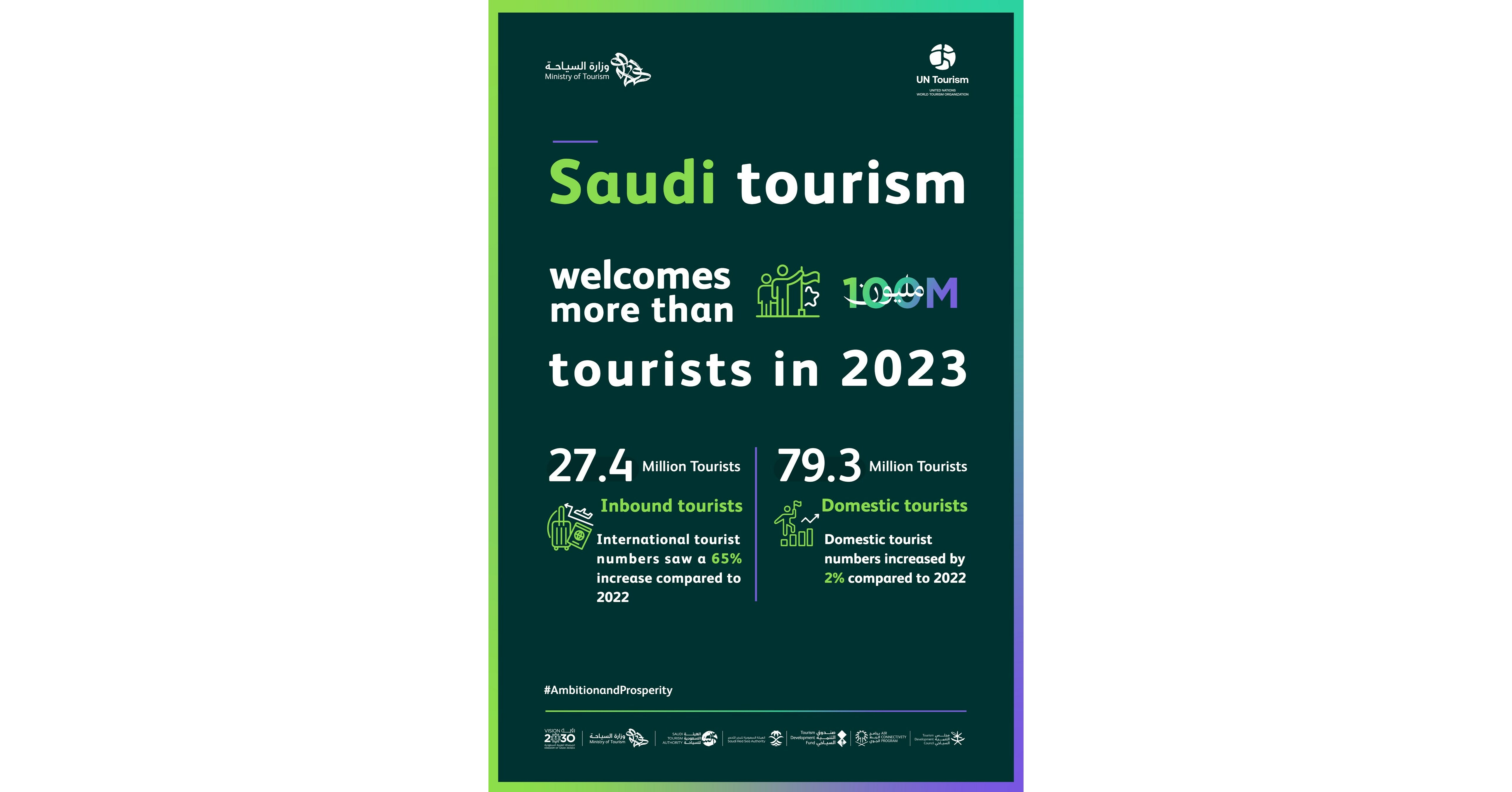
The consolidation of tourism interests between Saudi Arabia and a diverse cohort of nations—spanning Central Asia (Uzbekistan, Azerbaijan), South Asia (India, Bangladesh, Bhutan), and the Middle East—is not merely a diplomatic gesture but a calculated expansion of the Saudi Vision 2030 economic perimeter. By 2026, the success of these partnerships depends on the mitigation of friction in three critical areas: regulatory interoperability, physical infrastructure capacity, and the synchronization of visa-as-a-service (VaaS) technologies. This alignment seeks to reroute global travel spending by positioning Riyadh as the central hub of a new trans-continental corridor.
The Tri-Pillar Framework of the Saudi-Asian Partnership
The expansion of these bilateral and multilateral agreements rests on a structural logic that moves beyond the traditional "sun and sand" tourism model. Instead, it utilizes a tripartite value proposition designed to capture diverse traveler segments while hedging against regional economic volatility.
1. Religious and Cultural Anchor Points
For nations like Bangladesh, Uzbekistan, and India, the primary driver is the institutionalization of religious tourism. By streamlining the Umrah process and integrating it with broader leisure offerings, Saudi Arabia is converting a seasonal, single-purpose visit into a multi-stop itinerary. This involves the deployment of the Nusuk platform to standardize the user experience across different jurisdictions, effectively reducing the administrative overhead for partner governments.
2. High-Net-Worth Infrastructure Development
The inclusion of Azerbaijan and Bhutan signals a focus on niche, high-value segments. These nations provide blueprints for managed tourism—limiting volume while maximizing yield per visitor. Saudi Arabia is adapting these models to its "Giga-projects" like NEOM and the Red Sea Global, where the objective is to build a closed-loop ecosystem of luxury travel that functions independently of mass-market fluctuations.
3. Economic Reciprocity and Labor Mobility
A significant component of these partnerships involves the professionalization of the tourism workforce. Collaborative training programs with India and Bangladesh serve a dual purpose: they provide Saudi Arabia with the specialized labor required to staff thousands of new hotel keys while offering partner nations a structured path for remittances and skill acquisition. This creates a feedback loop where the labor source eventually becomes the consumer market as the middle class in these South Asian nations expands.
Quantifying the Friction Reduction Mechanism
The primary barrier to cross-border travel is rarely a lack of interest; it is the cost of entry, defined by time, money, and bureaucratic complexity. The Saudi strategy addresses this through a systematic reduction of "travel friction."
- Electronic Visa (e-Visa) Standardization: By extending e-visa eligibility to citizens of countries like Uzbekistan and Azerbaijan, the "time-to-travel" metric is reduced from weeks to minutes. This immediacy captures impulsive high-spend travelers who would otherwise choose established European or Southeast Asian hubs.
- Aviation Connectivity and Transit Yield: The expansion of Saudia and Riyadh Air is synchronized with new landing rights in partner capitals. The goal is to increase the load factor on mid-range routes (4–6 hours), which are the most profitable for narrow-body and mid-size wide-body aircraft.
- Currency and Payment Integration: Integrating regional payment systems reduces the "hidden tax" of currency conversion for travelers from India and Bangladesh, making the Saudi domestic economy more accessible.
The Strategic Shift from Destination to Platform
Saudi Arabia is transitioning from being a destination to functioning as a travel platform. This platform-centric approach relies on the "network effect"—each new country that joins the partnership increases the value for all existing members.
When a traveler from Bhutan can easily book a multi-city tour that includes Baku, Tashkent, and AlUla, the entire corridor benefits. This creates a defensive moat against competing regions. While Europe relies on the established Schengen Agreement, the Saudi-led bloc is building a digital-first equivalent that is more flexible and data-driven.
The second limitation of this model is the "infrastructure-demand mismatch." Saudi Arabia is currently building capacity faster than any other nation in history. However, if the partner nations cannot upgrade their own exit infrastructure—airports, passport offices, and digital literacy—the bottleneck will simply shift from the destination to the origin. This creates a systemic risk where Saudi supply exceeds the accessible global demand.
Mapping the Logic of Regional Connectivity
The partnership with India, in particular, represents a structural shift in global travel patterns. India is projected to be one of the largest outbound travel markets by 2030. By aligning with Indian tourism authorities, Saudi Arabia is positioning itself as the primary alternative to Dubai and London.
The Competitive Response Function
Competing hubs like Qatar or the UAE must now calculate their response to the Saudi-Uzbek-Azeri axis. The competitive pressure focuses on:
- Price Elasticity: How much can Saudi Arabia subsidize early-stage travel to gain market share?
- Service Differentiation: Moving from generic luxury to "hyper-local" experiential travel that leverages the unique geography of the Asir region or the historical depth of Diriyah.
- Sustainability Compliance: As Bhutan sets the gold standard for carbon-neutral tourism, Saudi Arabia is forced to integrate high-level environmental protections into its new developments to remain attractive to the modern, eco-conscious traveler.
Operational Hurdles and Strategic Limitations
Despite the aggressive expansion, several operational bottlenecks remain. The first is the "Experience Gap." While the infrastructure is being built at record speed, the development of a service culture that meets global standards requires generational shifts. The reliance on foreign labor from partner nations is a temporary fix, but the long-term goal of "Saudization" of the workforce remains a complex social engineering task.
Furthermore, the geopolitical stability of the "cross-border" element is sensitive. A partnership involving Afghanistan, for instance, introduces high levels of risk regarding security protocols and international financial compliance (AML/KYC). The integration of such nations into a seamless travel network requires a tiered security approach, which inherently adds friction—the very thing the strategy aims to eliminate.
The Logic of Investment Diversification
Saudi Arabia’s Public Investment Fund (PIF) is not just building hotels; it is investing in the entire value chain of the partner nations. By funding infrastructure projects in Uzbekistan or supporting digital initiatives in Bangladesh, the Kingdom is ensuring that its partners have the economic stability to sustain long-term travel flows.
This is "Diplomacy through CAPEX." It creates a situation where the success of the Saudi tourism sector is inextricably linked to the economic growth of its neighbors. This interdependence is a powerful stabilizing force, but it also exposes the Kingdom to the domestic policy shifts of its partners.
Strategic Execution Path
To maximize the ROI of these partnerships, the next phase of the strategy must focus on three tactical maneuvers:
- Unified Digital Identity: The development of a shared biometric profile for travelers across the partner nations. This would allow for "walk-through" borders, where security and customs are handled via pre-cleared digital credentials, effectively making the 3,000-mile distance between Dhaka and Riyadh feel like a domestic transit.
- Dynamic Pricing for Off-Peak Seasons: Utilizing AI-driven demand forecasting to offer aggressive pricing to travelers from Central Asia during the Saudi summer, targeting segments that are less sensitive to heat but highly sensitive to price.
- The Secondary City Initiative: Shifting the focus away from Riyadh and Jeddah toward secondary cities like Tabuk or Abha. This prevents over-tourism in the hubs while distributing the economic benefits of the partnerships more equitably across the Kingdom’s provinces.
The final strategic play is the decoupling of tourism from oil price cycles. By creating a self-sustaining ecosystem of cross-border travel with Asian partners, Saudi Arabia is building a non-correlated revenue stream. The objective is to reach a state where the "Tourism GDP" can withstand global energy market volatility, effectively floor-pricing the Kingdom’s economic stability for the next half-century.