You can't build a 38-story glass tower on Ocean Drive without sparking a war. For decades, the low-rise charm of Miami Beach survived because local preservation boards acted like bouncers at an exclusive club. They kept out the super-talls. They protected the vintage lines.
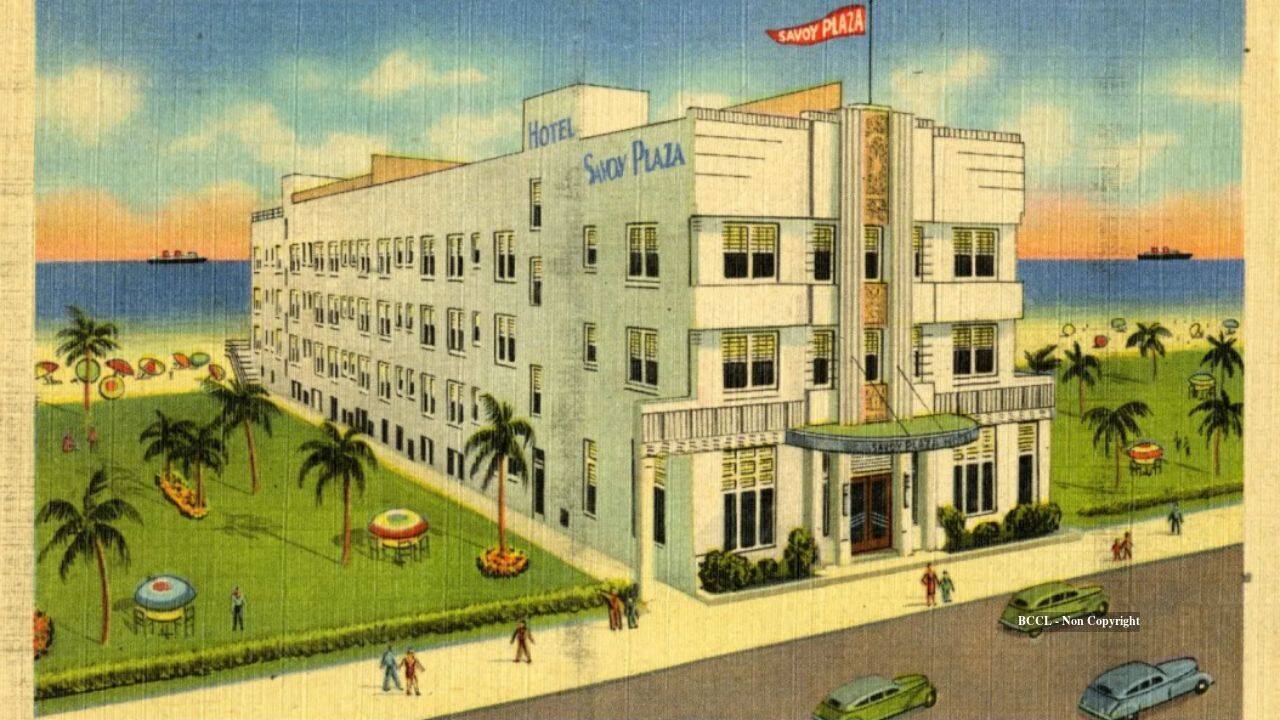
Now, state legislation is bypassing local rulebooks entirely. The historic Savoy Hotel property at 425 Ocean Drive sits right at the center of this collision between modern housing demands and historic preservation. New York-based developer Allied Partners wants to swap parts of a 1930s icon for a 440-foot tower designed by Arquitectonica.
Love it or hate it, this project reveals how the rules of coastal development just changed forever.
How State Laws Overrule Local Historic Boards
Local politicians in Miami Beach are furious, but their hands are tied. How did a developer bypass the city's notorious architectural oversight? The answer lies in two major pieces of Florida legislation: the Live Local Act and the Resiliency and Safe Structures Act.
The Live Local Act pushes for massive housing expansion by granting height and density bonuses if a project includes workforce housing components. Meanwhile, the Resiliency and Safe Structures Act allows for the demolition of coastal buildings that fall short of modern flood protection standards, stripping local governments of their veto power.
Because the Savoy property and its neighbor, the Arlington Hotel, sit outside the tightest local historic district boundaries, they missed the vital shield protecting older blocks. Developers realized they could sidestep months of grueling public hearings. They filed through administrative pathways designed to fast-track housing units.
The Anatomy of the Savoy and Arlington Redevelopment
The initial pitch introduced a towering concept featuring 150 residences, hotel rooms, and a beach club. Following pushback and fine-tuning, the developer revised the plan to trim the home count down by roughly 30 percent, settling on 105 total residences—including 42 designated affordable housing units—while keeping the soaring 440-foot height intact.
The physical reality of the site drove part of this push. Closed since suffering damage from Hurricane Irma, the property sat fenced off and heavily shored up for years.
The current design preserves a portion of the original 1937 Savoy structure as a street-front nod to the past. However, the 1941 Arlington structure is slated for total demolition. Preservationists argue that chipping away at these fragments destroys the authentic character that made South of Fifth a destination in the first place.
Why South of Fifth Real Estate is Ground Zero
The South of Fifth neighborhood—known locally as SoFi—is arguably the most expensive real estate zip code in South Florida. It mixes multimillion-dollar high-rises with remnants of vintage mid-century architecture.
When a parcel this large opens up for vertical expansion, the financial stakes skyrocket. Developers eye the air rights and density allowances hungrily. When state housing mandates clash with local neighborhood identity, SoFi becomes the testing ground. If a high-rise lands on Ocean Drive, the architectural rules for the rest of the beach corridor loosen up permanently.
City commissioners haven't gone down without a fight. Local leaders explored legal challenges against the state laws enabling these teardowns, arguing that historic designations deserve federal and local protection. Yet, legal standing against sweeping state housing acts remains an uphill battle.
What Happens When Preservation Meets the Housing Crisis
Florida faces a severe affordability crunch. State lawmakers argue that housing supply trumps architectural nostalgia every single day of the week. Workforce apartments are desperately needed so that service workers, teachers, and nurses can live closer to the coast instead of commuting across county lines.
Critics counter that destroying historic fabric alters the soul of the city. Tourists don't fly to Miami Beach to look at generic glass monoliths they can find in any major metropolitan downtown. They come for the pastel hues, the art deco curves, and the human scale of Ocean Drive.
The Savoy dispute isn't an isolated zoning board dispute. It’s a blueprint for the future of every coastal city grappling with climate resilience, housing shortages, and heritage preservation. As administrative fast-tracks gain momentum, the skyline along the Atlantic is heading straight up, and the low-rise era is running out of time.