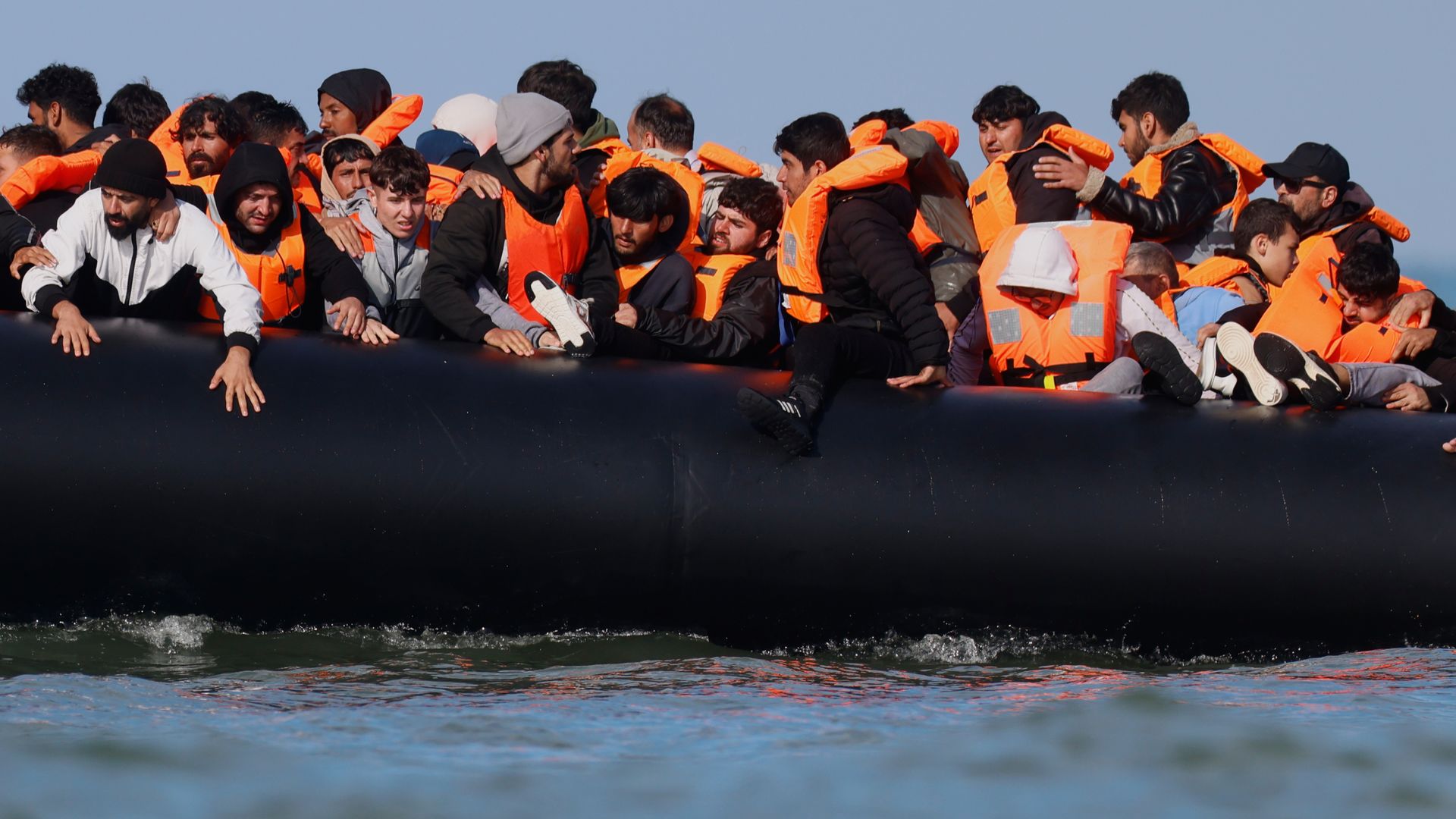
The headlines are weeping over the demise of the bilateral arrangement between London and Paris. Pundits on breakfast television are clutching their pearls, wringing their hands over what they call a breakdown in cross-Channel diplomacy. Whitehall insiders are leaking anonymous angst to anyone with a microphone, acting as though a bureaucratic paper shuffling scheme was the only thing holding Western civilization together.
They are missing the point entirely.
Scrapping the so-called one in, one out migrant deal is not a diplomatic disaster. It is an overdue act of administrative euthanasia. For years, politicians on both sides of the Channel treated this arrangement like a serious policy lever. In reality, it was a cosmetic pacifier designed to look aggressive on domestic news broadcasts while moving negligible volume across the water. It was political theatre masquerading as border management, and its death opens the door to a much colder, much more honest conversation about sovereignty, geography, and enforcement.
The Myth of the Reciprocal Fix
Let us dismantle the core delusion of the bilateral pact: the idea that swapping small numbers of asylum seekers across maritime borders creates a deterrent effect.
The baseline assumption behind the agreement was simple arithmetic. If London could send back a handful of unauthorized arrivals to France for every specific profile intercepted, criminal smuggling networks would somehow recalculate their risk models, dismantle their inflatable boat supply chains, and fold up shop.
This logic ignores basic economics and operational reality. Smugglers operating out of northern French coastal towns do not care about bureaucratic quotas. Their business model relies on high throughput, low capital expenditure, and absolute indifference to human safety. A marginal swap ratio of a few hundred individuals per year does nothing to alter a market servicing tens of thousands of desperate customers.
When you scale a broken system up, you do not get efficiency. You get a bigger bottleneck. The previous arrangement functioned primarily as a legalistic conveyor belt that consumed enormous amounts of judicial bandwidth for microscopic return. Both governments used it to signal action to angry electorates while achieving precisely zero structural friction against the illicit supply chains driving the crossings.
Follow the Incentive Structure
To understand why the arrangement collapsed, look at the perverse incentives governing both capitals.
Paris has zero financial or political incentive to lock down its northern coast comprehensively. Why spend hundreds of millions of Euros policing beaches to retain a population that wants to exit the jurisdiction entirely? From a purely cynical administrative perspective, Calais and Dunkirk act as pressure valves.
London, meanwhile, has been trapped in a cycle of performative panic. Every summer sees the same ritualistic outrage as boat numbers tick upward, followed by emergency summits, rehashed funding packages, and recycled treaty language that changes nothing on the water.
When you rely on bilateral bargains with a neighbor whose domestic priorities actively conflict with your own, you are building policy on quicksand. France wants to secure its borders, yes, but it also wants to avoid becoming a permanent holding pen for thousands of rejected claimants who have no legal right to remain in France either.
By killing the formal swap mechanism, both nations are forced to confront an uncomfortable truth. Cooperation cannot be manufactured via press releases and ceremonial handshakes when the core national interests point in opposite directions.
What Real Enforcement Looks Like
If reciprocal exchange quotas are dead, what replaces them? The answer requires discarding humanitarian romanticism and facing the brutal mechanics of border security.
First, deterrence is physical, not legalistic. You do not stop maritime crossings by negotiating administrative returns months after an arrival. You stop them by establishing absolute interdiction capability at the point of departure or immediate interception at sea with mandatory return protocols.
Second, the economic engine powering the crossings must be targeted at its root. Smugglers use encrypted communications, shell companies for engine procurement, and cash-heavy collection methods. Dismantling this infrastructure requires aggressive transnational financial intelligence and asset seizure, not immigration tribunal reforms.
Third, asylum processing must be decoupled from geographic territory. If a state cannot control who steps onto its soil, it loses control over who enters its legal system. Shifting initial screening to external processing hubs or offshore facilities—an idea frequently floated and just as frequently abandoned due to legal cowardice—is the only structural counterweight to illegal maritime entry.
Of course, critics will scream about international law, human rights obligations, and moral duty. Let us be precise about those terms. A system that enriches violent criminal syndicates while encouraging perilous midnight channel crossings on unseaworthy vessels is not humane. It is a humanitarian catastrophe masquerading as compassion.
The Cold Reality Ahead
The death of the cross-Channel deal clears away the fog of polite fiction. No longer can ministers point to a stagnant treaty as proof that they have the situation under control.
Without the crutch of bilateral quotas, governments will either have to accept open borders as a permanent domestic political reality or embrace unilateral, high-cost enforcement measures that make current policies look tame by comparison.
The era of managed pretense is over. What comes next will be harsher, more direct, and entirely devoid of diplomatic pleasantries. And for anyone genuinely interested in stopping the boats, that is long overdue.


